KI-Beratung Beta

Gutscheinbedingungen

**Gültig bis 18.11.2026 auf englischsprachige Klassiker (klassiker-32728) online auf thalia.at und in der Thalia App. Einzelne Artikel können ausgeschlossen sein. Ausgenommen sind preisgebundene Artikel & eBooks. Pro Einkauf einmal einlösbar. Click & Collect nur bei Onlinevorabzahlung möglich. Keine Barauszahlung. Nicht kombinierbar mit anderen Aktionen und Gutscheinen. Gutschein wird auf max. 500€ Bestellwert angerechnet. Nicht gültig für Geschenkkarten, Versandkosten und Services.

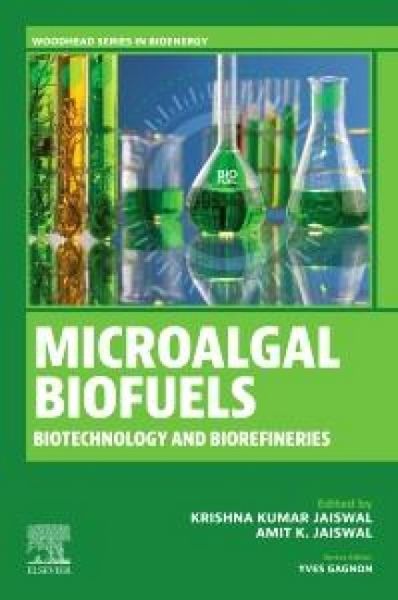
Produktbild: Microalgal Biofuels
- 13%

Microalgal Biofuels Biotechnology and Biorefineries

13% sparen

274,99 € UVP 316,70 €

inkl. gesetzl. MwSt., Versandkostenfrei


Beschreibung

Microalgal Biofuels: Biotechnology and Biorefineries advances reader understanding of microalgal biofuels as a sustainable energy solution and encourages the transition to cleaner energy by highlighting cutting-edge biotechnologies and innovative practices for reducing CO2 emissions in the biofuel production...

Beschreibung

Microalgal Biofuels: Biotechnology and Biorefineries advances reader understanding of microalgal biofuels as a sustainable energy solution and encourages the transition to cleaner energy by highlighting cutting-edge biotechnologies and innovative practices for reducing CO2 emissions in the biofuel production process. Broken into five sections, the first section, Microalgal Biofuels: Biotechnology and Biorefineries presents the scientific underpinnings of biofuel production and explores cutting-edge biotechnologies that are transforming microalgal biofuel production. Section two, "Advanced Microalgal Biofuels," focuses on the latest developments in biodiesel production from microalgae and discusses the novel production methods and standards in the industry. The third section, "Microalgal Biorefineries," provides an in-depth examination of the design, technologies, and impacts of microalgal biorefineries with emphasis on the importance of optimal biomass utilization. Section four, "Environmental and Co-Product Perspectives," explores the environmental benefits of microalgal biofuels and the potential use of co-products such as nutraceuticals, animal feed, and bioplastics that reinforce the concept of a circular bioeconomy. Finally, section five, "Future Trends and Case Studies," considers the future of microalgal biofuels and discusses market trends, commercial production challenges, and innovative case studies from the field. Researchers and professionals in the fields of bioenergy, biotechnology, renewable energy, and environmental science, as well as students studying related fields will benefit from this timely reference.

Portrait

Dr. Krishna Kumar Jaiswal obtained his Ph.D. in Green Energy Technology and postdoctoral experiences with a broad area of research in bioenergy and biofuels. He is working as an Assistant Professor at Pondicherry University, India. Dr. Krishna's research and teaching focus on bioprocess engineering, nanotechnology, and biofuels technologies in the Department of Green Energy Technology. He is actively researching and developing new technologies for bioprocessing and biofuels. He is also a subject expert for the National Testing Agency (Govt. of India), India. He has published over 65+ research papers in reputed journals and is an active life member of several renowned scientific societies, an editorial board member, and a reviewer of several reputed scientific journals. He also serves as a member of Boards of Studies, various Doctoral Committees, and other Administrative Positions for different Universities.

Dr. Amit K. Jaiswal is a lecturer at Technological University Dublin where he teaches undergraduate and postgraduate courses in food engineering, food processing technology, and industrial biotechnology in the School of Food Science and Environmental Health. He also serves as the chair of the MSc program in Sustainable Food Safety Management at TU Dublin-City Campus. Dr. Jaiswal's research focuses on converting lignocellulosic biomass into biofuels, biomaterials, and biochemicals through innovative process development and techno-economic analysis. He also studies novel food processing technologies for extracting functional and nutritional ingredients from natural resources and is involved in the development of biodegradable and compostable materials for packaging. Dr. Jaiswal serves as the editor of three books published by Elsevier and CRC Press and frequently reviews submissions for various journals in the fields of food technology and bioprocessing.

Produktdetails

Einband

Taschenbuch

Erscheinungsdatum

10.06.2026

Herausgeber Krishna Kumar Jaiswal + weitere
Verlag Elsevier Science & Technology

Produktdetails

Einband

Taschenbuch

Erscheinungsdatum

10.06.2026

Herausgeber
Verlag Elsevier Science & Technology
Seitenzahl

628

Maße (L/B/H)

23/15,4/3 cm

Gewicht

998 g

Sprache

Englisch

ISBN

978-0-443-29262-0

EU-Ansprechpartner

Elsevier B.V.
Radarweg 29
1043 NX Amsterdam
NL
productsafety@elsevier.com

Herstelleradresse

Elsevier Science & Technology
London Wall 125
EC2Y 5AS London
GB
tradeorders@elsevier.com

Noch keine Bewertungen vorhanden

Verfassen Sie die erste Bewertung zu diesem Artikel

Helfen Sie anderen Kundinnen und Kunden durch Ihre Meinung.

Kundinnen und Kunden meinen

Bewertungen (0)

Die Leseprobe wird geladen.
  • Produktbild: Microalgal Biofuels
  • Section I: Microalgal Biofuel Biotechnology
    1. Role of Systems Biology in Microalgal Biofuel Production
    2. Advancements in Microalgal Genomics for Biofuel Production
    3. Role of Proteomics in Microalgae Biofuel Production
    4. Understanding Microalgae Biofuel Production through Metabolomics
    5. Synthetic Biology and Gene Editing for Microalgal Biofuels
    6. Microbial Ecology and Its Influence on Microalgal Biomass Production
    7. Application of Nanotechnology in Improving Biofuel Yield

    Section II: Advanced Microalgal Biofuels
    8. Microalgal Biodiesel Production through Transesterification and Green Diesel Processes
    9. Purification Processes and Quality Standards for Microalgal Biodiesel
    10. Microalgae as a Source of Jet Fuel (Aviation Industry)
    11. Technological advancement in high standard biofuels production
    12. Role of Artificial Intelligence and Machine Learning in Microalgal Biofuel Production

    Section III: Microalgal Biorefineries
    13. Understanding the Concept and Design of Microalgal Biorefineries
    14. Biorefinery Technologies for Optimal Utilization of Microalgal Biomass
    15. Low Carbon Dehydration and Drying Technology of Microalgae
    16. Biorefinery approach for biofuels and high-value platform chemicals from microalgae
    17. Role of Nanocatalysts in Biorefineries for Sustainable Biofuels Production
    18. Valorisation of By-Products in a Microalgal Biorefinery
    19. Economic and Environmental Impact of Microalgal Biorefineries

    Section IV: Environmental and Co-Product Perspectives
    20. Nutraceuticals from Microalgae
    21. Animal Feed from Post-Extraction Algal Biomass
    22. Bioplastics from Microalgae
    23. Environmental Benefits of Microalgal Biofuels: CO2 Capture
    24. Environmental Benefits of Microalgal Biofuels: Wastewater Treatment
    25. Microalgae in Phytoremediation

    Section V: Future Trends and Case Studies
    26. Microalgal Biofuels in the Energy Market: Current Trends and Future Opportunities
    27. Role of new sustainability standards in biofuel export and import in different countries
    28. Challenges and Strategies for Commercial-Scale Production of Algae Biofuels
    29. Techno-Economic Analysis and Circular Bio-economy of Microalgal Biofuel Production
    30. Case study 1: Applications of Microalgal Biofuel: A New Generation Case studies
    31. Case Study 2: Innovations, Technology Advancement and Successes in Microalgal Biofuels: A New Generation Case studies
    32. Case Study 3: Lessons Learned from Leading Microalgal Biofuel Projects: A New Generation Case studies
    33. Case Study 4: Future of Microalgal Biofuels: A New Generation Case studies