Contributor contact details
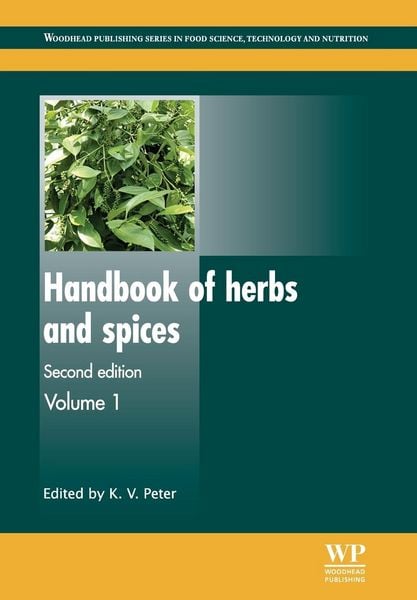
Woodhead Publishing Series in Food Science, Technology and Nutrition
Volume 1
Chapter 1: Introduction to herbs and spices: definitions, trade and applications
Abstract:
1.1 Definitions
1.2 Trade in herbs and spices and trends in their use
1.3 Herbs and spices in traditional medicine
1.4 Herbs and spices in the food and beverage industries
1.5 Herbs and spices in the cosmetics and perfumery industries
1.6 Modern research into the medicinal and nutraceutical properties of herbs and spices
1.7 Production of quality herbs and spices
1.8 The structure of this book
Appendix 1 ISO list of plant species
Appendix 2 Major spice-producing areas
Chapter 2: Quality specifications for herbs and spices
Abstract:
2.1 Introduction: defining quality
2.2 Major international quality specifications
2.2.1 Adulteration
2.2.2 Prevention
2.3 Product-specific quality parameters
2.4 World spice organisations
2.5 Quality management system (QMS)
2.5.1 Senior management commitment
2.6 Environmental safety: ISO 14001
Appendix 1 Recommended analytical methods
Chapter 3: Quality indices for spice essential oils
Abstract:
3.1 Introduction
3.2 Major chemical constituents of spice essential oils
3.3 The problem of adulteration
3.3.1 Addition of synthetic flavourants
3.4 Future trends
Chapter 4: Basil
Abstract:
4.1 Introduction: the origin of basil
4.1.1 Definition of basil
4.2 Chemical composition of the basil plant
4.3 Production of basil
4.4 Post-harvest handling and production of basil
4.5 Main uses of basil
4.6 Functional properties of basil
4.7 Quality issues and toxicity
Chapter 5: Bay leaves
Abstract:
5.1 Introduction
5.2 Cultivation, production and processing of bay leaves
5.3 Chemical composition of bay leaves
5.4 Functional properties of bay leaves
5.5 Quality issues
Chapter 6: Black pepper
Abstract:
6.1 Introduction
6.2 Production and international trade of black pepper
6.3 The black pepper plant and its varieties
6.4 Cultivation of black pepper
6.5 Chemical composition of black pepper
6.6 Quality issues
6.7 Industrial processing and value addition
6.8 Functional properties of black pepper
6.9 Use of black pepper in food
6.10 Conclusion
6.11 Source of further information
Chapter 7: Capsicum cultivars
Abstract:
7.1 Introduction
7.2 Production of capsicum cultivars
7.3 Main uses in food processing
7.4 Functional properties and toxicity
7.5 Quality issues
Chapter 8: Cardamom
Abstract:
8.1 Introduction
8.2 Classification of cardamon
8.3 Genetic improvement and varieties
8.3.1 Clonal selection
8.4 Production of cardamom: horticultural technologies and nursery management
8.5 Production of cardamom: planting and aftercare
8.6 Harvesting and post-harvest processing
8.7 Other value-added products from cardamom
8.8 Chemical structure and characteristics
8.9 Major uses of cardamom
8.10 Quality standards and grade specifications
8.11 Conclusion
Chapter 9: Chives
Abstract:
9.1 Introduction
9.2 Chemical composition and nutritional value
9.3 Cultivation and production
9.4 Varieties
Chapter 10: Cinnamon
Abstract:
10.1 Introduction
10.2 Description of cinnamon
10.3 Harvesting and production of cinnamon
10.4 Quality issues
10.5 Main uses in the food industry
10.6 Functional properties and toxicology
Chapter 11: Cloves
Abstract:
11.1 Introduction
11.2 Production and post-harvest processing
11.3 Main uses in food processing
11.4 Functional properties of cloves
11.5 Toxicology of cloves
11.6 Quality and regulatory issues
Chapter 12: Coriander
Abstract:
12.1 Introduction
12.2 Chemical composition
12.3 Cultivation of coriander
12.4 Post-harvest management and processing
12.5 Main uses of coriander
12.6 Modern research into the medicinal properties of coriander
12.7 Quality issues
Chapter 13: Cumin
Abstract:
13.1 Introduction
13.2 Production of cumin
13.3 Main uses of cumin in food processing
13.4 Quality specifications
Chapter 14: Curry leaf
Abstract:
14.1 Introduction
14.2 Cultivation and production of curry leaves
14.3 Functional properties and uses of curry leaves
14.4 Conclusion
Chapter 15: Dill
Abstract:
15.1 Introduction
15.2 Production and cultivation of dill
15.3 Chemical composition
15.4 Main uses of dill
15.5 Quality issues and standards
Chapter 16: Fenugreek
Abstract:
16.1 Introduction
16.2 Production and cultivation of fenugreek
16.3 Chemical composition
16.4 Functional properties and main uses of fenugreek
16.5 Quality issues and standards
Chapter 17: Garlic
Abstract:
17.1 Introduction
17.2 Chemical structure of garlic
17.3 Production and processing of garlic
17.4 Functional properties and toxicology
17.5 Quality issues of dehydrated garlic
Chapter 18: Ginger
Abstract:
18.1 Introduction
18.2 Products of ginger rhizomes
18.3 Main uses and functional properties of ginger
Medicinal uses
18.4 Quality specifications
Chapter 19: Marjoram
Abstract:
19.1 Introduction
19.2 Production, harvesting and post-harvest management
19.3 Marjoram essential oil
19.4 Main uses of marjoram
19.5 Functional properties
19.6 Quality issues
Chapter 20: Mint
Abstract:
20.1 Introduction
20.1.4 Chemical composition of Mentha species
20.2 Production, cultivation and harvesting
22.2.3 Climate
20.2.8 Manures and fertilizers
20.3 Production of mint essential oil and menthol crystals
20.3.1 Crystallization
20.4 Main uses of mint
20.5 Improvements in quality and the impact of biotechnology
Chapter 21: Mustard
Abstract:
21.1 Introduction
21.2 Chemical composition
21.3 Production and cultivation
21.4 Main uses of mustard
21.5 Functional properties of mustard
21.6 Quality specifications
Chapter 22: Nutmeg and mace
Abstract:
22.1 Introduction
22.2 Production and chemical structure
22.3 Main uses of nutmeg and mace
22.4 Modern research into the functional properties of nutmeg and mace
22.5 Quality issues and toxicity
Chapter 23: Onion
Abstract:
23.1 Introduction
23.2 Chemical structure and influences on flavour
23.3 Production and functional properties of onion
23.4 Quality issues
Chapter 24: Parsley
Abstract:
24.1 Introduction and description
24.2 Production and cultivation
24.3 Organic farming
24.4 Environmental management systems
24.5 Chemical composition of parsley
24.6 Main uses of parsley
24.7 Functional properties and toxicity
Chapter 25: Rosemary
Abstract:
25.1 Introduction
25.2 Production and cultivation of rosemary
25.3 Post-harvest technology and further processing
25.4 Main uses of rosemary
25.5 Toxicology and quality control
25.6 Conclusion
Chapter 26: Saffron
Abstract:
26.1 Introduction
26.2 Chemical composition
26.3 Production and distribution
26.4 Functional properties and uses of saffron
26.5 Quality issues
Chapter 27: Thyme
Abstract:
27.1 Introduction
27.2 Chemical composition of thyme
27.3 Production of thyme
27.3.3 Cultivation
27.4 Main uses in food processing
27.5 Functional properties and toxicity
27.6 Quality issues
Chapter 28: Turmeric
Abstract:
28.1 Introduction
28.2 Production of turmeric
28.3 Quality specifications
28.4 Functional properties and uses of turmeric
28.5 Future trends
Chapter 29: Vanilla
Abstract:
29.1 Introduction and description
29.2 Cultivation of vanilla
29.3 Harvesting and post-production activities
29.4 Main products and functional properties of vanilla
29.5 Quality issues and adulteration
29.6 Conservation and alternative methods for natural vanillin production
29.7 Future trends
Index