Produktbild: Current Ornithology
Band 1

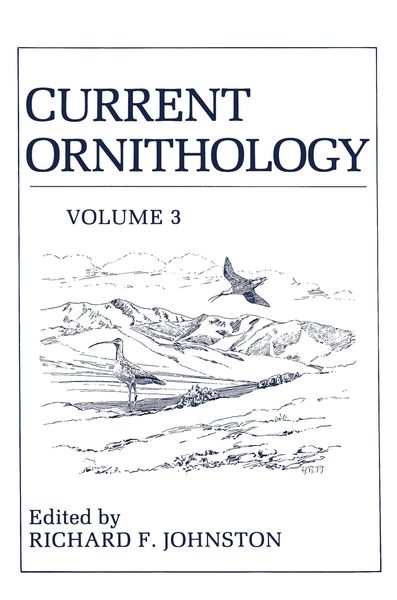
Current Ornithology Volume 3

Aus der Reihe Current Ornithology

51,99 €

inkl. gesetzl. MwSt., Versandkostenfrei


Beschreibung

Produktdetails

Einband

Taschenbuch

Erscheinungsdatum

14.05.2012

Herausgeber

Richard Johnston

Verlag

Springer Us

Seitenzahl

522

Maße (L/B/H)

22,9/15,2/3 cm

Gewicht

788 g

Auflage

Softcover reprint of the original 1st ed. 1986

Sprache

Englisch

ISBN

978-1-4615-6786-8

Beschreibung

Produktdetails

Einband

Taschenbuch

Erscheinungsdatum

14.05.2012

Herausgeber

Richard Johnston

Verlag

Springer Us

Seitenzahl

522

Maße (L/B/H)

22,9/15,2/3 cm

Gewicht

788 g

Auflage

Softcover reprint of the original 1st ed. 1986

Sprache

Englisch

ISBN

978-1-4615-6786-8

Herstelleradresse

Springer-Verlag KG
Sachsenplatz 4-6
1201 Wien
AT

Email: GPSR Kontakt

Noch keine Bewertungen vorhanden

Verfassen Sie die erste Bewertung zu diesem Artikel

Helfen Sie anderen Kundinnen und Kunden durch Ihre Meinung.

Kundinnen und Kunden meinen

Bewertungen (0)

  • Produktbild: Current Ornithology
  • 1 The Evolution of Normal and Reverse Sexual Size Dimorphism in Shorebirds and Other Birds.- 1. Introduction.- 2. Methods.- 3. The Shorebirds.- 3.1. Charadrii.- 3.2. Scolopaci.- 4. Patterns of Size Dimorphism.- 4.1. Sexual Size Dimorphism and Foraging Behavior.- 4.2. Sexual Size Dimorphism and Latitude.- 4.3. Sexual Size Dimorphism and Mating Systems.- 4.4. Relationship between Size and Plumage Dimorphism.- 5. Theories Pertaining to the Evolution of Sexual Size Dimorphism.- 5.1. Ecological Theories.- 5.2. Reproductive Theories.- 6. A General Theory for the Evolution of Sexual Size Dimorphism.- 7. Effects of Ecological Factors on Size Dimorphism.- 7.1. Chionididae.- 7.2. Haematopodidae.- 7.3. Recurvirostridae.- 7.4. Charadriidae.- 7.5. Jacanidae.- 7.6. Scolopacidae.- 8. Sexual Size Dimorphism in Other Taxa.- 8.1. Ratites and Tinamous.- 8.2. Pelecaniformes.- 8.3. Falconiformes.- 8.4. Stercorariidae.- 8.5. Strigiformes.- 8.6. Turnicidae.- 8.7. Trochilidae.- 8.8. Other Families.- 8.9. Mammals.- 9. Future Research.- 10. Conclusions.- References.- 2 Bird Songs and Avian Systematics.- 1. Introduction.- 2. Bird Song and Species Problems.- 2.1. Songs and Sympatric Sibling Species.- 2.2. Songs and Allopatric Populations.- 2.3. Variation among Populations and Variation among Species.- 2.4. Songs and Subspecies.- 2.5. Limitations: Social and Developmental Factors.- 2.6. Song as a Test of Species Limits in Two Species Groups.- 3. Experimental Tests of Species Distinctiveness.- 3.1. Song Playback Experiments.- 3.2. Geographic Variation in Song and in Responsiveness.- 3.3. Female Responsiveness to Song.- 4. Bird Songs and the Phylogeny of Speciation.- 4.1. Character Analysis in Phylogenetic Systematics.- 4.2. Song Development, Templates, and Cultural Evolution.- 4.3. Repertoires and the Ethology of Homologies.- 4.4. Phylogenetic Analyses of Two Species Groups.- 4.5. Prospective for Other Groups.- 5. Discussion.- References.- 3 Social Dominance, Mating and Spacing Systems, Female Fecundity, and Vocal Dialects in Captive and Free-Ranging Brown-Headed Cowbirds.- 1. Introduction.- 2. Studies of Captive Cowbirds.- 2.1. An Overview of Previous Captivity Studies.- 2.2. Conditions in Captivity and Methods.- 2.3. Singing and Dominance Behavior.- 2.4. Dominance and Male Age.- 2.5. Consortships between Males and Females.- 2.6. Female-Female Aggression and Consortships.- 3. Discussion of the Aviary Results and of Recent Field Studies on Mating and Spacing Patterns.- 3.1. Mating System.- 3.2. Why Should Cowbirds Be Monogamous?.- 3.3. Dominance, Male Age, and Pairing Success.- 3.4. Spacing Patterns.- 4. Field Studies of Phenomena That Show Little Geographic Variation.- 4.1. Diurnal Cycle in Social Behavior and the Opportunistic Use of Space.- 4.2. Numbers of Eggs Layed and Comments on Female Reproductive Strategies.- 5. Field Studies of Phenomena That Vary Geographically.- 5.1. Geographic Differences in the Relative Dominance Status, Mating Success, and Weights of Adult and Yearling Males.- 5.2. Geographic Variation in the Presence and Absence of Localized Vocal Dialects.- 6. Concluding Remarks.- References.- 4 Heterochrony, Deferred Breeding, and Avian Sociality.- 1. Introduction.- 2. Advantages of Delayed Somatic Maturation.- 3. Evidence of Paedomorphosis in the Class Aves.- 4. Heterochronic Trends in the Corvids.- 4.1. Deferred Somatic Maturity and Sociality.- 4.2. A Corvid Sampler.- 4.3. The New World Jays.- 5. Ecological and Evolutionary Significance of Avian Heterochrony.- 5.1. Subadult Plumages: Female Mimicry, Crypsis, and Neoteny.- 5.2. Ecological Correlates of Avian Paedomorphosis.- References.- 5 Avian Frugivory and Seed Dispersal in Eastern North America.- 1. Introduction.- 2. Methods.- 3. Bird-Dispersed Plants and Some of Their Characteristics.- 3.1. Phenology.- 3.2. Growth Forms.- 3.3. Fruit Size and Nutritional Value.- 4. Avian Frugivores and Some of Their Characteristics.- 4.1. Phenology.- 4.2. Body Size and Morphology.- 5. Effects of Dispersal and Frugivory on Plant Populations.- 5.1. Population Dynamics.- 5.2. Competition.- 5.3. Habitat Breadth.- 6. Effects of Frugivory on Bird Populations.- 6.1. Population Dynamics.- 6.2. Competition.- 6.3. Habitat Breadth.- 7. Plant Community Comparisons.- 7.1. Gebitat Comparisons.- 8. Bird Community Comparisons.- 8.1. Geographic Comparisons.- 8.2. Habitat Comparisons.- 8.3. Seasonal Comparisons.- 8.4. Comparison among Frugivore “Classes”.- 8.5. Relationship between Bird Community and Plant Community.- 9. Summary.- References.- 6 Competition in Migrant Birds in the Nonbreeding Season.- 1. Introduction.- 1.1. Competition: Operational Definition.- 1.2. The Role of Competition in Theories about Migratory Bird Distribution.- 2. Intraspecific Competition.- 2.1. Dominance.- 2.2. Territoriality.- 2.3. Age-and Sex-Related Geographic Separation.- 2.4. Latitudinal Separation of and Leap-Frog Migration between Geographic Races and Closely Related Species.- 3. Interspecific Competition.- 3.1. Dominance and Interspecific Territoriality.- 3.2. Feeding Specialization.- 3.3. Testing Predictions of Community Theory.- 3.4. Interspecific Geographic Separation.- 4. Conclusions.- References.- 7 Avian Polyandry.- 1. Introduction.- 2. Classical Polyandry.- 2.1. Jacanas.- 2.2. Spotted Sandpipers.- 2.3. Phalaropes.- 2.4. Other Species.- 3. Evolution of Classical Polyandry.- 3.1. Females Are Not as Capable as Males at Providing Uniparental Care.- 3.2. Females Are Better Able than Males to Obtain Secondary Mates.- 3.3. Ancestral Conditions Preceding Polyandry.- 4. Did Polyandry Evolve from Monogamy via a Multi-Clutch Polygamy Stage?.- 5. Cooperative Polyandry.- 5.1. Galapagos Hawk (Buteo galapagoensis).- 5.2. Harris’ Hawk (Parabuteo unicinctus).- 5.3. Dusky Moorhen (Gallinula tenebrosa).- 5.4. Tasmanian Native Hen (Tribonyx mortierii].- 5.5. Acorn Woodpecker [Melanerpes formicivorus).- 5.6. Dunnock (Prunella modularis).- 6. Theories on the Evolution of Cooperative Polyandry.- 6.1. Extended Polygyny Threshold Model.- 6.2. Ecological Saturation Model.- 6.3. Female Monopolization Model.- 6.4. Kin Selection Model.- 6.5. Future.- 7. Birds Improperly Considered Polyandrous.- 7.1. Multi-Clutching Monogamy.- 7.2. Multi-Clutching Polygamy.- 7.3. Female Defense (Harem) Polygyny Plus Sequential Polyandry.- 8. Conclusion.- References.- 8 Selection for Adoption Versus Infanticide by Replacement “Mates” in Birds.- 1. Introduction.- 2. A Review of Adoption and Infanticide in Birds.- 2.1. Behavior of Replacing Males (Including Female Jacanas).- 2.2. Behavior of Replacing Females (Excluding Female Jacanas).- 3. A Prospective Analysis for Birds.- 3.1. Effects of Within-Season Divorce and Dispersal for Renesting.- 3.2. Effects of Divorce between Seasons and of High Courtship Costs.- 4. Alternate Hypotheses for Adoption in Birds.- 4.1. Newton’s Nest Site Limitation Hypothesis.- 4.2. Rohwer’s Additional Mate Hypothesis.- 5. Adaptive or Maladaptive? A Review of Cases.- 5.1. Indifference.- 5.2. Adoption.- 6. Infanticide in Other Contexts.- References.- 9 Pesticides and Bird Populations.- 1. Introduction.- 2. Biocidal Chemicals.- 2.1. Uses and Applications.- 2.2. Toxicology.- 3. Impacts upon Bird Populations.- 3.1. Mortality.- 3.2. Effects on Reproduction.- 3.3. Disruptions in the Food Webs.- 3.4. Habitat Modifications.- 3.5. Impacts of the Ending of DDT Use in North America.- 3.6. Endangered Species.- 4. Prospects for the Future.- References.- 10 Bird Populations as Indicators of Environmental Change.- 1. Introduction.- 1.1. Indicator Species Concept.- 1.2. The Use of Birds as Indicators.- 2. Quantity of Habitat.- 2.1. Natural Phenomena.- 2.2. Human Disturbance.- 3. Quality of Habitat.- 3.1. Natural Phenomena.- 3.2. Human Disturbance.- 4. Summary and Conclusions.- References.- 11 The Problem of Avian Extinctions.- 1. Introduction.- 2. The Magnitude of the Endangered Bird Problem.- 2.1. A Taxonomie Survey of Endangered Birds.- 2.2. An Ecological Survey of Endangered Birds.- 3. Causes of Declines in Avian Populations.- 3.1. Proximate Causes of Declines.- 3.2. Ultimate Causes of Declines.- 4. How to Deal with Declining and Endangered Birds.- 4.1. Treatment of Proximate Causes of Declines.- 4.2. Treatment of Ultimate Causes of Declines.- 5. Status of Efforts to Prevent Extinctions.- References.- Author Index.- Bird Name Index.