Gutscheinbedingungen

**Gültig bis 24.06.2026 auf tolino vision color (4016621130183, 4016621131456) online auf thalia.at, in der Thalia App und in allen Thalia Buchhandlungen in Österreich. In den Buchhandlungen nur gültig auf lagernde Ware. Pro Einkauf einmal einlösbar. Nur gültig gegen Vorlage oder im Onlineshop hinterlegter Bonuscard. Infos zur Einlösung in der Buchhandlung sind auf der Bonuscard-Vorteilspreisseite zu finden. Click & Collect nur bei Onlinevorabzahlung möglich. Keine Einlösung bei Scan & Go-Bezahlung. Keine Barauszahlung. Nicht kombinierbar mit anderen Aktionen und Gutscheinen. Nicht gültig für Geschenkkarten, Versandkosten und Services. Nur solange der Vorrat reicht.

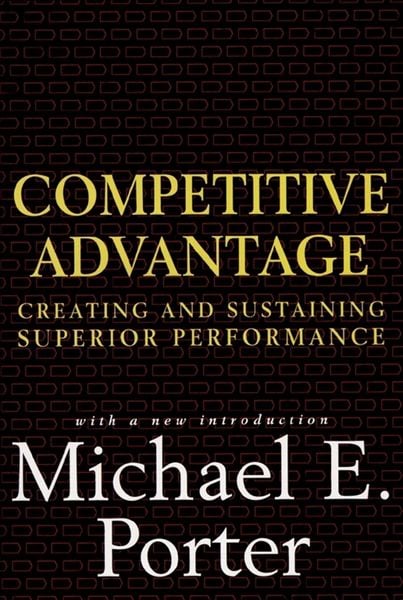
Produktbild: Competitive Advantage

Competitive Advantage Creating and Sustaining Superior Performance

1

32,53 €

inkl. gesetzl. MwSt.

Beschreibung

Produktdetails

Format

ePUB

Kopierschutz

Ja

Family Sharing

Ja

Text-to-Speech

Ja

Erscheinungsdatum

30.06.2008

Verlag

Simon + Schuster LLC

Seitenzahl

592 (Printausgabe)

Dateigröße

10753 KB

Sprache

Englisch

EAN

9781416595847

Beschreibung

Zitat

Antitrust Law & Economics Review
A superb guide for business managers but also necessary background study for judges, antitrust agency officials, and economic experts in antitrust cases.

Produktdetails

Format

ePUB

eBooks im ePUB-Format erlauben eine dynamische Anpassung des Inhalts an die jeweilige Display-Größe des Lesegeräts. Das Format eignet sich daher besonders für das Lesen auf mobilen Geräten, wie z.B. Ihrem tolino, Tablets oder Smartphones.

Kopierschutz

Ja

Zum Lesen dieses eBooks auf Geräten der tolino Familie sowie auf sonstigen eReadern und am PC benötigen Sie eine Adobe ID. Weitere Hinweise zum Lesen von kopiergeschützten eBooks finden Sie unter Hilfe/Downloads.

Family Sharing

Ja

Mit Family Sharing können Sie eBooks innerhalb Ihrer Familie (max. sechs Mitglieder im gleichen Haushalt) teilen. Sie entscheiden selbst, welches Buch Sie mit welchem Familienmitglied teilen möchten. Auch das parallele Lesen durch verschiedene Familienmitglieder ist durch Family Sharing möglich. Um eBooks zu teilen oder geteilt zu bekommen, muss jedes Familienmitglied ein Konto bei Thalia oder einem anderen tolino-Buchhändler haben. Weitere Informationen finden Sie unter Hilfe/Family-Sharing.

Text-to-Speech

Ja

Bedeutet Ihnen Stimme mehr als Text? Mit der Funktion Text-to-Speech können Sie sich im tolino webReader und in der aktuellen Thalia – Lesen & Hören App das eBook vorlesen lassen. Weitere Informationen finden Sie unter Hilfe/Text-to-Speech.

Barrierefreiheit

  • keine Vorlesefunktionen des Lesesystems deaktiviert

Erscheinungsdatum

30.06.2008

Verlag

Simon + Schuster LLC

Seitenzahl

592 (Printausgabe)

Dateigröße

10753 KB

Sprache

Englisch

EAN

9781416595847

Kundinnen und Kunden meinen

1 Bewertungen

Informationen zu Bewertungen

Zur Abgabe einer Bewertung ist eine Anmeldung im Konto notwendig. Die Authentizität der Bewertungen wird von uns nicht überprüft. Wir behalten uns vor, Bewertungstexte, die unseren Richtlinien widersprechen, entsprechend zu kürzen oder zu löschen.

Die Bewertungen sind nach Format, Anzahl Sterne und Datum sortiert.

5 Sterne

(1)

4 Sterne

(0)

3 Sterne

(0)

2 Sterne

(0)

1 Sterne

(0)

Quintessenz der divisionalisierten Unternehmung

Hans-Peter Büttgenbach aus Langenfeld am 18.12.2020

Bewertungsnummer: 1415749

Bewertet: Buch (Gebundene Ausgabe)

Zusammen mit der älteren "Competitive Strategy" ist das m. E. die bedeutendste Arbeit in der Betriebswirtschaftslehre überhaupt. Die Verbindung und Nutzung mikroökonomischer Marktkategorien für die Analyse, das Auseinanderpuzzeln der horizontalen und vertikalen Mechanik der Unternehmung, der Bezug auf Marktstruktur, Industrie/Branche, Technologie u. Skalenökonomie ist in dieser Form bislang nicht geleistet worden. Porter schlägt nicht nur die Brücke zwischen Nationalökonomie und BWL, er stützt die "Theorie des unvollkommenen Wettbewerbs", die im Marketing immer schon prominent ist. Die Defizite - z. B. die Idee von Differenzierung vs. Kostenführerschaft, die Vernachlässigung der Verhaltenswissenschaften oder die Tatsache, dass Strategie nicht einfach "ableitbar" ist - sind zu ertragen. Es ist "keine Theorie der Strategieentwicklung" (G. Hamel), aber deren gut begründete konzeptionelle Grundlage.

Quintessenz der divisionalisierten Unternehmung

Hans-Peter Büttgenbach aus Langenfeld am 18.12.2020
Bewertungsnummer: 1415749
Bewertet: Buch (Gebundene Ausgabe)

Zusammen mit der älteren "Competitive Strategy" ist das m. E. die bedeutendste Arbeit in der Betriebswirtschaftslehre überhaupt. Die Verbindung und Nutzung mikroökonomischer Marktkategorien für die Analyse, das Auseinanderpuzzeln der horizontalen und vertikalen Mechanik der Unternehmung, der Bezug auf Marktstruktur, Industrie/Branche, Technologie u. Skalenökonomie ist in dieser Form bislang nicht geleistet worden. Porter schlägt nicht nur die Brücke zwischen Nationalökonomie und BWL, er stützt die "Theorie des unvollkommenen Wettbewerbs", die im Marketing immer schon prominent ist. Die Defizite - z. B. die Idee von Differenzierung vs. Kostenführerschaft, die Vernachlässigung der Verhaltenswissenschaften oder die Tatsache, dass Strategie nicht einfach "ableitbar" ist - sind zu ertragen. Es ist "keine Theorie der Strategieentwicklung" (G. Hamel), aber deren gut begründete konzeptionelle Grundlage.

Kundinnen und Kunden meinen

Competitive Advantage: Creating and Sustaining Superior Performance

von Michael E. Porter

0 Bewertungen filtern

Weitere Artikel finden Sie in

Die Leseprobe wird geladen.
  • Produktbild: Competitive Advantage
  • ContentsIntroductionPreface Chapter 1 Competitive Strategy: The Core ConceptsTHE STRUCTURAL ANALYSIS OF INDUSTRIESIndustry Structure and Buyer NeedsIndustry Structure and the Supply/Demand BalanceGENERIC COMPETITIVE STRATEGIESCost LeadershipDifferentiationFocusStuck in the MiddlePursuit of More Than One Generic StrategySustainability Generic Strategies and Industry EvolutionGeneric Strategies and Organizational Structure Generic Strategies and the Strategic Planning Process OVERVIEW OF THIS BOOKPART I PRINCIPLES OF COMPETITIVE ADVANTAGEChapter 2 The Value Chain and Competitive AdvantageTHE VALUE CHAINIdentifying Value ActivitiesDefining the Value ChainLinkages within The Value ChainVertical LinkagesThe Buyer's Value ChainCOMPETITIVE SCOPE AND THE VALUE CHAINSegment ScopeVertical ScopeGeographic ScopeIndustry ScopeCoalitions and ScopeCompetitive Scope and Business DefinitionThe Value Chain and Industry StructureTHE VALUE CHAIN AND ORGANIZATIONAL STRUCTUREChapter 3 Cost AdvantageTHE VALUE CHAIN AND COST ANALYSISDefining the Value Chain for Cost AnalysisAssigning Costs and Assets First Cut Analysis of CostsCOST BEHAVIORCost DriversThe Cost of Purchased InputsSegment Cost BehaviorCost DynamicsCOST ADVANTAGEDetermining the Relative Cost of CompetitorsGaining Cost AdvantageSustainability of Cost AdvantageImplementation and Cost AdvantagePitfalls in Cost Leadership StrategiesSTEPS IN STRATEGIC COST ANALYSISChapter 4 DifferentiationSOURCES OF DIFFERENTIATIONDifferentiation and The Value ChainDrivers of UniquenessTHE COST OF DIFFERENTIATIONBUYER VALUE AND DIFFERENTIATIONBuyer ValueThe Value Chain and Buyer ValueLowering Buyer CostRaising Buyer PerformanceBuyer Perception of ValueBuyer Value and the Real BuyerBuyer Purchase CriteriaIdentifying Purchase CriteriaDIFFERENTIATION STRATEGYRoutes to DifferentiationThe Sustainability of DifferentiationPitfalls in DifferentiationSTEPS IN DIFFERENTIATION Chapter 5 Technology and Competitive AdvantageTECHNOLOGY AND COMPETITIONTechnology and The Value ChainTechnology and Competitive AdvantageTechnology and Industry StructureTECHNOLOGY STRATEGY The Choice of Technologies to DevelopTechnological Leadership or FollowershipLicensing of TechnologyTECHNOLOGICAL EVOLUTIONContinuous Versus Discontinuous Technological EvolutionForecasting Technological EvolutionFORMULATING TECHNOLOGICAL STRATEGYChapter 6 Competitor SelectionTHE STRATEGIC BENEFITS OF COMPETITORSIncreasing Competitive AdvantageImproving Current Industry StructureAiding Market DevelopmentDeterring EntryWHAT MAKES A "GOOD" COMPETITOR? Tests of a Good Competitor"Good" Market Leaders Diagnosing Good Competitors INFLUENCING THE PATTERN OF COMPETITORSDamaging Good Competitors in Battling Bad Ones Changing Bad Competitors into Good OnesTHE OPTIMAL MARKET CONFIGURATIONThe Optimal Competitor Configuration Maintaining Competitor Viability Moving toward the Ideal Competitor ConfigurationMaintaining Industry Stability PITFALLS IN COMPETITOR SELECTIONPART II COMPETITIVE SCOPE WITHIN AN INDUSTRYChapter 7 Industry Segmentation and Competitive AdvantageBASES FOR INDUSTRY SEGMENTATIONStructural Bases For SegmentationSegmentation VariablesFinding New SegmentsTHE INDUSTRY SEGMENTATION MATRIXRelationships Among Segmentation VariablesCombining Segmentation MatricesINDUSTRY SEGMENTATION AND COMPETITIVE STRATEGYThe Attractiveness of a SegmentSegment Interrelationships Segment Interrelationships and Broadly-Targeted StrategiesThe Choice of FocusThe Feasibility of New Segments to Focus OnThe Sustainability of a Focus StrategyPitfalls and Opportunities for Focusers and Broadly-Targeted CompetitorsINDUSTRY SEGMENTATION AND INDUSTRYDEFINITIONChapter 8 SubstitutionIDENTIFYING SUBSTITUTESTHE ECONOMICS OF SUBSTITUTIONRelative Value/PriceSwitching CostsBuyer Propensity to SubstituteSegmentation and SubstitutionCHANGES IN THE SUBSTITUTION THREATSubstitution and Overall Industry DemandSubstitution and Industry StructureTHE PATH OF SUBSTITUTIONSegmentation and the Substitution PathSubstitution Forecasting ModelsSUBSTITUTION AND COMPETITIVE STRATEGYPromoting SubstitutionDefense Against SubstitutesIndustry Versus Firm Substitution StrategyPitfalls in Strategy Against SubstitutesPART III CORPORATE STRATEGY AND COMPETITIVE ADVANTAGEChapter 9 Interrelationships among Business UnitsTHE GROWING IMPORTANCE OF HORIZONTAL STRATEGYINTERRELATIONSHIPS AMONG BUSINESS UNITSTANGIBLE INTERRELATIONSHIPSSharing and Competitive AdvantageThe Costs of SharingDifficulty of MatchingIdentifying Tangible InterrelationshipsINTANGIBLE INTERRELATIONSHIPSCOMPETITOR INTERRELATIONSHIPSMultipoint Competitors in Unrelated IndustriesMultipoint Competition in Related IndustriesCompetitors with Different Patterns of InterrelationshipsForecasting Potential CompetitorsChapter 10 Horizontal StrategyTHE NEED FOR EXPLICIT HORIZONTAL STRATEGYFormulating Horizontal StrategyINTERRELATIONSHIPS AND DIVERSIFICATION STRATEGYDiversification Based on Tangible InterrelationshipsDiversification Through BeachheadsDiversification and Corporate ResourcesPITFALLS IN HORIZONTAL STRATEGYPitfalls in Ignoring InterrelationshipsPitfalls in Pursuing InterrelationshipsChapter 11 Achieving InterrelationshipsIMPEDIMENTS TO ACHIEVING INTERRELATIONSHIPSSources of ImpedimentsInterrelationships and EquityDifferences in Impediments among FirmsORGANIZATIONAL MECHANISMS FOR ACHIEVINGINTERRELATIONSHIPSHorizontal StructureHorizontal Systems Horizontal Human Resource Practices Horizontal Conflict Resolution ProcessesThe Corporate Role in Facilitating Interrelationships Interrelationships and the Mode of DiversificationMANAGING HORIZONTAL ORGANIZATIONPromising ExamplesJapanese Firms and InterrelationshipsA New Organizational FormChapter 12 Complementary Products and Competitive AdvantageCONTROL OVER COMPLEMENTARY PRODUCTSCompetitive Advantages From Controlling ComplementsProblems of Controlling ComplementsControl Over Complements and Industry EvolutionIdentifying Strategically Important ComplementsBUNDLINGCompetitive Advantages of BundlingRisks of BundlingBundled Versus Unbundled StrategiesBundling and Industry EvolutionStrategic Implications of BundlingCROSS SUBSIDIZATION Conditions Favoring Cross SubsidizationRisks of Cross SubsidizationCross Subsidization and Industry EvolutionStrategic Implications of Cross SubsidizationCOMPLEMENTS AND COMPETITIVE STRATEGYPART IV IMPLICATIONS FOR OFFENSIVE AND DEFENSIVE COMPETITIVE STRATEGYChapter 13 Industry Scenarios and Competitive Strategy under UncertaintyScenarios as a Planning ToolIndustry ScenariosCONSTRUCTING INDUSTRY SCENARIOSIdentifying Industry UncertaintiesIndependent Versus Dependent UncertaintiesIdentifying a Set of ScenariosConsistency of AssumptionsAnalyzing ScenariosIntroducing Competitor Behavior into ScenariosThe Number of Scenarios To AnalyzeAttaching Probabilities to ScenariosSummary Characteristics of Industry ScenariosINDUSTRY SCENARIOS AND COMPETITIVE STRATEGYStrategic Approaches Under ScenariosCombined and Sequenced StrategiesThe Choice of Strategy Under Industry ScenariosScenario Variables and Market IntelligenceSCENARIOS AND THE PLANNING PROCESSCorporate Role in Constructing Industry ScenariosIndustry Scenarios and CreativityChapter 14 Defensive StrategyTHE PROCESS OF ENTRY OR REPOSITIONINGDEFENSIVE TACTICSRaising Structural BarriersIncreasing Expected RetaliationLowering the Inducement for AttackEVALUATING DEFENSIVE TACTICSDEFENSIVE STRATEGYDeterrenceResponseResponse to Price CuttingDefense or DisinvestPitfalls in DefenseChapter 15 Attacking an Industry LeaderCONDITIONS FOR ATTACKING A LEADERAVENUES FOR ATTACKING LEADERSReconfigurationRedefinitionPure SpendingAlliances To Attack LeadersIMPEDIMENTS To LEADER RETALIATIONSIGNALS OF LEADER VULNERABILITYIndustry SignalsLeader SignalsATTACKING LEADERS AND INDUSTRY STRUCTUREBibliographyIndexAbout the Author