Gutscheinbedingungen

**Gültig bis 24.09.2026 ab einem Mindestbestellwert von 30€ auf Spielzeug, Schreibwaren, Filme, Geschenke & Trends, Musik, tolino eReader & Zubehör, Hörbücher und Hörbuch-Downloads, nicht preisgebundene Bücher und Kalender online auf thalia.at und in der Thalia App. Einzelne Artikel können ausgeschlossen sein. Aufgrund der Buchpreisbindung sind deutschsprachige Bücher und eBooks ausgenommen. Zusätzlich ausgenommen sind Abos & Flatrates, Games, Geschenkkarten/-boxen, Shelfies, Software, Zeitschriften sowie einzelne Artikel von tonies®. Pro Einkauf einmal einlösbar. Click & Collect nur bei Onlinevorabzahlung möglich. Keine Barauszahlung. Nicht kombinierbar mit anderen Aktionen und Gutscheinen. Gutschein wird auf max. 500€ Bestellwert angerechnet. Nicht gültig für Versandkosten und Services. Preisgebundene Artikel sind vom Mindestbestellwert ausgeschlossen.

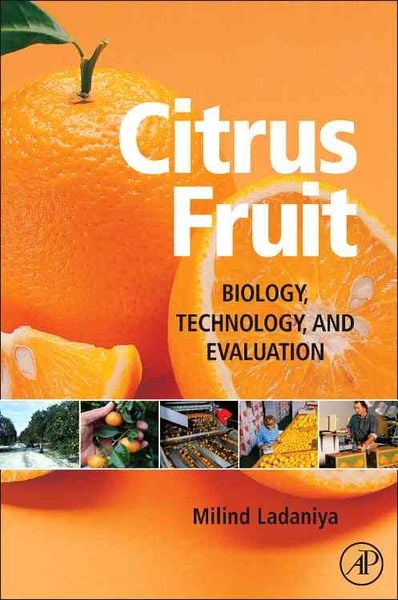
Produktbild: Citrus Fruit
- 11%

Citrus Fruit Biology, Technology and Evaluation

11% sparen

77,99 € UVP 88,40 €

inkl. gesetzl. MwSt., Versandkostenfrei


Beschreibung

Produktdetails

Einband

Gebundene Ausgabe

Erscheinungsdatum

01.12.2007

Verlag

Academic Press

Seitenzahl

576

Maße (L/B/H)

23,7/16,4/3,5 cm

Gewicht

1060 g

Sprache

Englisch

ISBN

978-0-12-374130-1

Beschreibung

Produktdetails

Einband

Gebundene Ausgabe

Erscheinungsdatum

01.12.2007

Verlag

Academic Press

Seitenzahl

576

Maße (L/B/H)

23,7/16,4/3,5 cm

Gewicht

1060 g

Sprache

Englisch

ISBN

978-0-12-374130-1

Herstelleradresse

Libri GmbH
Europaallee 1
36244 Bad Hersfeld
DE

Email: gpsr@libri.de

Noch keine Bewertungen vorhanden

Verfassen Sie die erste Bewertung zu diesem Artikel

Helfen Sie anderen Kundinnen und Kunden durch Ihre Meinung.

Kundinnen und Kunden meinen

Bewertungen (0)

Die Leseprobe wird geladen.
  • Produktbild: Citrus Fruit
  • FINAL:1) Introduction- An Overview 2) Commercial fresh citrus cultivars and major producers3) Post harvest losses4) Pre-harvest factors affecting fruit quality and post-harvest life5) Fruit morphology, anatomy and physiology 5.1) Fruit morphology 5.2) Fruit anatomy 5.3) Fruit physiology 6) Fruit biochemistry 6.1) Carbohydrates 6.2) Organic acids 6.3) Nitrogenous compounds 6.4) Enzymes 6.5) Lipids, waxes and other related compounds 6.6) Pigments 6.7) Phenolics, Flavonoids and limonoids 6.8) Vitamins 6.9) Inorganic constituents 6.10) Volatiles7) Growth, maturity, grade standards and physico-mechanical characteristics of fruit 7.1) Growth and development 7.2) Maturation 7.3) Indices of maturity, fruit grades and standards 7.4) Physical and mechanical characteristics8) Harvesting9) Preparation for fresh fruit market 9.1) Degreening 9.2) Packinghouse operations 9.3) Post harvest treatments- Coatings, PBRs & other chemicals10) Packaging 10.1) Containers and other packaging materials 10.2) Film wrapping 10.3) Modified atmosphere packaging 11) Pre-cooling 12) Storage systems and response of citrus fruits 12.1) Refrigerated storage 12.2) Controlled atmosphere and hypobaric storage 12.3) Evaporative and other natural systems 12.4) Ambient storage13) Transportation14) Domestic marketing and distribution systems 15) Irradiation16) Postharvest diseases and management 16.1) Post harvest diseases 16.2) Pesticides, residues and tolerances 16.3) Organic post-harvest management 16.3.1) Bio-agents 16.3.2) Botanicals and other non-hazardous methods 16.3.3) Physical methods 17) Physiological disorders and management 18) Postharvest treatments for insect control 19) Fruit quality control, evaluation and analysis 19.1) Quality control and assurance systems 19.2) Quality evaluation and instruments 19.3) Fruit analysis20) Nutritional and medicinal value of citrus 21) Biotechnological applications in fresh citrus fruit 22) World fresh citrus trade 22.1) Exports and World trade 22.2) Quarantine issues