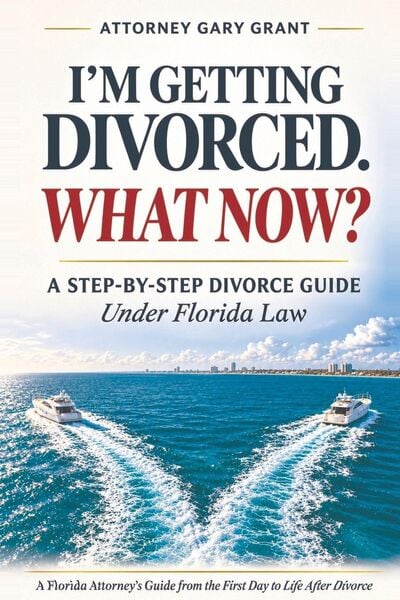
Divorce can change your home, finances, family relationships, and future. When children, property, or a business are involved, the decisions you make early can have lasting consequences. What should you do first, and how can you avoid costly mistakes? In I'm Getting Divorced. What Now?, Florida attorney Gary Grant explains the legal, financial, and practical issues that arise before, during, and after a divorce in Florida. Through clear explanations, realistic scenarios, and practical guidance, he helps readers understand the process, prepare important documents, and ask informed questions. Whether you are considering divorce, responding to a petition, negotiating a settlement, or facing a contested case, this book provides a structured way to approach difficult decisions. It is especially useful when your situation involves children, a family home, retirement savings, business ownership, or significant marital assets. Inside, you will learn how to:Prepare for an attorney consultation and identify urgent priorities. Understand the stages of a Florida divorce, including filing, financial disclosure, mediation, hearings, and final judgment. Distinguish marital and nonmarital property and understand equitable distribution of assets and debts. Examine questions involving alimony, child support, income, expenses, and financial planning. Navigate parenting plans, time-sharing, and decisions affecting children. Recognize issues involving business valuation, complex finances, and international assets. Compare negotiation, settlement, and litigation while protecting important records and evidence. Prepare for life after divorce, including implementing agreements and court orders. Divorce is not simply a legal filing. It can also be a financial turning point. An agreement that appears reasonable today may affect your ability to support yourself tomorrow. Decisions about parenting, property, or a privately held company deserve careful thought. Grant connects Florida family law with the practical realities of managing risk, preserving assets, and planning for long-term stability. The discussion also highlights common sources of confusion: what financial records to collect, how to evaluate proposals, why timelines matter, and what to consider when personal conflict affects legal strategy. These issues can be especially important for couples with unequal incomes, shared debts, valuable property, or a family business. The book does not promise an easy divorce or a guaranteed outcome. Instead, it encourages preparation over panic and informed decisions over impulsive reactions. Readers gain a clearer view of the questions that matter, the trade-offs they may face, and the role of qualified legal and financial professionals. Instead of overwhelming readers with legal jargon, Grant explains how individual decisions fit into the larger picture of a divorce case. The emphasis is on realistic expectations, useful preparation, and understanding both immediate needs and longer-term consequences. This publication is for general educational purposes only. It is not legal advice and does not establish an attorney-client relationship. Laws and individual circumstances vary; consult a qualified attorney about your situation.