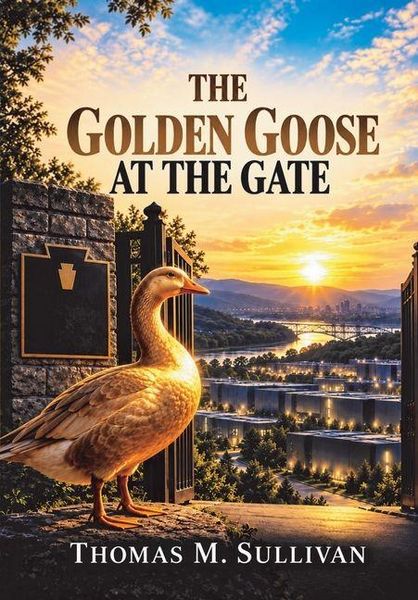
When a technology company offers to invest billions in your community, what should you ask before opening the gate?
Artificial intelligence may arrive on a screen, but the machinery behind it needs land, electricity, water, workers, and a place to call home. For the communities being asked to host enormous data centers, the promises are exciting: construction jobs, investment, tax revenue, and a place in the economy of the future. The questions are just as urgent. Who pays for the new infrastructure? How many jobs remain when construction ends? What happens to residents' electric bills, water supplies, and quality of life?
In The Golden Goose at the Gate, Thomas M. Sullivan examines the bargain taking shape between the technology industry and the people living next door. Using Pennsylvania as his primary case study, he follows the money, tests the promises, and explores how communities can welcome responsible investment while demanding measurable, lasting benefits.
Written for everyday readers, this nonfiction exploration takes you beyond the headlines to examine:
- The difference between a multibillion-dollar announcement and a lasting public benefit.
- Electricity demand, cooling, water use, and the question of who should pay for growth.
- Construction employment, permanent jobs, tax incentives, and the share that stays in the host community.
- Transparency, local control, and the legitimate reasons residents may support-or oppose-a project.
- The lessons of Pennsylvania and New York's different energy choices and Amazon's abandoned New York headquarters plan.
The journey also looks beyond today's industrial parks. From former mines and underwater facilities to cold climates and emerging experiments in orbital computing, Sullivan explores how technology could change where data centers are built, carefully separating operating facilities from proposals and speculative possibilities.
At the heart of the book is the Golden Goose Test: seven practical questions for evaluating what a project promises, what it costs, who benefits, and what happens if the promises are not kept-or the community says no.
For residents, taxpayers, local leaders, and anyone curious about the physical footprint of artificial intelligence, this book offers an accessible way to examine a decision that could shape a community for generations.
Its guiding principle is simple: a community should be better off because development came there. Achieving that requires informed questions, clear commitments, and an understanding that opportunity has choices.
The Golden Goose can fly. What matters is the bargain we make before it builds its nest.