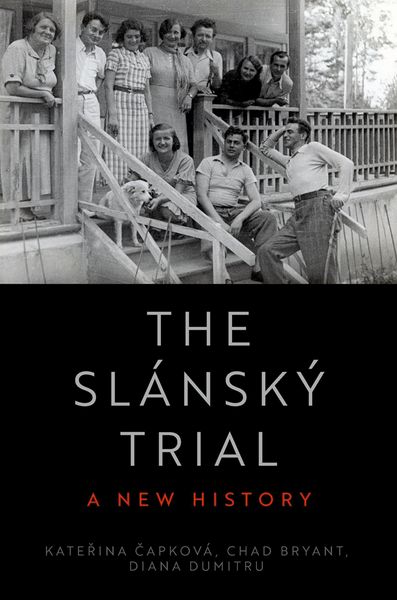
The Slánský Trial A New History
55,99 €
inkl. gesetzl. MwSt.,
Beschreibung
Produktdetails
Einband
Gebundene Ausgabe
Erscheinungsdatum
01.10.2026
Verlag
Oxford University PressSeitenzahl
392
Maße (L/B/H)
23,5/16,9/3 cm
Gewicht
739 g
Sprache
Englisch
ISBN
978-0-19-760408-3
In 1952, a Prague court tried Rudolf Slánský and thirteen other Communist leaders - eleven of them "of Jewish heritage" - of espionage and treason. Most of the defendants were executed days later. The trial, which was one of the most notorious Stalin-era show trials in Eastern Europe, has long been considered as an antisemitic Soviet export, directly orchestrated by Stalin. This collectively written book overturns that long-standing misinterpretation of the trial. Drawing on a vast array of archival sources, it uncovers the ways in which the trial emerged from political rivalries in Prague and beyond, fueled by personal ambitions and calculated attempts to capture Moscow's attention. The book traces the prewar and wartime formation of the Czechoslovak Communist elite, the mechanisms of postwar power consolidation, the role of ethnic cleansing, and the shifting use of antisemitism and "Zionism" in domestic politics. It demonstrates how factional maneuvering, coercive interrogations, and carefully curated information sent to Moscow shaped both the trial itself and the wave of related proceedings that continued even after Stalin's death. Beyond reconstructing the orchestration between Prague and Moscow, the book opens a window into the inner workings of the Communist Party of Czechoslovakia, revealing the rituals, hierarchies, and personal ties that bound its leaders to counterparts in the Soviet Union and across Eastern Europe. Situating the Slánský trial within the larger framework of Cold War geopolitics, the authors also examine its contested legacies, from the ways it has been remembered and forgotten to its enduring symbolic role in debates about authoritarianism and justice. By integrating political, social, and cultural history, this book offers a powerful new perspective on authoritarian rule, the porous boundaries between victim and perpetrator, and the local agency expressed through the choices that culminated in the Stalinist bloc's most infamous spectacle of justice.
Noch keine Bewertungen vorhanden
Verfassen Sie die erste Bewertung zu diesem Artikel
Helfen Sie anderen Kundinnen und Kunden durch Ihre Meinung.
Kurze Frage zu unserer Seite
Vielen Dank für Ihr Feedback
Wir nutzen Ihr Feedback, um unsere Produktseiten zu verbessern. Bitte haben Sie Verständnis, dass wir Ihnen keine Rückmeldung geben können. Falls Sie Kontakt mit uns aufnehmen möchten, können Sie sich aber gerne an unseren Kund*innenservice wenden.
zum Kundenservice