Vorbesteller
Neu
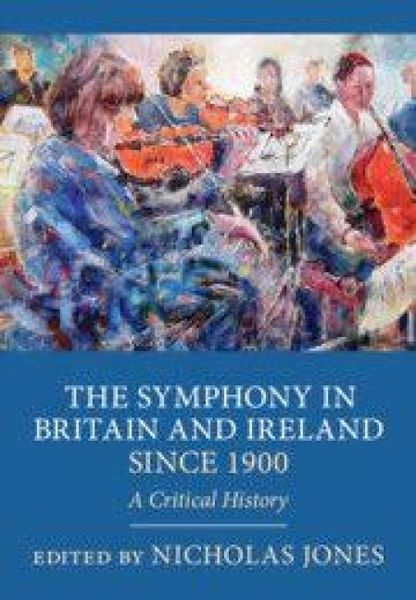
The Symphony in Britain and Ireland since 1900 A Critical History
-
- Englisch ausgewählt
112,99 €
inkl. gesetzl. MwSt.,
Portrait
Dr Nicholas Jones is Reader in Musicology and Head of Cardiff University's School of Music. He has authored and edited major works on Peter Maxwell Davies, Harrison Birtwistle and Michael Tippett, and Welsh art music, and co-directs the Cardiff University British Music Research Centre.
Produktdetails
Einband
Gebundene Ausgabe
Erscheinungsdatum
31.08.2026
Herausgeber
Nicholas JonesVerlag
Cambridge AcademicSeitenzahl
436
Sprache
Englisch
ISBN
978-1-00-925453-3
Dr Nicholas Jones is Reader in Musicology and Head of Cardiff University's School of Music. He has authored and edited major works on Peter Maxwell Davies, Harrison Birtwistle and Michael Tippett, and Welsh art music, and co-directs the Cardiff University British Music Research Centre.
Kundinnen und Kunden meinen
Verfassen Sie die erste Bewertung zu diesem Artikel
Helfen Sie anderen Kund*innen durch Ihre Meinung
Kurze Frage zu unserer Seite
Vielen Dank für Ihr Feedback
Wir nutzen Ihr Feedback, um unsere Produktseiten zu verbessern. Bitte haben Sie Verständnis, dass wir Ihnen keine Rückmeldung geben können. Falls Sie Kontakt mit uns aufnehmen möchten, können Sie sich aber gerne an unseren Kund*innenservice wenden.
zum Kundenservice