Gutscheinbedingungen

**Gültig bis 17.08.2026 auf Schreibwaren & Office-Artikel online auf thalia.at, in der Thalia App und in teilnehmenden Thalia Buchhandlungen in Österreich mit Schulsortiment. In den Buchhandlungen nur gültig auf lagernde Ware. Einzelne Artikel können ausgeschlossen sein. Ausgenommen sind preisgebundene Artikel. Pro Einkauf einmal einlösbar. Nur gültig gegen Vorlage oder im Onlineshop hinterlegter Bonuscard. Infos zur Einlösung in der Buchhandlung sind auf der Bonuscard-Vorteilspreisseite zu finden. Click & Collect nur bei Onlinevorabzahlung möglich. Keine Einlösung bei Scan & Go-Bezahlung. Keine Barauszahlung. Nicht kombinierbar mit anderen Aktionen und Gutscheinen. Gutschein wird auf max. 500€ Bestellwert angerechnet. Nicht gültig für Geschenkkarten, Versandkosten und Services.

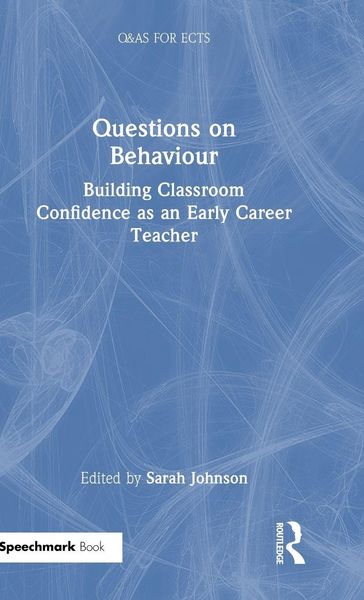
Produktbild: Questions on Behaviour
Vorbesteller Neu

Questions on Behaviour Building Classroom Confidence as an Early Career Teacher

Aus der Reihe Q&As for ECTs

235,99 €

inkl. gesetzl. MwSt., Versandkostenfrei


Beschreibung

Produktdetails

Einband

Gebundene Ausgabe

Erscheinungsdatum

14.09.2026

Abbildungen

schwarz-weiss Illustrationen, Raster,schwarz-weiss

Herausgeber

Sarah Johnson

Verlag

Taylor and Francis

Seitenzahl

196

Maße (L/B/H)

21,6/14/1,3 cm

Gewicht

376 g

Sprache

Englisch

ISBN

978-1-03-297155-1

Beschreibung

Produktdetails

Einband

Gebundene Ausgabe

Erscheinungsdatum

14.09.2026

Abbildungen

schwarz-weiss Illustrationen, Raster,schwarz-weiss

Herausgeber

Sarah Johnson

Verlag

Taylor and Francis

Seitenzahl

196

Maße (L/B/H)

21,6/14/1,3 cm

Gewicht

376 g

Sprache

Englisch

ISBN

978-1-03-297155-1

Herstelleradresse

Libri GmbH
Europaallee 1
36244 Bad Hersfeld
DE

Email: GPSR Kontakt

Noch keine Bewertungen vorhanden

Verfassen Sie die erste Bewertung zu diesem Artikel

Helfen Sie anderen Kundinnen und Kunden durch Ihre Meinung.

Kundinnen und Kunden meinen

Bewertungen (0)

Die Leseprobe wird geladen.
  • Produktbild: Questions on Behaviour
  • Acronyms

    About the Editor

    About the Contributors

    Acknowledgements

    1 I'm here to teach, not deal with behaviour

    Why do I feel like this?

    Teaching behaviour is also teaching

    Do we need experts?

    Understanding behaviour across time

    What you can do now

    How to use this book, for ECTs and beyond

    Do all contributors agree with one another?

    2 Starting from you

    Mental health, resilience, and the work of 'showing up'

    How can I manage my workload effectively to prevent burnout?

    How can I advocate for myself when my wellbeing is being compromised by school demands?

    How can I handle difficult classroom situations while preserving my mental wellbeing?

    What can do I do when I'm struggling to balance lesson planning, marking, and managing behaviour?

    How can I find joy in teaching and truly celebrate the positive impact I have on my students' lives, especially when the challenges of the classroom sometimes feel overwhelming?

    Further support: Wellbeing organisations for educators (UK)

    3 Schools and trusts as organisations

    How do schools actually work?

    How can I promote the ethos of a school as an ECT?

    What is the role of the wider trust in behaviour in my classroom?

    What can we learn from special schools about behaviour?

    Why do leaders make the decisions they do? Suspension and permanent exclusion

    What can pupil referral units and alternative provision teach us about behaviour?

    How can I effectively collaborate with colleagues and support staff to maintain a consistent approach to student behaviour?

    What does the local authority have to do with behaviour in my class?

    4 Classrooms, conflict, and creating a culture of safety

    How do I handle conflicts between students in a way that promotes inclusion?

    What should I consider when implementing behaviour policies to ensure that students' emotional and physical wellbeing are protected?

    What can we learn from the Early Years about 'behaviour'?

    How can I create a culture of safety and certainty through design?

    What does teaching have to do with behaviour?

    How do I create a positive classroom culture?

    What do I do when the rest of the class starts copying negative behaviour?

    How do I manage when I've not had much support with classroom behaviour routines?

    What should I consider when grouping students to support behaviour and engagement?

    When is banter not banter?

    As an ECT, how can I tackle misogyny in the classroom?

    5 Children as individuals

    How can I engage the disengaged?

    How can I support students who have experienced trauma?

    Is it my fault that my students' behaviour is so poor?

    Should students be punished for breaking school rules?

    What strategies can I use to support children exhibiting challenging behaviours without asking children to leave the class?

    How do you know when a behaviour issue might actually be an unmet special educational need, and how do you support behaviour for a pupil awaiting assessment or diagnosis?

    What are some common misunderstandings teachers have about behaviour and SEND, and how can we reframe them?

    What can I do to support white working-class boys?

    What has aspiration got to do with behaviour?

    6 Children and their parents/carers

    How do carers find out about behaviour in school?

    How can I involve parents and carers in supporting safeguarding and positive behaviour at school?

    How can ECTs build strong relationships with parents, and why does this matter for behaviour and learning?

    As a new teacher, how do I talk with carers about behaviour without the conversation becoming negative or adversarial?

    What if I say the wrong thing?

    How about when engagement from parents/carers is low?

    How can I work with parents and carers to understand and support the behaviour of pupils with SEND?

    7 A focus on safeguarding

    Behaviour and safeguarding overlaps

    What is the role of school policies in safeguarding students, and how can I apply them as an ECT?

    How can I recognise and respond to safeguarding concerns in the classroom?

    What steps should I take to maintain a safe learning environment while managing student behaviour?

    8 Integrating perspectives

    Behaviour isn't just about the children

    Thinking about practice

    Case study 1: The chaos classroom

    Case study 2: The 'difficult' parent

    Case Study 3: Behaviour or safeguarding, professional curiosity

    Case Study 4: Being undermined by another teacher

    Case Study 5: I said the wrong thing

    Behaviour as care

    Building your own framework

    Final thoughts

    Index