Vorbesteller
Neu
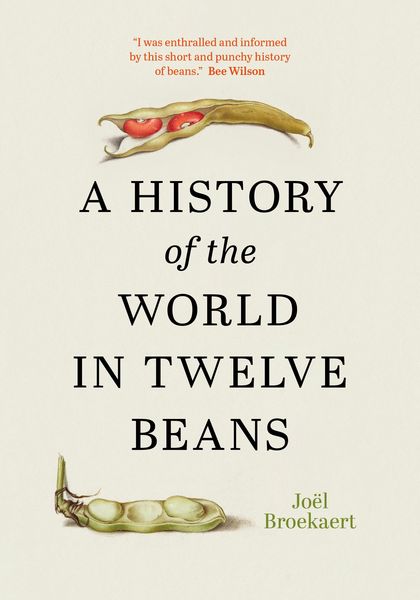
A History of the World in Twelve Beans
23,20 €
inkl. gesetzl. MwSt.Artikel erhalten
Beschreibung
Produktdetails
Format
ePUB
Kopierschutz
Nein
Family Sharing
Nein
Text-to-Speech
Ja
Erscheinungsdatum
06.10.2026
Verlag
Greystone BooksSeitenzahl
(Printausgabe)
Übersetzt von
Michele Hutchison
Sprache
Englisch
EAN
9781778403552
Featured on NPR's All Things Considered
A fascinating exploration of the central role legumes have played in shaping civilizations and cultures throughout history.Julia Newberry, general manager of Rancho Gordo and co-author of the New York Times bestselling The Bean Book
From ancient empires to modern kitchens, discover how twelve humble beans have quietly changed the world in vast and unimaginable ways.
In A History of the World in Twelve Beans, food writer and history buff Joël Broekaert reveals how beans have profoundly shaped human history, culture, and society, through millennia and across continents.
Beans have been long dismissed as the common person's fooda cheap and nutritious form of protein that replaces expensive meatand are often the butt of jokes about flatulence (enough to make some Greek philosophers forbid their followers from eating them). But beans, as Broekaert shows, are surprisingly mighty. Fava beans helped pull medieval Europe out of the Dark Ages and fuel a population boom. While soy powered the Chinese empire, thanks to the culinary innovations that turned a nearly indigestible bean into delicious miso, soy sauce, and tofu.
The story of beans is also a story of colonialism, exploitation, and survival. The common bean, originating in the Americas and central to the diet of many Indigenous Peoples, crossed the Atlantic as part of the Columbian exchange of new foodsalong with devastating diseases that decimated Indigenous populations. Cocoa and coffee beans became engines of colonial wealth, slavery, and revolution. Yet beans can also be a symbol of hope. Black-eyes peas, carried to the Americas with enslaved Africans, became a soul food staple and an emblem of Black emancipation. Today, beans are even being promoted as a solution to climate change and food insecurity, with high-tech meat substitutes made from lupin beans in the works.
Blending botany, anthropology, culture, economics, and environmental issues, A History of the World in Twelve Beans is a witty, surprising, and eye-opening tour of world history as told through legumes. As Broekaert shows, beans have not only shaped human civilization; they might be a key to a sustainable future, too.
Noch keine Bewertungen vorhanden
Verfassen Sie die erste Bewertung zu diesem Artikel
Helfen Sie anderen Kundinnen und Kunden durch Ihre Meinung.
Kurze Frage zu unserer Seite
Vielen Dank für Ihr Feedback
Wir nutzen Ihr Feedback, um unsere Produktseiten zu verbessern. Bitte haben Sie Verständnis, dass wir Ihnen keine Rückmeldung geben können. Falls Sie Kontakt mit uns aufnehmen möchten, können Sie sich aber gerne an unseren Kund*innenservice wenden.
zum Kundenservice