KI-Beratung Beta

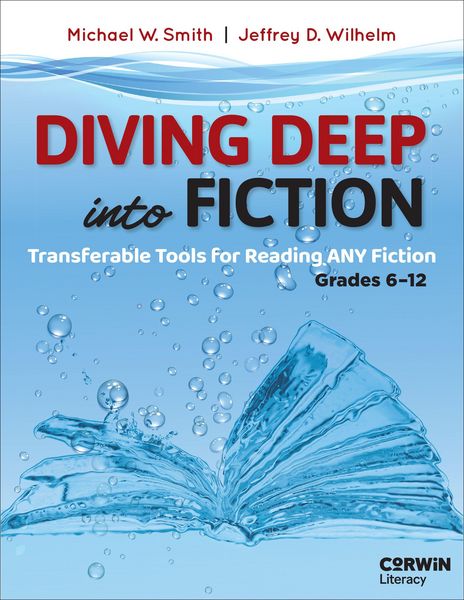
Produktbild: Diving Deep Into Fiction

Diving Deep Into Fiction Transferable Tools for Reading ANY Fiction

45,99 €

inkl. gesetzl. MwSt., Versandkostenfrei


Beschreibung

Empower your students to unlock the hidden power of fiction

Fiction has the unique power to unlock a profound way of knowing the world, yet many learners struggle to understand and connect with literature on a deeper level. Building on the game-changing strategies from their bestselling Diving Deep...

Beschreibung

Empower your students to unlock the hidden power of fiction

Fiction has the unique power to unlock a profound way of knowing the world, yet many learners struggle to understand and connect with literature on a deeper level. Building on the game-changing strategies from their bestselling Diving Deep Into Nonfiction, renowned educators Jeffrey D. Wilhelm and Michael W. Smith introduce a revolutionary framework that demystifies fiction for adolescent readers. This book empowers teachers to show students how to recognize the Rules of Notice-the conventions that signal what¿s important in a text-and analyze key literary elements like genre, character, point of view, symbolism, and theme. The essential mental models in the book will guide students as they read and write fictional texts. When students learn to pay attention to these signals, they begin to unlock the rich, complex worlds that fiction offers.

This practical guide provides everything you need to help students become more competent and confident readers of fiction. Inside, yoüll find:


  • A clear introduction to the four Rules of Notice that accomplished readers use intuitively: direct statements, calls to attention, ruptures, and reader¿s response

  • Classroom-tested lessons and engaging short excerpts that model how to apply these rules to any fictional text

  • Sample think-alouds and ready-to-use materials that guide students to connect with what they notice and make their own meaning

  • Strategies for interpreting essential literary elements, including genre, character, point of view, symbols, and thematic conversations

With this book, yoüll gain the tools to teach your students how to read fiction with intention and insight, giving them the confidence to navigate complex texts and discover the connections between literature and their own lives.

Produktdetails

Einband

Taschenbuch

Erscheinungsdatum

23.06.2026

Verlag Sage Publications
Seitenzahl

240

Produktdetails

Einband

Taschenbuch

Erscheinungsdatum

23.06.2026

Verlag Sage Publications
Seitenzahl

240

Maße (L/B/H)

27,7/21,7/1,5 cm

Gewicht

678 g

Sprache

Englisch

ISBN

978-1-07-196434-7

Herstelleradresse

Libri GmbH
Europaallee 1
36244 Bad Hersfeld
DE

Email: gpsr@libri.de

Noch keine Bewertungen vorhanden

Verfassen Sie die erste Bewertung zu diesem Artikel

Helfen Sie anderen Kundinnen und Kunden durch Ihre Meinung.

Kundinnen und Kunden meinen

Bewertungen (0)

  • Produktbild: Diving Deep Into Fiction
  • Acknowledgments
    About the Authors
    Chapter 1: An Introduction to Our Approach: Inquiring Into the Reading Process and How Texts Work
    Inquiring Into the Reading Process and How Texts Work
    Reading Literature Is a Rule-Governed Activity
    Not Everything Is Equally Important
    Four Rules of Notice Are Powerful Tools to Guide Reading
    Five Key Elements Are Especially Important to Notice
    A Few Words About Teaching to Transfer
    How This Book Works
    Chapter 2: Introducing the Rules of Notice: Must-Make Moves of Reading Competence
    Must-Make Moves of Reading Competence
    Lesson 1. Teaching Rules of Notice
    Handout 2.1. Worksheet for the Teaching Rules of Notice Lesson
    Chapter 3: Noticing and Interpreting Genres: How Texts Are Structured for Meaning and Effect
    What Genre Is
    Why a New Understanding of Genre Matters
    Lesson 1. Noticing and Interpreting Genre: Reading Visual Texts
    Handout 3.1. Short Guide to Readers Rules of Notice
    Lesson 2. Noticing and Interpreting Genre: Thinking Aloud
    Lesson 3. Noticing and Interpreting Genre: Practice in Miniature
    Lesson 4. Noticing and Interpreting Genre: Questioning
    Handout 3.2. The KEEPS! Questioning Strategy
    Lesson 5. Noticing and Interpreting Genre: Writing and Responding
    Lesson 6. Noticing and Interpreting Genre: Search and Find
    Lesson 7. Noticing and Interpreting Genre: Putting It All Together
    Handout 3.3. Poems for Lesson 7: Noticing Genre: Putting It All Together
    Chapter 4: Noticing and Interpreting Key Details About Characters: From Life to Literature and Back to Life
    A Quick Look at Character
    Lesson 1. Noticing Details About Characters: Reading Visual Texts
    Lesson 2. Noticing Details About Characters: Thinking Aloud
    Lesson 3. Noticing Details About Characters: Practice in Miniature
    Handout 4.1. Are They Admirable?
    Lesson 4. Noticing Details About Characters: Questioning
    Handout 4.2. Excerpt from Roll of Thunder, Hear My Cry with questions inserted
    Lesson 5. Noticing Details About Characters: Writing and Responding
    Lesson 6. Noticing Details About Characters: Search and Find
    Lesson 7. Noticing Details About Characters: Putting It All Together
    Chapter 5: Noticing and Interpreting Key Details About Point of View: Positions and Positioning
    Lesson 1. Noticing Details About Point of View: Reading Visual Texts
    Lesson 2. Noticing Details About Point of View: Thinking Aloud
    Lesson 3. Noticing Details About Point of View: Practice in Miniature
    Handout 5.1. Are They Reliable? Worksheet
    Lesson 4. Noticing Details About Point of View: Questioning
    Lesson 5. Noticing Details About Point of View: Writing and Responding
    Handout 5.2. What Really Happened With the Three Little Pigs
    Lesson 6. Noticing Details About Point of View: Search and Find
    Lesson 7. Noticing Details About Point of View: Putting It All Together
    Chapter 6: Noticing and Interpreting Symbols and Motifs: The Text Is a Profusion of Signs!
    A Quick Look at Symbolism
    The Symbolism Family
    Thinking About Archetypes
    Thinking About Allegory
    Thinking About Motifs
    Lesson 1. Noticing and Interpreting Symbols: Reading Visual Images
    Lesson 2. Noticing and Interpreting Symbols: Thinking Aloud
    Lesson 3. Noticing and Interpreting Symbols: Practice in Miniature
    Handout 6.1. Archetypal Lens
    Lesson 4. Noticing and Interpreting Symbols: Questioning
    Handout 6.2. QAR Introduction
    Handout 6.3. Mental Model for Reading Symbols
    Lesson 5. Noticing and Interpreting Symbols: Writing and Responding
    Lesson 6. Noticing and Interpreting Symbols: Search and Find
    Lesson 7. Noticing and Interpreting Symbols: Putting It All Together
    Handout 6.4. How Coyote Stole Fire
    Handout 6.5. Characters, Story Elements, Relationships, and Symbolism
    Chapter 7: Noticing and Interpreting Thematic Conversations: But What Does It Mean?
    Lesson 1. Noticing and Interpreting Theme: Reading Visual Texts
    Lesson 2. Noticing and Interpreting Theme: Thinking Aloud
    Lesson 3. Noticing and Interpreting Theme: Practice in Miniature
    Handout 7.1. The E-R-C Mental Model: Find Evidence, Apply Reasoning-Generate a Claim
    Handout 7.2. Reminders for Composing an Argument of Interpretation or Analysis of a Text
    Handout 7.3. The Topic-Comment Mental Model for Claim Writing
    Lesson 4. Noticing and Interpreting Theme: Questioning
    Lesson 5. Noticing and Interpreting Theme: Writing and Responding
    Handout 7.4. The Wolf & His Shadow
    Handout 7.5. The Wolf & His Shadow Remix
    Handout 7.6. The Wolf & His Shadow Remix 2
    Lesson 6. Noticing and Interpreting Theme: Search-and-Find
    Lesson 7. Noticing and Interpreting Theme: Putting It All Together
    Chapter 8: Some Final Thoughts on the Current State of Reading Education
    Works Cited
    Index