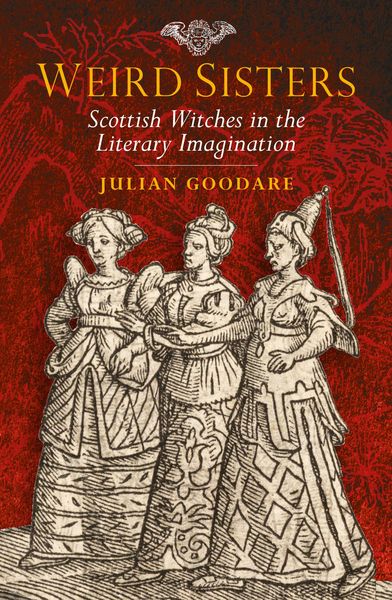
Weird Sisters Scottish Witches in the Literary Imagination
-
- Einzelkauf Download ausgewählt
-
Sprache:Englisch
17,99 €
inkl. gesetzl. MwSt.Beschreibung
Produktdetails
Format
ePUB 3
Kopierschutz
Nein
Family Sharing
Ja
Text-to-Speech
Ja
Erscheinungsdatum
02.07.2026
Verlag
John DonaldSeitenzahl
160 (Printausgabe)
Dateigröße
7644 KB
Sprache
Englisch
EAN
9781788858755
Witches in medieval fiction were linked with otherworlds - heaven, hell or fairyland. By the later sixteenth century, as witchcraft prosecutions gathered pace, fictional witches were connected more firmly to the Devil and to hell. Writers then began undermining this by treating witchcraft as a topic of ridicule; threatening magic was replaced by harmless folklore.
This book analyses fictional and imaginative writings about Scottish witches between about 1450 and 1750. It places literary witches in their historical context, comparing them with real people who were prosecuted and executed for witchcraft in this dark period of Scotland's past. It turns out that literary witches are often very different from historical ones: most are comical characters, and some are not even human.
The phrase 'weird sisters', familiar from Shakespeare's Macbeth, originated in Scotland, and there is a detailed discussion of the meaning of the phrase and connections between the 'Scottish play' and Scotland itself. Many of Scotland's famous Renaissance poets and dramatists wrote about witches, including William Dunbar, Sir David Lindsay and Alexander Montgomerie, and their work is also explored. By the end of the book, the discussion turns to Robert Burns's 'Tam o' Shanter' (1791) in which literary witches are fantasy fiction - as they have remained.
Noch keine Bewertungen vorhanden
Verfassen Sie die erste Bewertung zu diesem Artikel
Helfen Sie anderen Kundinnen und Kunden durch Ihre Meinung.
Kurze Frage zu unserer Seite
Vielen Dank für Ihr Feedback
Wir nutzen Ihr Feedback, um unsere Produktseiten zu verbessern. Bitte haben Sie Verständnis, dass wir Ihnen keine Rückmeldung geben können. Falls Sie Kontakt mit uns aufnehmen möchten, können Sie sich aber gerne an unseren Kund*innenservice wenden.
zum Kundenservice