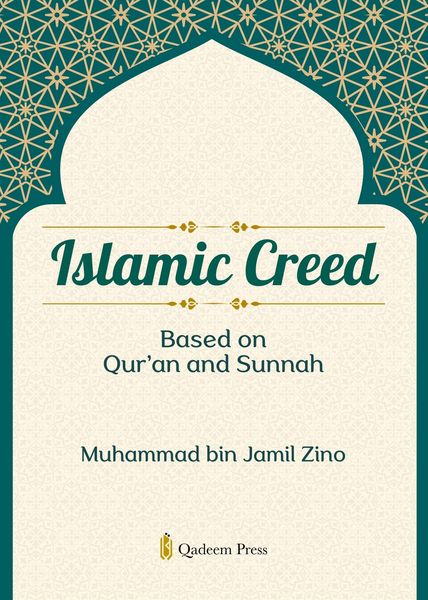
Islamic Creed Based on Qur'an and Sunnah
-
- Taschenbuch
- eBook ausgewählt
-
Form:Einzelkauf Download
-
Sprache:Englisch
3,60 €
4,10 €
*
Beschreibung
Produktdetails
Format
ePUB
Kopierschutz
Nein
Family Sharing
Nein
Text-to-Speech
Ja
Erscheinungsdatum
27.11.2025
Verlag
Qadeem PressSeitenzahl
94 (Printausgabe)
Auflage
2. Auflage
Sprache
Englisch
EAN
9789366087887
EDUCATIONAL APPLICATIONS AND TEACHING GUIDE
Islamic Creed Based on Qur'an and Sunnah serves as an exceptional educational resource for Islamic studies programs at multiple levels, from weekend Islamic schools through university courses. Its systematic organization, evidence-based approach, and accessible format make it adaptable to diverse pedagogical contexts.
Suitable Educational Settings:
Weekend Islamic Schools (Ages 12+): The question-and-answer format allows instructors to present one or two questions per session, building cumulative understanding over academic terms. The clear language and direct approach suit adolescent learners developing theological literacy.
Islamic High Schools: Appropriate as primary textbook for Islamic Studies or Theology courses. The comprehensive coverage allows systematic progression through Islamic creed over one or two semesters. The source citations teach students to engage with primary Islamic texts while building research skills.
University Undergraduate Courses: Ideal for introductory courses in Islamic theology, comparative monotheism, or world religions. Functions as primary text for Islamic creed courses or supplementary reading for broader Islamic studies curricula. The work's presentation of Islamic self-understanding complements academic analyses from external perspectives.
Adult Education Programs: Perfect for new Muslim education, Qur'an and hadith study circles, and mosque-based learning programs. The accessible format suits learners at various stages of Islamic knowledge, from beginners through those seeking to deepen existing understanding.
Graduate Seminars: Valuable as primary source material illustrating orthodox Sunni theological positions and traditional Islamic pedagogical methods. Supports research on contemporary Islamic movements, debates over authentic practice, and the dynamics of tradition and innovation in Muslim communities.
Course Integration Strategies:
Introductory Islamic Theology Course: Use as primary textbook, assigning sequential sections throughout the semester. Each class session addresses one major section, with students reading question-and-answer pairs in advance and class time devoted to discussion, clarification, and comparative analysis.
Comparative Monotheism Course: Incorporate sections on Tawhid when examining Islamic conceptions of Divine Unity. Compare with Jewish and Christian monotheistic formulations, using the work's clear articulation of Islamic positions as a basis for thoughtful comparison.
Islamic Studies Survey Course: Assign relevant sections corresponding to broader course topics. When covering Islamic beliefs, assign Sections IV. When addressing contemporary challenges, assign Sections XXII. This selective approach integrates the work into comprehensive curricula without requiring complete reading.
Methods of Qur'an and Hadith Course: Use the work's citation methodology as a model for proper engagement with Islamic sources. Analyze how the author integrates Qur'anic verses and hadith as evidence, teaching students standards for authentic source usage.
Discussion Questions for Classroom Use:
On Tawhid and Monotheism:
1. How does the tripartite division of Tawhid (Lordship, Worship, Names and Attributes) provide a framework for understanding Islamic monotheism? How does this compare with monotheistic conceptions in other Abrahamic traditions?
2. The author states that recognizing Allah's Lordship (Tawhid Ar-Rububiya) was not disputed even by pre-Islamic Arabian polytheiststhe conflict arose over worship practices (Tawhid Al-Uluhiyya). What does this distinction reveal about the nature of polytheism from an Islamic perspective?
3. Examine the principle There is nothing like unto Him (42:11) regarding Allah's Attributes. How does this verse guide the Islamic approach to understanding divine Attributes while avoiding both anthropomorphism and abstraction?
On Shirk and Religious Practice:
4. The author identifies certain contemporary practices as shirk despite practitioners considering themselves Muslims. How does Islamic theology navigate the tension between defining orthodox belief and addressing practices prevalent in Muslim communities?
5. Compare major shirk (shirk akbar) and minor shirk (shirk asghar). Why does Islamic theology make this distinction? What are the practical implications for Muslim religious life?
6. Analyze the treatment of grave visitation, amulet-wearing, and fortune-telling. What underlying theological principles inform the prohibition of these practices? How might cultural context affect their prevalence despite theological condemnation?
On Intercession and Mediation:
7. The work sharply distinguishes between proper intercession (supplicating to Allah alone) and improper intercession (directing supplications to deceased prophets or saints). Trace the theological reasoning behind this distinction.
8. How does the author balance honoring the Prophet Muhammad ﷺ while avoiding excessive veneration? What guidance does the hadith Do not exaggerate in praising me as the Christians did for the son of Mary provide?
9. Examine the statement that no supplication requires human intermediaries, as Allah is indeed near. How does this position affect Islamic conceptions of religious authority and spiritual hierarchy?
On Sources and Authority:
10. The author insists both Qur'an and Sunnah are indispensable for understanding Islam. Evaluate the arguments presented against those who claim Qur'an alone sufficiency. What role does the Sunnah play in Islamic epistemology?
11. Analyze the instruction to refer disputed matters to Qur'an and Sunnah rather than scholarly opinions or school traditions. What are the implications for Islamic legal methodology and authority structures?
12. How does the text navigate the relationship between revealed sources (Qur'an and Sunnah) and human interpretation? Where does scholarly authority fit in this framework?
On Innovation and Tradition:
13. The author categorically rejects good innovations in religious matters while acknowledging beneficial innovations in worldly affairs. Examine the theological reasoning behind this distinction. How does the concept of Islam's perfection and completion inform this position?
14. Distinguish between Sunnah Hasanah (good practice sanctioned by Islamic sources) and bid'ah (innovation). How does this distinction allow for dynamic application of Islamic principles while maintaining religious authenticity?
15. The discussion of innovation reflects tensions between preserving tradition and adapting to changing circumstances. How do contemporary Muslim communities navigate this tension? What role do texts like this play in those negotiations?
On Contemporary Applications:
16. The sections on jihad, wala (loyalty), and Islamic governance address sensitive topics. How does the work present these issues? How might this presentation be received by different audiences?
17. Examine the treatment of Muslimnon-Muslim relations. What principles does the author establish? How do these principles relate to debates about Muslim minority communities in non-Muslim majority societies?
18. The author addresses the obligation to apply Islamic law while acknowledging diversity in Muslim political contexts. How does the text navigate prescription (what should be) and description (what is) regarding Islamic governance?
Assignment Suggestions:
Comparative Analysis Paper (Undergraduate): Compare the treatment of monotheism in this text with either Jewish or Christian theological works. Focus on three key areas: conception of God, proper worship practices, and the role of prophets or religious figures. Length: 810 pages.
Source Analysis Project (Undergraduate/Graduate): Select three questions from different sections. For each, verify all Qur'anic verses and hadith citations by consulting primary sources. Analyze how effectively the author uses these sources to support the arguments made. Consider what alternative interpretations of these sources might exist. Length: 1012 pages.
Contemporary Application Essay (Undergraduate): Select one section addressing contemporary issues (jihad, innovation, Islamic governance, or Muslimnon-Muslim relations). Research how contemporary Muslim scholars and communities have addressed these issues. Compare the text's positions with alternative Muslim perspectives. Length: 68 pages.
Pedagogical Analysis (Graduate): Analyze the question-and-answer format as pedagogical method. How does this structure facilitate learning? What assumptions about knowledge transmission does it embody? Compare with other Islamic educational texts using different formats. Length: 1215 pages.
Ethnographic Research Project (Graduate): Interview Muslim community members (with appropriate ethical approval) regarding their understanding of topics addressed in the text (such as Tawhid, shirk, intercession, or innovation). Analyze how the text's positions relate to lived religious practice and belief. Length: 1520 pages.
Theological Debate Exercise (All Levels): Organize classroom debates on controversial topics addressed in the text. Assign students to present positions supporting and questioning the author's arguments, requiring engagement with both the text and broader Islamic intellectual tradition.
Source Documentation Workshop: Have students practice the citation methodology used in the text, requiring them to compose original theological statements supported by properly cited Qur'anic verses and authenticated hadith.
Assessment Strategies:
Comprehension Quizzes: Brief assessments covering key concepts, definitions, and basic content from assigned sections. Focus on factual understanding before moving to analytical engagement.
Position Papers: Short papers (35 pages) requiring students to articulate positions presented in the text on specific theological issues, demonstrating understanding before critique.
Comparative Analysis: Assignments requiring students to compare positions in this text with other Islamic sources or with positions from other religious traditions.
Analytical Essays: Longer papers examining theological reasoning, use of sources, contemporary relevance, and relationship to the broader Islamic intellectual tradition.
Presentation Projects: Students present on specific sections, explaining key concepts, analyzing arguments, and leading class discussion on implications.
Additional Resources for Instructors:
To effectively teach from this text, instructors should familiarize themselves with: English translations of the Qur'an, major hadith collections, basic Arabic transliteration systems, contemporary debates in Islamic theology and practice, historical and cultural contexts of theological development, and the Salafi theological tradition and methodology.
Addressing Sensitive Topics:
Several sections address potentially controversial topics including shirk accusations against Muslim practices, Islamic governance, and jihad. Instructors should establish a respectful classroom environment valuing diverse perspectives, distinguish between presenting theological positions and endorsing them, encourage critical engagement while respecting religious commitments, provide context for understanding how and why these positions developed, include alternative Muslim perspectives on contested issues, and maintain academic standards while honoring faith commitments of Muslim students.
Accessibility Considerations:
For students without Arabic background, instructors should provide a pronunciation guide for transliterated terms, create a glossary of key Arabic theological vocabulary, explain the significance of Qur'anic chapter and verse notation, and clarify hadith collection names and authentication terminology.
This text's combination of accessibility and scholarly rigor makes it exceptionally suitable for educational contexts ranging from community learning programs through graduate seminars, providing students with authentic engagement with Islamic theological thought as articulated from within the tradition.
Noch keine Bewertungen vorhanden
Verfassen Sie die erste Bewertung zu diesem Artikel
Helfen Sie anderen Kundinnen und Kunden durch Ihre Meinung.
Kurze Frage zu unserer Seite
Vielen Dank für Ihr Feedback
Wir nutzen Ihr Feedback, um unsere Produktseiten zu verbessern. Bitte haben Sie Verständnis, dass wir Ihnen keine Rückmeldung geben können. Falls Sie Kontakt mit uns aufnehmen möchten, können Sie sich aber gerne an unseren Kund*innenservice wenden.
zum Kundenservice