KI-Beratung Beta

Gutscheinbedingungen

**Gültig am 25.11.2026 auf fremdsprachige Bücher online auf thalia.at und in der Thalia App. Einzelne Artikel können ausgeschlossen sein. Ausgenommen sind preisgebundene Artikel & eBooks. Pro Einkauf einmal einlösbar. Click & Collect nur bei Onlinevorabzahlung möglich. Keine Barauszahlung. Nicht kombinierbar mit anderen Aktionen und Gutscheinen. Gutschein wird auf max. 500€ Bestellwert angerechnet. Nicht gültig für Geschenkkarten, Versandkosten und Services.

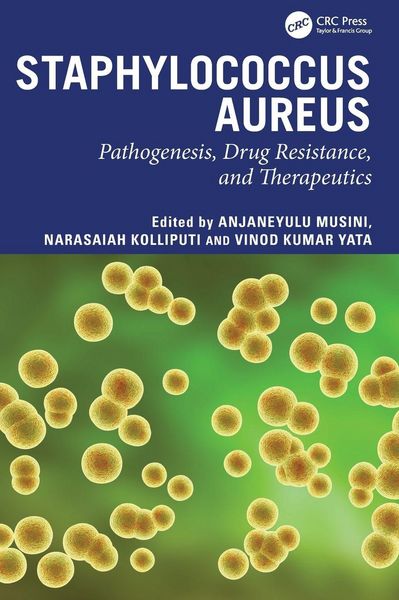
Produktbild: Staphylococcus aureus

Staphylococcus aureus Pathogenesis, Drug Resistance, and Therapeutics

163,99 €

inkl. gesetzl. MwSt., Versandkostenfrei


Beschreibung

This book presents a comprehensive overview of intricate mechanisms of virulence, antimicrobial resistance, immune evasion, and biofilm formation of Staphylococcus aureus. It provides insights into mechanisms by which S. aureus acquires and sustains drug resistance, including gene mutation, efflux pumps,...

Beschreibung

This book presents a comprehensive overview of intricate mechanisms of virulence, antimicrobial resistance, immune evasion, and biofilm formation of Staphylococcus aureus. It provides insights into mechanisms by which S. aureus acquires and sustains drug resistance, including gene mutation, efflux pumps, and horizontal gene transfer. The book examines the latest advancements in pathogen detection, application of artificial intelligence, and systems biology approaches in S. aureus research. In addition, the book examines host immune responses to persistent S. aureus infections, focusing on immune modulation, chronic inflammation, and evasion mechanisms. Further, the chapters review novel therapeutic interventions, including quorum-sensing inhibitors, plant-derived antimicrobials, and innovative vaccine development. By integrating genomic research, computational biology, and emerging drug discovery techniques, this book outlines the next generation of treatment options for S. aureus-related infections.

Key Features:

  • ·Explores the molecular and genetic mechanisms underlying S. aureus virulence, drug resistance, and host adaptation
  • Examines antimicrobial resistance mechanisms and the growing challenge of multidrug-resistant S. aureus strains
  • Discusses the role of biofilm formation and quorum sensing in disease persistence and treatment resistance
  • Presents state-of-the-art diagnostic technologies, including AI-driven detection and molecular profiling techniques
  • Reviews novel therapeutic approaches, including plant-based antimicrobials, quorum sensing inhibitors, and development of vaccines

This book is an important resource for students and researchers of microbiology and pharmaceutical sciences.

Produktdetails

Einband

Gebundene Ausgabe

Erscheinungsdatum

19.05.2026

Abbildungen

39 Farbabb., 39 Farbzeichn., 27 Farbtabellen

Herausgeber Anjaneyulu Musini + weitere

Produktdetails

Einband

Gebundene Ausgabe

Erscheinungsdatum

19.05.2026

Abbildungen

39 Farbabb., 39 Farbzeichn., 27 Farbtabellen

Herausgeber
Verlag Taylor & Francis
Seitenzahl

312

Maße (L/B/H)

26/18,3/2,1 cm

Gewicht

723 g

Sprache

Englisch

ISBN

978-1-04-108813-4

Herstelleradresse

Libri GmbH
Europaallee 1
36244 Bad Hersfeld
DE

Email: gpsr@libri.de

Noch keine Bewertungen vorhanden

Verfassen Sie die erste Bewertung zu diesem Artikel

Helfen Sie anderen Kundinnen und Kunden durch Ihre Meinung.

Kundinnen und Kunden meinen

Bewertungen (0)

Die Leseprobe wird geladen.
  • Produktbild: Staphylococcus aureus
  • Section I: Pathogenesis and Molecular Foundations of Staphylococcus aureus. 1. Introduction to Staphylococcus aureus: General Overview. 2. Unraveling the pathogenesis of Staphylococcus aureus. 3. Understanding Drug Resistance Mechanisms in Staphylococcus aureus. 4. Antimicrobial Resistance Trends in Staphylococcus aureus. 5. Genetic and Molecular Insights into Staphylococcus aureus Pathogenesis and Therapeutic Potential of Bioactive Compounds. Section II: Host-Pathogen Interactions and Immune Evasion Mechanisms. 6. Investigating Host Immune Response to Chronic Staphylococcus aureus Infection. 7. Navigating Staphylococcus aureus Mastitis: Detection, Management and Prevention. 8. Chronic Staphylococcus Infections and Cancer: Mechanisms and Treatments. Section III: Biofilm Formation and Quorum Sensing. 9. Exploring Quorum Sensing and Biofilm Formation in Staphylococcus aureus. 10. Current Techniques for Detecting Biofilm Formation. 11. Harnessing Quorum Sensing Inhibitors for Biofilm Control in Staphylococcus aureus. Section IV: Innovative Therapeutic Strategies and Future Research Directions. 12. Advanced Approaches to Identify, Characterize, and Track the Spread of Staphylococcus aureus. 13. AI Applications in Detecting, Treating, and Researching Staphylococcus aureus. 14. Applications of Systems Biology Tools to Understand Staphylococcus Aureus Behavior. 15. Advancements in Staphylococcus aureus Vaccine Development: Recent Insights. 16. Addressing Challenges and Exploring Future Prospects in Drug Development against Staphylococcus aureus.