Gutscheinbedingungen

**Gültig bis 06.07.2026 auf fremdsprachige Bücher online auf thalia.at, in der Thalia App ab einem Mindestbestellwert von 30€ und in allen Thalia Buchhandlungen in Österreich. In den Buchhandlungen nur gültig auf lagernde Ware. Einzelne Artikel können ausgeschlossen sein. Ausgenommen sind preisgebundene Artikel & eBooks. Pro Einkauf einmal einlösbar. Nur gültig gegen Vorlage oder im Onlineshop hinterlegter Bonuscard. Infos zur Einlösung in der Buchhandlung sind auf der Bonuscard-Vorteilspreisseite zu finden. Click & Collect nur bei Onlinevorabzahlung möglich. Keine Einlösung bei Scan & Go-Bezahlung. Keine Barauszahlung. Nicht kombinierbar mit anderen Aktionen und Gutscheinen. Gutschein wird auf max. 500€ Bestellwert angerechnet. Nicht gültig für Versandkosten und Services.

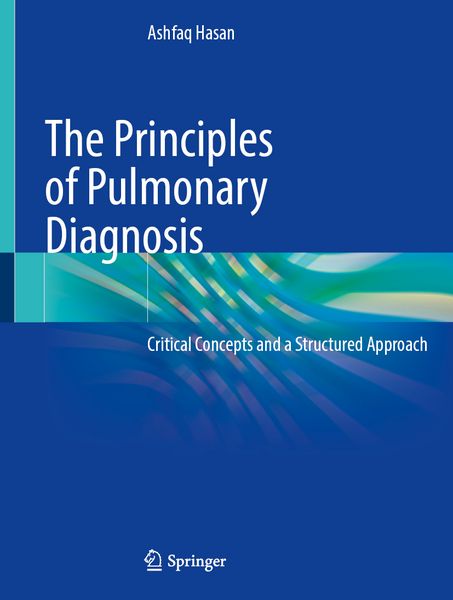
Produktbild: The Principles of Pulmonary Diagnosis
- 11%

The Principles of Pulmonary Diagnosis Critical Concepts and a Structured Approach

11% sparen

222,99 € UVP 252,99 €

inkl. gesetzl. MwSt., Versandkostenfrei


Beschreibung

Produktdetails

Einband

Gebundene Ausgabe

Erscheinungsdatum

24.11.2025

Abbildungen

XVIII, 16 illus., 9 illus. in color., schwarz-weiss Illustrationen, farbige Illustrationen

Verlag

Springer Singapore

Seitenzahl

1112

Maße (L/B/H)

28,5/21,5/5 cm

Auflage

1. Auflage

Sprache

Englisch

ISBN

978-981-9678-09-9

Beschreibung

Produktdetails

Einband

Gebundene Ausgabe

Erscheinungsdatum

24.11.2025

Abbildungen

XVIII, 16 illus., 9 illus. in color., schwarz-weiss Illustrationen, farbige Illustrationen

Verlag

Springer Singapore

Seitenzahl

1112

Maße (L/B/H)

28,5/21,5/5 cm

Auflage

1. Auflage

Sprache

Englisch

ISBN

978-981-9678-09-9

Herstelleradresse

Springer-Verlag GmbH
Tiergartenstr. 17
69121 Heidelberg
DE

Email: GPSR Kontakt

Noch keine Bewertungen vorhanden

Verfassen Sie die erste Bewertung zu diesem Artikel

Helfen Sie anderen Kundinnen und Kunden durch Ihre Meinung.

Kundinnen und Kunden meinen

Bewertungen (0)

  • Produktbild: The Principles of Pulmonary Diagnosis
  • PART 1.Principles of Critical Thinking 1.1 Introduction to Critical Thinking & Methods of Reasoning 1.2 Generating and Narrowing a Differential Diagnosis 1.3 Roadblocks to Critical Thinking—Cognitive Biases .- PART 2.Symptom Analysis 2.1 History-taking in Respiratory Medicine—A Structured Approach 2.2 Cough 2.3 Hemoptysis 2.4 Chest Pain 2.5 Dyspnea—A Symptom-Based Approach 2.6 Dyspnea-A Systemic Approach 2.7 Dyspnea in the Obese Individual 2.8 Dyspnea in the Pregnant Woman 2.9 Wheeze and Stridor 2.10 Hoarseness .- PART 3.Peripheral Signs of Respiratory Disease 3.1 Cyanosis 3.2 Clubbing 3.3 Peripheral Lymphadenopathy 3.4 Mediastinal Lymphadenopathy 3.5 Pedal Edema in Respiratory Disease .- PART 4. Physical Examination of The Respiratory System 4.1 Inspection and Palpation of the Chest 4.2 Percussion of the Chest 4.3 Auscultation of the Lung 4.4 Physical Examination of the Respiratory System—Putting it Together .- PART 5. Lung Function Testing 5.1 Spirometry 5.2 Diffusing Capacity 5.3 Fractional Exhalation of Nitric Oxide .- PART 6. Respiratory Failure 6.1 Monitoring Oxygenation 6.2 Respiratory Failure 6.3 Acid-Base Disorders 6.4 Respiratory Muscle Dysfunction .- PART 7.Sleep Disordered Breathing 7.1 The Obese Snorer 7.2 An Approach to Suspected Central Sleep Apnea .- PART 8. Analysis Of Specific Imaging Patterns 8.1 Consolidation and Ground-Glass Opacities Cystic Lung Diseases 8.3 Cavitary Lung Diseases .-  PART 9. Airway Disorders 9.1 Asthma 9.2 Stable COPD 9.3 Exacerbations of COPD 9.4 Small Airways Disease & Bronchiolitis 9.5 Bronchiectasis.- PART 10.Infections of The Lung 10.1 The Laboratory Diagnosis of Community-Acquired Pneumonia 10.2 The Clinical Diagnosis of Community-Acquired Pneumonia 10.3 Nonresolving & Recurrent Pneumonia 10.4 Lung Abscess 10.5 Pulmonary Infiltrates in Immunocompromised Individuals 10.6 The Aspergillosis Syndromes 10.7 The Radiological Diagnosis of Tuberculosis 10.8 Bacteriological Diagnosis of Tuberculosis 10.9 Drug-resistant Tuberculosis and Drug-Sensitivity Testing 10.10 Latent Tuberculosis Infection .- PART 11. Diffuse Parenchymal Lung Disease 11.1 A Clinical Approach to Interstitial Lung Diseases 11.2 An Image-Based Approach to Interstitial Lung Diseases 11.3 Histopathologic and Cytological Diagnosis of Interstitial Lung Disease 11.4 Progressive Fibrosing Interstitial Lung Disease 11.5 Acute Exacerbations of Interstitial Lung Disease 11.6 Nonspecific Interstitial Pneumonitis 11.7 Hypersensitivity Pneumonitis 11.8 The Lung in Rheumatoid Arthritis 11.9 The Lung in Connective Tissue Diseases other than Rheumatoid Arthritis 11.10 The Interpretation of Serological Tests in Connective Tissue Diseases Involving the Lung 11.11 Pulmonary Sarcoidosis 11.12 Pulmonary Eosinophilia .-PART 12. - Diseases of the Pulmonary Vasculature 12.1 Cor Pulmonale 12.2 Pulmonary Hypertension 12.3 Pulmonary Thromboembolism 12.4 ANCA-Positive Pulmonary Vasculitides 12.5 Diffuse Alveolar Hemorrhage .- PART 13. - Neoplastic Diseases of The Lung 13.1 Pulmonary Nodules-Solitary and Multiple .- PART 14. - Pleural Disorders 14.1 The Laboratory Diagnosis of Pleural Effusions 14.2 Unilateral Pleural Effusions 14.3 Bilateral Pleural Effusions 14.4 The Milky Pleural Effusion—Chylothorax & Cholesterol Effusions 14.5 Pleural Effusion in Selected Conditions 14.6 Pneumothorax 14.7 Persistent Air Leaks & the Nonexpanding lung .-  PART 15. Extrapulmonary Manifestations of Lung Diseases 15.1 Pulmonary Edema 15.2 Lung in Gastrointestinal Disease 15.3 Hepato-Pulmonary Syndrome 15.4 The Lung in Pancreatic Disease 15.5 The Lung in Thyroid Disease 15.6 Drug-Induced Lung Injury.