KI-Beratung Beta

Gutscheinbedingungen

**Gültig am 27.11.2026 auf Spielzeug, Schreibwaren, Filme, Geschenke & Trends, Musik, tolino eReader & Zubehör, Hörbücher und Hörbuch-Downloads, nicht preisgebundene Bücher und Kalender online auf thalia.at und in der Thalia App. Einzelne Artikel können ausgeschlossen sein. Aufgrund der Buchpreisbindung sind deutschsprachige Bücher und eBooks ausgenommen. Zusätzlich ausgenommen sind Abos & Flatrates, Games, Geschenkkarten/-boxen, Shelfies, Software, Zeitschriften sowie einzelne Artikel von tonies®. Pro Einkauf einmal einlösbar. Click & Collect nur bei Onlinevorabzahlung möglich. Keine Barauszahlung. Nicht kombinierbar mit anderen Aktionen und Gutscheinen. Gutschein wird auf max. 500€ Bestellwert angerechnet. Nicht gültig für Versandkosten und Services.

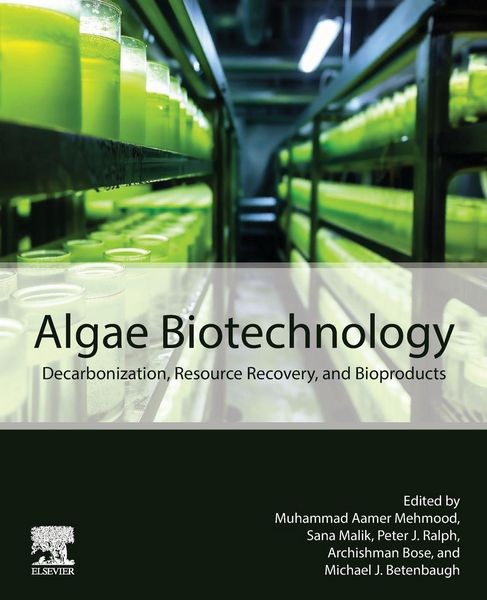
Produktbild: Algae Biotechnology
- 13%

Algae Biotechnology Decarbonization, Resource Recovery, and Bioproducts

13% sparen

194,99 € UVP 225,20 €

inkl. gesetzl. MwSt., Versandkostenfrei


Beschreibung

Algae Biotechnology: Decarbonization, Resource Recovery, and Bioproducts provides a thorough compilation of chapters that focus on carbon capture using microalgae, photosynthetic resource recovery, and the biotransformation of algae biomass into energy and bioproducts. Highlighting unique opportunities...

Beschreibung

Algae Biotechnology: Decarbonization, Resource Recovery, and Bioproducts provides a thorough compilation of chapters that focus on carbon capture using microalgae, photosynthetic resource recovery, and the biotransformation of algae biomass into energy and bioproducts. Highlighting unique opportunities for algae-based carbon capture and bioprocessing, the book offers valuable insights for entrepreneurs and industrialists. It presents contemporary and robust approaches to algae bioprocessing, showcasing its potential applications in various industries. The book also describes the challenges and opportunities of large-scale algae cultivation for decarbonization, clean biomass processing routes, and sustainable production and consumption practices using microalgae.
It emphasizes resource recovery, recycling, and carbon-neutral approaches, aligning with the UN's Sustainable Development Goals related to carbon capture, clean energy, and sustainable production. By providing up-to-date information on advancements in algae cultivation technologies, the book aims to educate readers on the role of microalgae in achieving energy sustainability and addressing global environmental challenges.

Portrait

Professor Muhammad Aamer Mehmood's

research focuses on process optimization for the sustainable utilization of bio-resources, wastewater recycling, resource recovery, and biotransformation of biomass to bioenergy and bioproducts, including biofertilizers, industrial enzymes, and biopolymers employing microalgae/cyanobacteria/fungi as microbial cell factories in a multiproduct biorefinery paradigm. We intend to develop novel low-carbon or carbon-neutral bioprocesses for agriculture and bioindustry while keeping the energy, water, environment, and food nexus sustainable.

Sana Malik's research interests include the development of microalgae and cyanobacteria-based wastewater treatment technologies with concurrent production of high-value bioproducts for food, feed, and fuel applications following a Circular Economy scheme with minimum waste generation maximum resource recovery while keeping the Energy-Water-Environment nexus sustainable. I am also interested in developing carbon-neutral processes and products by harnessing the full potential of algae towards the global agenda of circular economy and net-zero carbon emissions. Peter J. Ralph's research interest encompass

algae-based bioproducts include the production of food, energy, green chemistry, and bio-products using microalgae and macroalgae. Mass-scale algae cultivation to overcome commercialization barriers in the algae-based biotechnology sector. Photosynthetic efficient algae cultivation systems to produce specialty chemicals, toxins, cosmetic components, valuable oils, foods for consumption, feeds for agriculture, nutraceuticals, biologics, vaccines, and small molecules. Bioplastics - both biodegradable and durable (as a C-storage product). Advanced manufacturing linked to Industry 4.0 technology. Algal phenomics uses fully automated high-throughput screening systems. Zero waste approach to advanced biomanufacturing using biorefinery approach.

Archishman Bose's expertise and research interest lies in: Biochemical and Bioprocess Engineering, Biorefining, Circular Bioeconomy Systems, Carbon capture and utilisation, Decarbonisation, Process Design and Feasibility Assessments including techno-economic (TEA) and life cycle assessments (LCA); Sustainability Assessments. he published over 20 peer-reviewed academic journal papers (10 first author publications) and contributed to three book chapters on topics related to microalgal biogas upgrading, techno-economic feasibility and sustainability assessments of low-carbon technologies.

Micheal J. Betenbaugh is a professor of Chemical and Biomolecular Engineering and a lead PI of the Advanced Mammalian Biomanufacturing Innovation Center (AMBIC). He is known for integrating systems biology with cellular, metabolic, and biochemical engineering for eukaryotic biotechnology applications. He led the JHU initiative to be one of the original academic members of the National Institute for Innovation in Manufacturing Biopharmaceuticals (NIIMBL), which uses federal and industry co-funding to fine-tune existing biopharmaceutical manufacturing techniques.

Produktdetails

Einband

Taschenbuch

Erscheinungsdatum

12.11.2025

Herausgeber Muhammad Aamer Mehmood + weitere
Verlag Elsevier Science & Technology

Produktdetails

Einband

Taschenbuch

Erscheinungsdatum

12.11.2025

Herausgeber
Verlag Elsevier Science & Technology
Seitenzahl

464

Maße (L/B/H)

23,6/19/2,4 cm

Gewicht

998 g

Sprache

Englisch

ISBN

978-0-443-34063-5

EU-Ansprechpartner

Elsevier B.V.
Radarweg 29
1043 NX Amsterdam
NL
productsafety@elsevier.com

Herstelleradresse

Elsevier Science & Technology
London Wall 125
EC2Y 5AS London
GB
tradeorders@elsevier.com

Noch keine Bewertungen vorhanden

Verfassen Sie die erste Bewertung zu diesem Artikel

Helfen Sie anderen Kundinnen und Kunden durch Ihre Meinung.

Kundinnen und Kunden meinen

Bewertungen (0)

  • Produktbild: Algae Biotechnology
  • Section I: Algae for decarbonization
    1. Algae-based carbon capture; potential, challenges, opportunities
    2. Integration of algae carbon capture with major carbon emission systems
    3. Carbonomics of large-scale algae cultivation for industrial and environmental applications

    Section II: Algae-based resource recovery
    4: Algae-based resource recovery; potential, challenges, opportunities
    5. Large-scale algae-based recycling of urban wastewater
    6. Large-scale algae-based recycling of heavily contaminated wastewater
    7. Integration of algae-based resource recovery with wastewater treatment systems

    Section III: Bioprocessing of algal biomass to clean energy and bioproducts
    8. Biotransformation of wastewater-grown algae biomass to biogas
    9. Biotransformation of wastewater-grown algae biomass to liquid fuels
    10. Transformation of wastewater-grown algal biomass to industrial biopolymers
    11. Employing wastewater-grown biomass to reclaim the nutritional value of damaged soils
    12. Algae biomass as a feedstock for biological transformation to value-added products

    Section-IV: Emerging trends in Algae biotechnology
    13. Algal phenomics to develop elite algae strains to meet industrial robustness
    14: Algae biotechnology for global space exploration program and terraforming the planets
    15. Algae-driven Industry 4.0
    16. Algae-biotechnology and sustainability development goals; policy-making and global cooperation programs
    17. Large-scale algae cultivation; economic, environmental, and legal aspects