Gutscheinbedingungen

**Gültig nur für Bestellungen an die Wunsch-Poststation bis 10.06.2026 auf Spielzeug, Schreibwaren, Filme, Geschenke & Trends, Musik, tolino eReader & Zubehör, Hörbücher und Hörbuch-Downloads (außer Abo), nicht preisgebundene Bücher und Kalender online auf thalia.at und in der Thalia App. Einzelne Artikel können ausgeschlossen sein. Aufgrund der Buchpreisbindung sind deutschsprachige Bücher und eBooks ausgenommen. Zusätzlich ausgenommen sind preisgebundene Artikel, Abos & Flatrates, eBooks, Games, Geschenkkarten/-boxen, Shelfies, Software, Zeitschriften sowie einzelne Artikel von tonies®. Pro Einkauf einmal einlösbar. Kein Click & Collect möglich. Keine Barauszahlung. Nicht kombinierbar mit anderen Aktionen und Gutscheinen. Gutschein wird auf max. 500€ Bestellwert angerechnet. Nicht gültig für Versandkosten und Services.

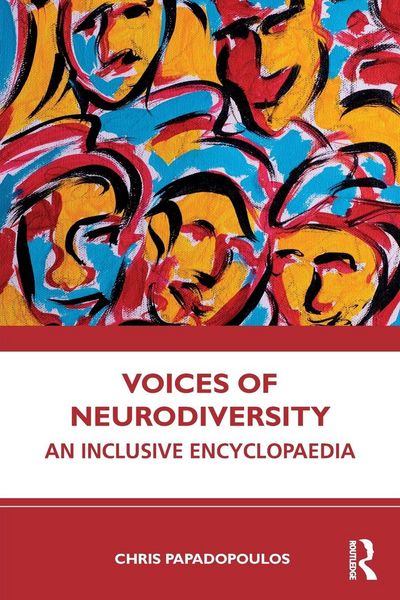
Produktbild: Voices of Neurodiversity

Voices of Neurodiversity An Inclusive Encyclopaedia

53,99 €

inkl. gesetzl. MwSt., Versandkostenfrei


Beschreibung

Produktdetails

Einband

Taschenbuch

Erscheinungsdatum

10.07.2025

Abbildungen

farbige Illustrationen, Raster, farbig

Verlag

Taylor & Francis

Seitenzahl

290

Maße (L/B/H)

23,4/15,6/1,6 cm

Gewicht

445 g

Sprache

Englisch

ISBN

978-1-03-276154-1

Beschreibung

Produktdetails

Einband

Taschenbuch

Erscheinungsdatum

10.07.2025

Abbildungen

farbige Illustrationen, Raster, farbig

Verlag

Taylor & Francis

Seitenzahl

290

Maße (L/B/H)

23,4/15,6/1,6 cm

Gewicht

445 g

Sprache

Englisch

ISBN

978-1-03-276154-1

Herstelleradresse

Libri GmbH
Europaallee 1
36244 Bad Hersfeld
DE

Email: gpsr@libri.de

Kundinnen und Kunden meinen

0 Bewertungen

Informationen zu Bewertungen

Zur Abgabe einer Bewertung ist eine Anmeldung im Konto notwendig. Die Authentizität der Bewertungen wird von uns nicht überprüft. Wir behalten uns vor, Bewertungstexte, die unseren Richtlinien widersprechen, entsprechend zu kürzen oder zu löschen.

Die Bewertungen sind nach Format, Anzahl Sterne und Datum sortiert.

Verfassen Sie die erste Bewertung zu diesem Artikel

Helfen Sie anderen Kund*innen durch Ihre Meinung

Kundinnen und Kunden meinen

0 Bewertungen filtern

Weitere Artikel finden Sie in

  • Produktbild: Voices of Neurodiversity
  • A. Ableism. Absence seizures. Acceptance. Access arrangements. Accessibility. ADHD. Adjustments vs accommodations. Advocacy. Affective empathy. Affiliate stigma. Affinity cycle. Affinity therapy and passion-based therapies. AI and LLMs. Alexithymia. All Age Autism Guidance. Allistic. Allyship. Aloneness. Alternative assessment methods. Angelman syndrome. Animal-assisted therapy. Anthropomorphising. Anomic aphasia. Anxiety. Aphantasia. Aphasia. Appeals. Applied Behavioural Analysis (ABA). Apraxia. Art-based therapy. Articulation difficulties. Autism Spectrum Condition. Autism Spectrum Disorder. #AskingAutistics. Asperger's. Assistive technology. AuDHD. Auditory processing disorder. Auditory sense. Augmentative and alternative communication. Augmented reality. AuSocial. Authentic self. Autigender. Autie. Autism Acceptance Month vs. Autism Awareness Month. Autism parent. Autism. Autism stigma. Autistic community. Autistic flow. Autistic inertia. Autistic Language Hypothesis. Autistic-led. Autistic-led identity support. Autistic-led mental health therapy. Autistic pride. Autonomous Sensory Meridian Response. Autonomy. Autopia. Avoidant/Restrictive Food Intake Disorder. B. Brain-Computer Interfaces (BCIs). Behaviours that challenge. Brain's default mode network. Body doubling. Binaural sound therapy. Bipolar. Bruxism. Bullying. Burnout. C. Camouflaging. Celebration. Challenging behaviour. Children and Families Act 2014. Chronagnosia. Classroom adjustments. Code-switching. Cognitive Behavioural Therapy. Cognitive dissonance. Colour vision deficiency. Communication through behaviour. Community spaces. Competency-based questions vs hypothetical-based questions. Concealment. Communication books and passports. Communication regulation partner. Courtesy stigma. Complex PTSD. Cultural communication. Cultural competence. D. Deadnaming. Dedicated interests. Deflective masking. Demand avoidance. Demand sensitivity. Depression. Diagnosis. Diagnostic overshadowing. Dialectical Behaviour Therapy. Digital Rejection Sensitivity Dysphoria. Digital Twinning. Direct questions. Disability Discrimination Act 1995. Disclosure. Discrimination. Dissociative Identity Disorder (DID). Disability Living Allowance (DLA). Double Empathy Problem. Dyspraxia. Dyscalculia. Dysgraphia. Dyskinesia. Dyslexia. Dysregulation. E. Eating Disorders. Echolalia. Education Act 1996. Educational advocacy. Educational psychologists. EHCPs. Ehlers-Danlos syndrome. Embodied identity. Emotional wellbeing. Emulation. Empathy. Empathic distress. Employee Resource Groups. Empowerment. Employment advocacy. Empty phrases. Enacted stigma. Energy accounting. Entropy. Epilepsy. European Union Disability Strategy 2021-2030. European Union Employment Equality Directive (Council Directive 2000/78/EC). Eugenics. Excoriation disorder. Executive functioning. F. Fake cures. Felt stigma. Fibromyalgia. Filicide. Fragile X. Functional neurological disorder. Functioning labels. Further education colleges. G. Global developmental delay. Gustatory sense. H. Hand flapping. Hate crime. Head banging. High pressure socialising. Homeschooling. Humiliation. Hybrid learning. Hyperacusis. Hyperempathy. Hypercontrol. Hyperfocus. Hyperosmia. Hyperphantasia. Hyperplasticity. Hyperlexia. Hypersensitivity and hyposensitivity. I. Identification vs diagnosis. Identity-first language. Illegal so-called 'cures'. Imposter syndrome. Inclusive design. Inclusive education. Independent or non-maintained special schools. Infanticide. Infantilisation. Infodumping. Inner monologue. Integrated Care Boards. Internalised ableism. Interoception. Interoceptive alexithymia. Intersectionality. Intrusive memories. Intrusive thoughts. Invisible disability. L. Language processing disorder. Late diagnosis. Learning disabilities and learning difficulties. Legal advocacy. Letter boarding. Literal thinking. Loneliness. M. Mainstream schools with SEN support. Masking. Mate crime. Media representation. Mediation. Medical model of disability. Meerkat mode. Meltdown. Mental Capacity Act 2005. Mimicry. Minimally speaking people. Minority and intersectional minority stress. Mirror-touch synaesthesia. Misgendering. Misophonia. Monotropism. Monotropic split. Multigenerational trauma. Multiply neurodivergent. Music therapy. Myalgic encephalomyelitis (ME). N. Neurodiversity-aware curriculum design. Nesting. Neurobabbles. Neuroclearin. Neurocosmopolitanism. Neurodivergent and neurodivergence. Neurodivergent-affirming. Neurodiversity. Neurofibromatosis. Neuro-futurism. Neuroharmony. Neurokin. Neurokin magnetism. Neurology. Neuronormativity. Neurophobia. Neuroplasticity. Neuroqueering and neuroqueerness. Neurospicy. Nociceptive sense. Nomatnesia. Non-speaking people. O. Obsessions. Obsessive Compulsive Disorder (OCD). Occupational therapy. Olfactory sense. Oliver McGowan training. Online learning. Onychophagia. Outness. Overstimulation and understimulation. P. Panic attack. Parallel play and interactive play. Parent and family advocacy. Parkinson's. PDD-NOS. Peer advocacy. Peer education. Peer mentorship. Periventricular Nodular Heterotopia (PVNH). Person-first language. Personal Independence Payment (PIP). Phantom sensations. Phelan-McDermid Syndrome. Phonological process problems. Pica. Premenstrual Dysphoric Disorder (PMDD). Polytropism. Post-Traumatic Stress Disorder (PTSD). Power of Attorney. Prader-Willi syndrome. Precrastination. Prejudice. Presuming competence. Procrastination. Profound and multiple learning disability (PMLD). Professional stigma. Proprioception. Prosody. Prosopagnosia. Pseudobulbar affect. Pseudothymia. Psychological wellbeing. Psychosis. Public stigma. Pupil Referral Units. R. Reasonable adjustments. Regressive autism. Rejection Sensitivity Dysphoria. Repetitive behaviours. Resilience. Resource-based schools. Rett syndrome. Rhizomatic communities. S. Safe spaces. Saviour syndrome. Schizophrenia and schizoaffective disorder. Scripting. Selective mutism. Self-acceptance. Self-advocacy. Self-harm. Self-medication. Self-regulation. Self-stigma. Special Educational Needs and Disabilities. Special Educational Needs Coordinator. SEND code of practice. Sensory assessments. Sensory avoidant. Sensory crisis. Sensory integration. Sensory gardens. Sensory overload. Sensory processing. Sensory processing differences vs sensory processing disorder. Sensory rooms. Sensory seeking. Sensory-specific satiety. Sensory synergia. Sensory trauma. Shutdown. Six-second rule. Social anxiety. Social capital. Social communication. Social exclusion. Social fatigue. Social hangover. Social model of disability. Social Services and Well-being (Wales) Act 2014. Social stories. Societal stigma. Somatic alexithymia. Special Educational Needs and Disability Act 2001. Special interests. Special schools. Specialist colleges. Speech dysfluency. Speech and language therapy. Speech-sound difficulties. Spoon theory. Spoon extending. Stimming. Strengths-based approach. Structural stigma. Stuttering. Suicidal ideation. Sunflower lanyard. Synaesthesia. T. Tactile sense. The Autism Act 2009. The Care Act 2014. The Children and Families Act 2014. The Equality Act 2010. The Human Rights Act 1998. The Mental Health Act 1983. The National Strategy for Autistic Children, Young People and Adults: 2021 to 2026. Theory of Mind. Thermoceptive sense. Tickertape synaesthesia. Tourette's. Transitions. Trauma. Tribunals. Trichotillomania. Triggers. Triple empathy. U. United Nations Convention on the Rights of Persons with Disabilities (CRPD). Unintentional stigma. V. Vestibular sense. Victimisation. Virtual reality. Visual processing disorder. Visual sense. Voiced empathy. W. Wearables. Wider autism community. Williams syndrome.