KI-Beratung Beta

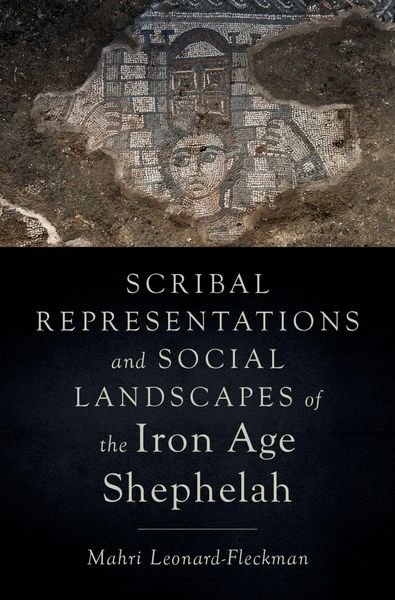
Produktbild: Scribal Representations and Social Landscapes of the Iron Age Shephelah

Scribal Representations and Social Landscapes of the Iron Age Shephelah

74,60 €

inkl. gesetzl. MwSt.

Beschreibung

The Shephelah borderlands in the southwestern region of Iron Age Israel (ca. 1200-586 BCE) are one of the most intensely excavated areas in the world, a complex social-political place standing between the central highlands and the coastal home of the so-called biblical "Philistines." Yet the lives of...

Beschreibung

The Shephelah borderlands in the southwestern region of Iron Age Israel (ca. 1200-586 BCE) are one of the most intensely excavated areas in the world, a complex social-political place standing between the central highlands and the coastal home of the so-called biblical "Philistines." Yet the lives of these people on the margins of ancient Israel are lost to us today, left only in the fragments of archaeological remains and in the Bible's entangled representations of the proximate Other. In Scribal Representations and Social Landscapes of the Iron Age Shephelah, Mahri Leonard-Fleckman delves into how the Other is created and fashioned in ancient witnesses to these regions by analyzing identity in the Iron Age Shephelah. Focusing on two contemporary archaeological sites with plausible ancient connections, Tel Batash (ancient Timnah) and Tell es-Safi (ancient Gath), she journeys through texts and archaeology that bear witness to the social and political complexities of the region. Significantly, she presents irresolution as a practice for scholars of the Hebrew Bible and the ancient Levant and illustrates how resisting conclusions can be an asset to investigating the distant past. Along the way, she advances new hypotheses that illuminate biblical passages describing individuals and communities from the regionâsuch as the stereotypical Philistines, Samson, Tamar, Delilah, and others. The book draws together a range of critical perspectives to spark compelling conversations about identity and history between anthropologists, archaeologists, biblical scholars, literary theorists, and historians.

Produktdetails

Format

PDF

Kopierschutz

Ja

Family Sharing

Nein

Text-to-Speech

Nein

Produktdetails

Format

PDF

Format

eBooks im PDF-Format haben eine festgelegte Seitengröße und eignen sich daher nur bedingt zum Lesen auf einem tolino eReader oder Smartphone. Für den vollen Lesegenuss empfehlen wir Ihnen bei PDF-eBooks die Verwendung eines Tablets oder Computers.

Kopierschutz

Ja

Kopierschutz

Zum Lesen dieses eBooks auf Geräten der tolino Familie sowie auf sonstigen eReadern und am PC benötigen Sie eine ByteBook-ID. Weitere Hinweise zum Lesen von kopiergeschützten eBooks finden Sie unter Hilfe/Downloads.

Family Sharing

Nein

Family Sharing

Mit Family Sharing können Sie eBooks innerhalb Ihrer Familie (max. sechs Mitglieder im gleichen Haushalt) teilen. Sie entscheiden selbst, welches Buch Sie mit welchem Familienmitglied teilen möchten. Auch das parallele Lesen durch verschiedene Familienmitglieder ist durch Family Sharing möglich. Um eBooks zu teilen oder geteilt zu bekommen, muss jedes Familienmitglied ein Konto bei Thalia oder einem anderen tolino-Buchhändler haben. Weitere Informationen finden Sie unter Hilfe/Family-Sharing.

Text-to-Speech

Nein

Text-to-Speech

Bedeutet Ihnen Stimme mehr als Text? Mit der Funktion Text-to-Speech können Sie sich im tolino webReader und in der aktuellen Thalia – Lesen & Hören App das eBook vorlesen lassen. Weitere Informationen finden Sie unter Hilfe/Text-to-Speech.

Erscheinungsdatum

17.01.2025

Verlag Oxford University Press
Seitenzahl

256 (Printausgabe)

Dateigröße

13122 KB

Sprache

Englisch

EAN

9780197652978

Barrierefreiheit
  • keine Information zur Barrierefreiheit bekannt

Noch keine Bewertungen vorhanden

Verfassen Sie die erste Bewertung zu diesem Artikel

Helfen Sie anderen Kundinnen und Kunden durch Ihre Meinung.

Kundinnen und Kunden meinen

Bewertungen (0)

Weitere Artikel finden Sie in

Die Leseprobe wird geladen.
  • Produktbild: Scribal Representations and Social Landscapes of the Iron Age Shephelah