KI-Beratung Beta

Gutscheinbedingungen

**Gültig am 20.11.2026 ab einem Mindestbestellwert von 30€ auf Spielzeug, Schreibwaren, Filme, Geschenke & Trends, Musik, tolino eReader & Zubehör, Hörbücher und Hörbuch-Downloads, nicht preisgebundene Bücher und Kalender online auf thalia.at und in der Thalia App. Einzelne Artikel können ausgeschlossen sein. Aufgrund der Buchpreisbindung sind deutschsprachige Bücher und eBooks ausgenommen. Zusätzlich ausgenommen sind Abos & Flatrates, Games, Geschenkkarten/-boxen, Shelfies, Software, Zeitschriften sowie einzelne Artikel von tonies®. Pro Einkauf einmal einlösbar. Click & Collect nur bei Onlinevorabzahlung möglich. Keine Barauszahlung. Nicht kombinierbar mit anderen Aktionen und Gutscheinen. Gutschein wird auf max. 500€ Bestellwert angerechnet. Nicht gültig für Versandkosten und Services. Preisgebundene Artikel sind vom Mindestbestellwert ausgeschlossen.

Produktbild: The Evidence for Psychodynamic Psychotherapy

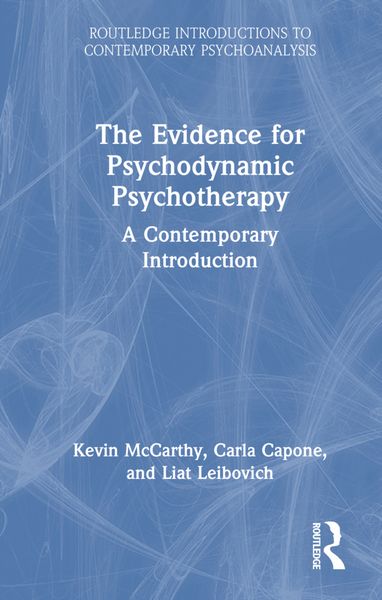
The Evidence for Psychodynamic Psychotherapy A Contemporary Introduction

229,99 €

inkl. gesetzl. MwSt., Versandkostenfrei


Beschreibung

This book delivers a concise yet comprehensive introduction to the evidence for psychodynamic psychotherapy through explanations of research organized around therapy processes relevant to practicing clinicians and informed researchers.

Each chapter presents an event within dynamic therapy, from interpretation...

Beschreibung

This book delivers a concise yet comprehensive introduction to the evidence for psychodynamic psychotherapy through explanations of research organized around therapy processes relevant to practicing clinicians and informed researchers.

Each chapter presents an event within dynamic therapy, from interpretation to termination, along with a narrative to help readers understand the why and the how of the process. Written in accessible and engaging language, each short chapter is a synthesis of findings in each topic area, going beyond subjects interesting only to researchers to aspects of practice relevant to therapists of all schools of thought.

The Evidence for Psychodynamic Psychotherapy is written for therapists to pick up and put down between clients, for mental health researchers to quickly find support for a point they wish to make, and for educators to assign brief readings to bolster students' confidence in dynamic therapy.

Produktdetails

Einband

Gebundene Ausgabe

Erscheinungsdatum

16.04.2025

Abbildungen

22 Tabellen

Verlag Taylor & Francis

Produktdetails

Einband

Gebundene Ausgabe

Erscheinungsdatum

16.04.2025

Abbildungen

22 Tabellen

Verlag Taylor & Francis
Seitenzahl

174

Maße (L/B)

19,8/12,9 cm

Gewicht

260 g

Sprache

Englisch

ISBN

978-1-03-234642-7

EU-Ansprechpartner

Taylor & Francis Verlag GmbH
Kaufingerstraße 24
80331 München
DE
GPSR@taylorandfrancis.com

Herstelleradresse

Taylor & Francis Group
5 Howick Place
SW1P 1WG London
UK
GPSR@taylorandfrancis.com

Noch keine Bewertungen vorhanden

Verfassen Sie die erste Bewertung zu diesem Artikel

Helfen Sie anderen Kundinnen und Kunden durch Ihre Meinung.

Kundinnen und Kunden meinen

Bewertungen (0)

Die Leseprobe wird geladen.
  • Produktbild: The Evidence for Psychodynamic Psychotherapy
  • Part 1: Foundations  1. Defining Psychodynamic Therapy  2. Scientific Philosophies and Psychodynamic Therapy   3. Outcomes in Psychodynamic Therapy  Part 2: Therapeutic Relationship: Evidence in Psychodynamic Pychotherapy: A Contemporary Introduction  4. Transference in Psychodynamic Psychotherapy  5. Countertransference in Psychodynamic Psychotherapy  6. Therapeutic Alliance in Psychodynamic Psychotherapy  7. Alliance Rupture and Repair in Psychodynamic Psychotherapy  8. Real Relationship in Psychodynamic Psychotherapy  Part 3: Interventions: Evidence in Psychodynamic Pychotherapy: A Contemporary Introduction  9. Supportive Techniques in Psychodynamic Psychotherapy  10. Expressive Techniques in Psychodynamic Psychotherapy  Part 4: Time: Evidence in Psychodynamic Pychotherapy: A Contemporary Introduction  11. Socialization in Psychodynamic Psychotherapy  12. Working Through in Psychodynamic Psychotherapy  13. Termination in Psychodynamic Psychotherapy  14. Time-Limited Psychodynamic Psychotherapy  Part 5: Mechanisms: Evidence in Psychodynamic Pychotherapy: A Contemporary Introduction  15. Insight in Psychodynamic Psychotherapy  16. Defenses in Psychodynamic Psychotherapy  17. Attachment in Psychodynamic Psychotherapy  18. Quality of Object Relations in Psychodynamic Psychotherapy  19. Mentalization in Psychodynamic Psychotherapy  20. Brain Changes in Psychodynamic Psychotherapy  Part 6: Adaptations: Evidence in Psychodynamic Pychotherapy: A Contemporary Introduction  21. Children and Adolescents in Psychodynamic Psychotherapy  22. Indentity Diversity in Psychodynamic Psychotherapy