Jane Austen, Virginia Woolf and Worldly Realism
-
- Hardcover
- Taschenbuch
- eBook ausgewählt
-
Form:Einzelkauf Download
-
Sprache:Englisch
-
eBook Format:PDF
- PDF 0,00 € ausgewählt
- ePUB 80,20 €
0,00 €
inkl. gesetzl. MwSt.Artikel erhalten
Beschreibung
Produktdetails
Format
Kopierschutz
Ja
Family Sharing
Ja
Text-to-Speech
Nein
Erscheinungsdatum
01.11.2017
Verlag
Edinburgh University PressSeitenzahl
(Printausgabe)
Dateigröße
1234 KB
Sprache
Englisch
EAN
9781474423533
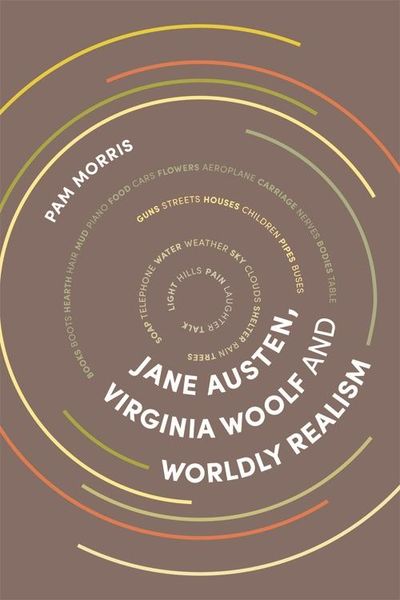
Who would have expected Jane Austen to be up-to-date on gun technology or Virginia Woolf to recognise the class politics of plumbing?
Austen and Woolf are materialists, this book argues. 'Things' in their novels give us entry into some of the most contentious issues of the day. This wholly materialist understanding produces worldly realism, an experimental writing practice which asserts egalitarian continuity between people, things and the physical world. This radical redistribution of the importance of material objects and biological existence, challenges the traditional idealist hierarchy of mind over matter that has justified gender, class and race subordination. Entering their writing careers at the critical moments of the French Revolution and the First World War respectively, and sharing a political inheritance of Scottish Enlightenment scepticism, Austen's and Woolf's rigorous critiques of the dangers of mental vision unchecked by facts is more timely than ever in the current world dominated by fundamentalist neo-liberal, religious and nationalist belief systems.
Key Features
- The book uses close readings from Sense and Sensibility, Mrs Dalloway, Emma, The Waves, Persuasion and The Years to demonstrate the materialist sensibilities of Austen and Woolf
- It traces the anti-individualism of their view of self and consciousness as deriving from embodied experience
- Each chapter foregrounds the constitutive interrelationship of things, people, social and physical worlds
- The book reconceptualises a progressive view of realism - worldly realism - drawing upon Jacques Rancière's thesis that a new democratic aesthetic regime is inaugurated around the end of the eighteenth century
Noch keine Bewertungen vorhanden
Verfassen Sie die erste Bewertung zu diesem Artikel
Helfen Sie anderen Kundinnen und Kunden durch Ihre Meinung.
Kurze Frage zu unserer Seite
Vielen Dank für Ihr Feedback
Wir nutzen Ihr Feedback, um unsere Produktseiten zu verbessern. Bitte haben Sie Verständnis, dass wir Ihnen keine Rückmeldung geben können. Falls Sie Kontakt mit uns aufnehmen möchten, können Sie sich aber gerne an unseren Kund*innenservice wenden.
zum Kundenservice