Gutscheinbedingungen

**Gültig bis 04.08.2026 ab einem Mindestbestellwert von 30€ auf Spielzeug, Schreibwaren, Filme, Geschenke & Trends, Musik, tolino eReader & Zubehör, Hörbücher und Hörbuch-Downloads (außer Abo), nicht preisgebundene Bücher und Kalender online auf thalia.at und in der Thalia App. Einzelne Artikel können ausgeschlossen sein. Aufgrund der Buchpreisbindung sind deutschsprachige Bücher und eBooks ausgenommen. Zusätzlich ausgenommen sind preisgebundene Artikel, Abos & Flatrates, eBooks, Games, Geschenkkarten/-boxen, Shelfies, Software, Zeitschriften sowie einzelne Artikel von tonies®. Pro Einkauf einmal einlösbar. Click & Collect nur bei Onlinevorabzahlung möglich. Keine Barauszahlung. Nicht kombinierbar mit anderen Aktionen und Gutscheinen. Gutschein wird auf max. 500€ Bestellwert angerechnet. Nicht gültig für Versandkosten und Services. Preisgebundene Artikel sind vom Mindestbestellwert ausgeschlossen.

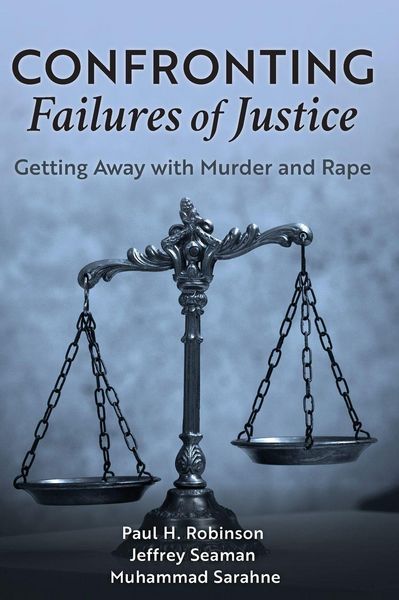
Produktbild: Confronting Failures of Justice

Confronting Failures of Justice Getting Away with Murder and Rape

142,99 €

inkl. gesetzl. MwSt., Versandkostenfrei


Beschreibung

Produktdetails

Einband

Gebundene Ausgabe

Altersempfehlung

18 - 80 Jahr(e)

Erscheinungsdatum

15.08.2024

Verlag

Rowman & Littlefield

Seitenzahl

588

Maße (L/B/H)

26/18,3/3,6 cm

Gewicht

1211 g

Sprache

Englisch

ISBN

978-1-5381-9176-7

Beschreibung

Produktdetails

Einband

Gebundene Ausgabe

Altersempfehlung

18 - 80 Jahr(e)

Erscheinungsdatum

15.08.2024

Verlag

Rowman & Littlefield

Seitenzahl

588

Maße (L/B/H)

26/18,3/3,6 cm

Gewicht

1211 g

Sprache

Englisch

ISBN

978-1-5381-9176-7

Herstelleradresse

Libri GmbH
Europaallee 1
36244 Bad Hersfeld
DE

Email: gpsr@libri.de

Noch keine Bewertungen vorhanden

Verfassen Sie die erste Bewertung zu diesem Artikel

Helfen Sie anderen Kundinnen und Kunden durch Ihre Meinung.

Kundinnen und Kunden meinen

Bewertungen (0)

Die Leseprobe wird geladen.
  • Produktbild: Confronting Failures of Justice
  • Acknowledgments
    Chapter 1: Getting Away with Murder and Rape
    A. Introduction: Failures of Justice
    B. The Causes of Justice Failures
    C. The Frequency and Seriousness of Justice Failures
    D. Case Examples and the Public Reaction to Them
    E. The Costs of Justice Failures
    F. Systemic Indifference to Justice Failures
    G. A New Look at the Competing Interests and Imagining Reforms
    Part I: Criminal Liability Rules
    Chapter 2: Legal Bars to Prosecution
    A. Statutes of Limitation
    B. Double Jeopardy
    C. Diplomatic Immunity
    D. The Legality Principle and the Rule of Strict Construction
    Chapter 3: Anti-Justice Distributive Principles
    A. Deontological Desert as a Distributive Principle
    B. Doing Justice as the Most Effective Means of Controlling Crime: Maximizing the Criminal Law's Moral Credibility with the Community
    C. The Problems with General Deterrence and Incapacitation of the Dangerous as Distributive Principles
    D. Public Complaints Regarding Anti-Justice Distributive Principles
    E. Reforms
    F. Recommendation: Adopt the MPC Revision that Sets Desert as the Inviolate Distributive Principle
    Part II: Limitations on Criminal Investigation
    Chapter 4: Investigative Errors
    A. Case Example: O. J. Simpson
    B. Case Example: Kenneth "Exxon" Davis
    C. Competing Interests
    D. The Nature and Extent of the Problem
    E. Public Complaints About Investigative Failures
    F. Reforms
    G. Recommendation: Create a National Center for Crime Investigation Effectiveness (CCIE) to Establish Best Practices and Assist Departments in Meeting Them
    Chapter 5: Inadequate Financing
    A. Introduction
    B. Competing Interests
    C. The Nature and Extent of the Problem
    D. Public Complaints
    E. Past Reform Efforts
    F. Reform Possibilities
    G. Recommendation: Create a National Center for Crime Investigation Effectiveness (CCIE) to Assist Departments in Obtaining Funding to Meet Practices
    Chapter 6: Legal Limitations on Police Investigation
    A. Search and Seizure Rules
    B. Custodial Interrogation Rule
    Chapter 7: Restraints on Use of Technology
    A. Competing Interests
    B. Public Views on Investigative Use of Technology
    C. Restraints on the Use of Biometrics and Forensics (Such as DNA)
    D. Restraints on the Use of Surveillance Technologies (Including CCTV)
    E. Restraints on the Use of Data Analytics (Including Facial Recognition Software)
    Part III: Criminal Justice Adjudication Procedures
    Chapter 8: Excluding Reliable and Probative Evidence
    A. Excluding Reliable Evidence to Restrain Police and Prosecutors (the Exclusionary Rule)
    B. Excluding Reliable Probative Evidence to Avoid "Prejudice"
    Chapter 9: Pretrial Procedures
    A. Pretrial Release
    B. Speedy Trial Rules
    Chapter 10: Plea Bargaining
    A. Introduction
    B. Competing Interests
    C. The Nature and Extent of the Problem
    D. Public Complaints
    E. Reforms
    F. Recommendation: Use Consolidated Offense Drafting with Particularized Offense Grades to Reduce the Justice-Frustrating Costs of Plea Bargains
    Chapter 11: Unchecked Judicial Sentencing Discretion
    A. Introduction
    B. Competing Interests
    C. The Nature and Extent of the Problem
    D. When Judicial Sentencing Discretion Damages the Criminal Law's Moral Credibility: The Example of Rape
    E. Public Complaints About Unchecked Judicial Sentencing Discretion
    F. Reforms
    G. Recommendation: Adopt Comprehensive Presumptive Sentencing Guidelines (as in the Federal System)
    Chapter 12: Early Release on Parole and Compassionate Release
    A. Early Release on Parole
    B. Compassionate Release
    Chapter 13: Executive Clemency and Pardon
    A. Introduction
    B. Competing Interests
    C. The Nature and Extent of the Problem
    D. Public Complaints
    E. Reforms
    F. Recommendation: Adopt Model Pardon Board to Reduce Clemency Abuse and Promote Transparency
    Part IV: Social and Political Influences
    Chapter 14: Citizen Non-Cooperation
    A. Introduction
    B. Witness Intimidation
    C. The Stop Snitching Movement
    D. Cynicism About Criminal Justice Effectiveness
    E. Community Upset over Police Use of Force: The False Narrative Problem
    F. Recommendation: Create a Police-Community Oversight Commission that Will Help Police Earn Credibility with the Community and Promote Community Cooperation with Police
    Chapter 15: Police Non-Intervention
    A. Competing Interests
    B. Anti-Police Rhetoric and Attacks on Police
    C. Depolicing: Defunding Police and Police Exclusion Zones
    D. Police Demoralization: Early Retirements and Hiring Difficulties
    E. Voluntary Police Non-Intervention: The Ferguson Effect
    F. Reforms to Reduce Police Non-Intervention
    G. Recommendation: Create a Police-Community Oversight Commission that Will Earn Credibility with the Police
    Chapter 16: Anti-Justice Ideological Movements
    A. Decarceration, Decriminalization, and Prison Abolition Movements
    B. Ideologically Motivated Nonenforcement Policies
    Chapter 17: Insights, Patterns & Reform Priorities
    A. Why We Should Care About Justice Failures and Why Some Don't
    B. Balancing Competing Interests
    C. Reform Priorities
    Appendix: Discussion Issues
    Notes
    Selected Bibliography
    Index
    About the Authors