KI-Beratung Beta

Gutscheinbedingungen

**Gültig am 01.10.2026 ab einem Mindestbestellwert von 30€ auf Spielzeug, Schreibwaren, Filme, Geschenke & Trends, Musik, tolino eReader & Zubehör, Hörbücher und Hörbuch-Downloads, nicht preisgebundene Bücher und Kalender online auf thalia.at und in der Thalia App. Einzelne Artikel können ausgeschlossen sein. Aufgrund der Buchpreisbindung sind deutschsprachige Bücher und eBooks ausgenommen. Zusätzlich ausgenommen sind Abos & Flatrates, Games, Geschenkkarten/-boxen, Shelfies, Software, Zeitschriften sowie einzelne Artikel von tonies®. Pro Einkauf einmal einlösbar. Click & Collect nur bei Onlinevorabzahlung möglich. Keine Barauszahlung. Nicht kombinierbar mit anderen Aktionen und Gutscheinen. Gutschein wird auf max. 500€ Bestellwert angerechnet. Nicht gültig für Versandkosten und Services. Preisgebundene Artikel sind vom Mindestbestellwert ausgeschlossen.

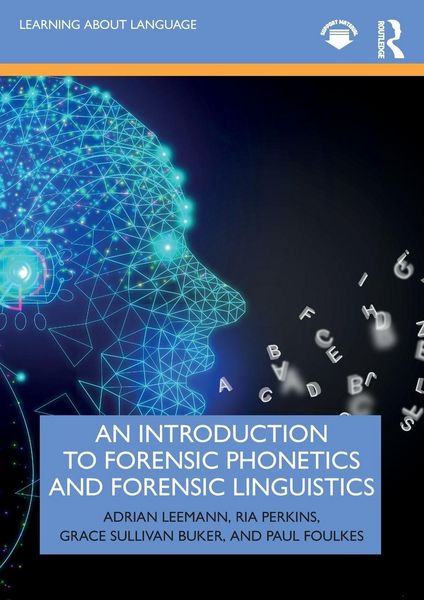
Produktbild: An Introduction to Forensic Phonetics and Forensic Linguistics

An Introduction to Forensic Phonetics and Forensic Linguistics

Aus der Reihe Learning about Language

44,99 €

inkl. gesetzl. MwSt., Versandkostenfrei


Beschreibung

Produktdetails

Einband

Taschenbuch

Erscheinungsdatum

17.12.2024

Abbildungen

51 SW-Abb., 28 SW-Fotos, 23 SW-Zeichn., 17 Tabellen

Verlag

Taylor & Francis

Seitenzahl

324

Maße (L/B/H)

24,6/17,4/1,8 cm

Gewicht

579 g

Sprache

Englisch

ISBN

978-0-367-61657-1

Beschreibung

Rezension

"An Introduction to Forensic Phonetics and Forensic Linguistics is an authoritative and timely introduction to the use of linguistic science in the courtroom, providing the theoretical background and a practical discussion of the intricacies of speaker identification, earwitness accuracy, dialect variation, and other evidentiary issues. This book will be of value to experts in the fields of linguistics and phonetics, as a guide to solid forensic practices, and also to those present in the courtroom, as a caution against inferring greater reliability than an expert has claimed. Academics in these fields have been waiting for years for a book of this calibre to appear."

Sandra Ferrari Disner, University of Southern California, USA

"This is a well-designed textbook covering a wide range of topics in an engaging and accessible way, with interesting case-studies and plenty of exercises - all with suggested answers. It offers a valuable way to set beginners up to delve more deeply into the legal and scientific challenges of using language as forensic evidence. Highly recommended, not just for classes but for anyone with a general interest in forensic phonetics and linguistics."

Prof. Helen Fraser - Director, Research Hub for Language in Forensic Evidence, University of Melbourne

Produktdetails

Einband

Taschenbuch

Erscheinungsdatum

17.12.2024

Abbildungen

51 SW-Abb., 28 SW-Fotos, 23 SW-Zeichn., 17 Tabellen

Verlag

Taylor & Francis

Seitenzahl

324

Maße (L/B/H)

24,6/17,4/1,8 cm

Gewicht

579 g

Sprache

Englisch

ISBN

978-0-367-61657-1

EU-Ansprechpartner

Taylor & Francis Verlag GmbH
Kaufingerstraße 24
80331 München
DE
GPSR@taylorandfrancis.com

Herstelleradresse

Taylor & Francis Group
5 Howick Place
SW1P 1WG London
UK
GPSR@taylorandfrancis.com

Noch keine Bewertungen vorhanden

Verfassen Sie die erste Bewertung zu diesem Artikel

Helfen Sie anderen Kundinnen und Kunden durch Ihre Meinung.

Kundinnen und Kunden meinen

Bewertungen (0)

Die Leseprobe wird geladen.
  • Produktbild: An Introduction to Forensic Phonetics and Forensic Linguistics
  • About the authors

    Acknowledgments

    Copyright credits

    Chapter 1: Introduction to the book

    Chapter 2: Introduction to phonetic analysis

    Chapter 3: Speaker profiling

    Chapter 4: Speaker comparison

    Chapter 5: Earwitness evidence

    Chapter 6: Authentication, enhancement, and speech content determination

    Chapter 7: Linguistic analysis in the asylum procedure (LAAP)

    Chapter 8: Grounding theory - Introduction to linguistic analysis

    Chapter 9: Language and meaning

    Chapter 10: Language of the judicial process

    Chapter 11: Authorship profiling

    Chapter 12: Comparative authorship analysis

    Chapter 13: Expert witnesses

    Index