
KI-Beratung Beta

Gutscheinbedingungen

**Gültig bis 18.11.2026 auf englischsprachige Klassiker (klassiker-32728) online auf thalia.at und in der Thalia App. Einzelne Artikel können ausgeschlossen sein. Ausgenommen sind preisgebundene Artikel & eBooks. Pro Einkauf einmal einlösbar. Click & Collect nur bei Onlinevorabzahlung möglich. Keine Barauszahlung. Nicht kombinierbar mit anderen Aktionen und Gutscheinen. Gutschein wird auf max. 500€ Bestellwert angerechnet. Nicht gültig für Geschenkkarten, Versandkosten und Services.

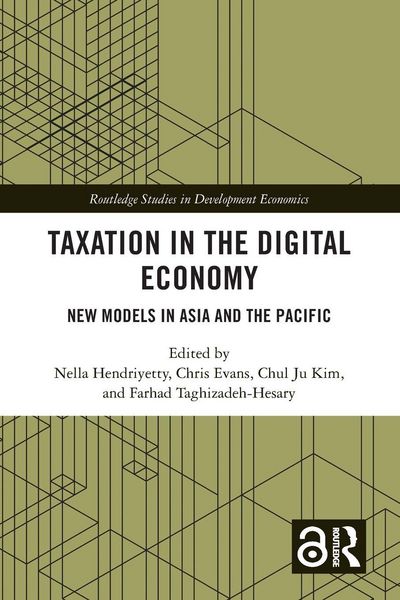
  • Produktbild: Taxation in the Digital Economy
  • Produktbild: Taxation in the Digital Economy

Taxation in the Digital Economy New Models in Asia and the Pacific

62,99 €

inkl. gesetzl. MwSt., Versandkostenfrei


Beschreibung

A robust and efficient tax administration in a modern tax system requires effective tax policies and legislation. Policy frameworks should cover all aspects of tax administration and include the essential processes of capturing, processing, analyzing, and responding to information provided by taxpayers...

Beschreibung

A robust and efficient tax administration in a modern tax system requires effective tax policies and legislation. Policy frameworks should cover all aspects of tax administration and include the essential processes of capturing, processing, analyzing, and responding to information provided by taxpayers and others concerning taxpayers' affairs. By far the greatest challenges facing tax administrations in all countries are those posed by the continuing developments in the digital economy. Whereas societies are grappling to come to terms with the transitions from the third industrial or digital revolutions, revenue authorities grapple with the consequences for the sustainability of their tax bases and the efficient administration and collection of taxes. This book presents a critical review of the status of tax systems in Asia and the Pacific in the era of the digital economy.

The book suggests how countries can maximize their domestic resource mobilization when confronted by the challenges that digitalization inevitably produces, as well as how they can best harness or take advantage of aspects of digitalization to serve their own needs. The full implications of the COVID-19 crisis are still too uncertain to predict, but it is clear that the crisis will accelerate the trend towards digitalization and also increase pressures on public finances. This, in turn, may shape the preference for, and the nature of, both multilateral and unilateral responses to the tax challenges posed by digitalization and the need to address them.

This book will be a timely reference for those researching on taxation in digital economy and for policy makers.

The Open Access version of this book, available at www .taylorfrancis .com, has been made available under a Creative Commons Attribution-Non-Commercial-No Derivatives 4.0 license.

Produktdetails

Einband

Taschenbuch

Erscheinungsdatum

29.01.2024

Abbildungen

59 SW-Abb., 59 SW-Zeichn., 24 Tabellen

Herausgeber Nella Hendriyetty + weitere

Produktdetails

Einband

Taschenbuch

Erscheinungsdatum

29.01.2024

Abbildungen

59 SW-Abb., 59 SW-Zeichn., 24 Tabellen

Herausgeber
Verlag Taylor & Francis
Seitenzahl

352

Maße (L/B/H)

23,4/15,6/1,9 cm

Gewicht

535 g

Sprache

Englisch

ISBN

978-1-03-205104-8

Herstelleradresse

Libri GmbH
Europaallee 1
36244 Bad Hersfeld
DE

Email: GPSR Kontakt

Noch keine Bewertungen vorhanden

Verfassen Sie die erste Bewertung zu diesem Artikel

Helfen Sie anderen Kundinnen und Kunden durch Ihre Meinung.

Kundinnen und Kunden meinen

Bewertungen (0)

Die Leseprobe wird geladen.
  • Produktbild: Taxation in the Digital Economy
  • Produktbild: Taxation in the Digital Economy
  • Introduction: New Frontiers for Tax in the Digital Age PART I: INTRODUCTION AND OVERVIEW 1. Tapping Taxes: Digital Disruption and Revenue Administration Responses 2. Artificial Intelligence and Tax Administration in Asia and the Pacific 3. Taxing the Digitalized Economy: An Emerging Markets' Perspective 4. Developing a Cooperative Compliance Model for Developing Economies: Justification, Prerequisites, and Administrative Design PART II: VISIONS AND CHALLENGES OF DIGITAL TAXATION: CASE STUDIES FROM ASIA AND THE PACIFIC 5. The People's Republic of China's Tax Reform in the Digital Economy: Progress and Challenges 6. Blockchain and Its Implications for Tax Administration in the People's Republic of China 7. The Role of International Collaboration in Digital Services and Tax Compliance in India 8. Digitally Prepared? The Journeys of the Revenue Administrations in Australia and New Zealand 9. Digitization of the Tax Administration and Its Achievements in the Republic of Korea 10. Cross-Border Digital Taxation Challenges: Indonesia's Practices and Perspectives 11. The Role of Government Reform in Improving Voluntary Tax Compliance in the Digital Economy: The Bangladesh Experience 12. Future Vision of Japan's Tax Administration: Aspirations for a Smart Administration 13. Resolving Disputed Tax Issues through an Online Negotiation Platform: The Influence of Partner Negotiation Objectives and Communication Style on Negotiation Outcome