Beschreibung
Produktdetails
Einband
Gebundene Ausgabe
Erscheinungsdatum
01.04.2024
Verlag
WileySeitenzahl
224
Maße (L/B/H)
25,4/17,8/1,4 cm
Gewicht
610 g
Sprache
Englisch
ISBN
978-1-394-25153-7
Understand the key principles of programming languages
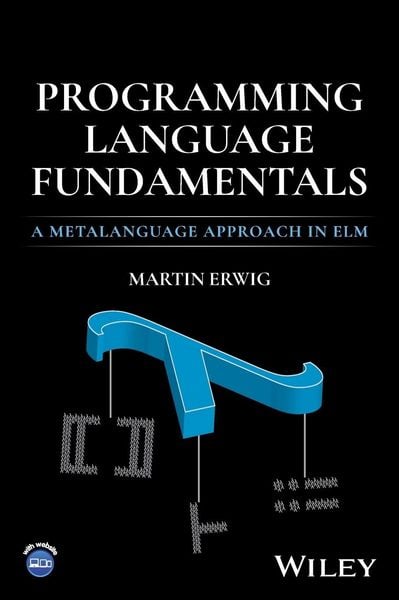
Programming languages are the tools needed to let algorithms run on electronic computers. As they form the linguistic interface between humans and machines, the understanding of programming languages is essential for being able to control machine behavior. Programming Language Fundamentals offers a precise, comprehensive introduction to the principles that are the basis of most programming languages. Explaining both functional programming and logic programming, it presents a broad perspective on programming and constitutes an indispensable introduction to the foundations of programming languages.
Programming Language Fundamentals readers will also find:
- Introduction to Elm as a metalanguage to encourage thinking and experimenting with programming languages in a formal way
- Detailed discussion of topics including abstract syntax, semantics, types, and more
- In-depth explanations of key concepts such as scope and parameter passing
Programming Language Fundamentals is ideal for undergraduate students in computer science, as well as researchers and practitioners working with programming languages who are looking to broaden their understanding of the field.
Noch keine Bewertungen vorhanden
Verfassen Sie die erste Bewertung zu diesem Artikel
Helfen Sie anderen Kundinnen und Kunden durch Ihre Meinung.
Kurze Frage zu unserer Seite
Vielen Dank für Ihr Feedback
Wir nutzen Ihr Feedback, um unsere Produktseiten zu verbessern. Bitte haben Sie Verständnis, dass wir Ihnen keine Rückmeldung geben können. Falls Sie Kontakt mit uns aufnehmen möchten, können Sie sich aber gerne an unseren Kund*innenservice wenden.
zum Kundenservice