KI-Beratung Beta

Gutscheinbedingungen

**Gültig bis 18.11.2026 auf englischsprachige Klassiker (klassiker-32728) online auf thalia.at und in der Thalia App. Einzelne Artikel können ausgeschlossen sein. Ausgenommen sind preisgebundene Artikel & eBooks. Pro Einkauf einmal einlösbar. Click & Collect nur bei Onlinevorabzahlung möglich. Keine Barauszahlung. Nicht kombinierbar mit anderen Aktionen und Gutscheinen. Gutschein wird auf max. 500€ Bestellwert angerechnet. Nicht gültig für Geschenkkarten, Versandkosten und Services.

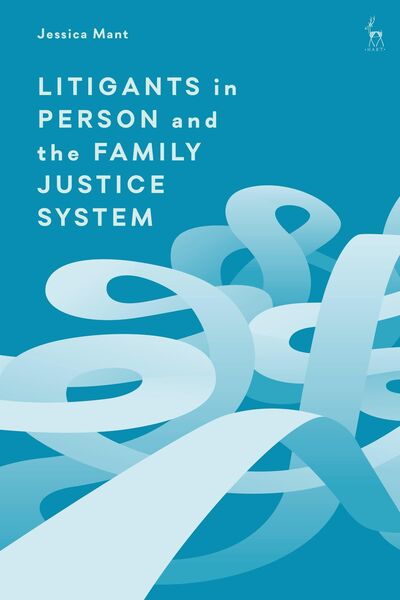
Produktbild: Litigants in Person and the Family Justice System

Litigants in Person and the Family Justice System

79,99 €

inkl. gesetzl. MwSt., Versandkostenfrei


Beschreibung

This book is about those who represent themselves as Litigants in Person in the family justice system. It calls for a refocusing of the debate about the historical challenges associated with Litigants in Person as well as the role they should play within the family justice system in England and Wales....

Beschreibung

This book is about those who represent themselves as Litigants in Person in the family justice system. It calls for a refocusing of the debate about the historical challenges associated with Litigants in Person as well as the role they should play within the family justice system in England and Wales.
Drawing together interviews with Litigants in Person and decades of research into self-representation from across multiple jurisdictions, this book provides an account of the family justice system through the eyes of its users. It employs an innovative socio-legal framework comprising feminist theory, a Bourdieusian theory of class, vulnerability theory, and actor-network theory to explore the journey that Litigants in Person take through the legal, cultural and social context of the family court.
It provides fresh insight into the diverse challenges that people face within this process and how these relate to wider pressures within the family justice system. It argues that there are important lessons to be learned from Litigants in Person. By understanding how and why people come to the point of self-representing, and the kinds of experiences they have when they do, the book advocates the importance of forging a more positive and effective relationship between Litigants in Person and the family justice system.

Produktdetails

Einband

Taschenbuch

Erscheinungsdatum

01.05.2024

Verlag Bloomsbury Academic
Seitenzahl

190

Produktdetails

Einband

Taschenbuch

Erscheinungsdatum

01.05.2024

Verlag Bloomsbury Academic
Seitenzahl

190

Maße (L/B/H)

23,4/15,6/1 cm

Gewicht

298 g

Sprache

Englisch

ISBN

978-1-5099-4739-3

Herstelleradresse

Libri GmbH
Europaallee 1
36244 Bad Hersfeld
DE

Email: gpsr@libri.de

Noch keine Bewertungen vorhanden

Verfassen Sie die erste Bewertung zu diesem Artikel

Helfen Sie anderen Kundinnen und Kunden durch Ihre Meinung.

Kundinnen und Kunden meinen

Bewertungen (0)

Die Leseprobe wird geladen.
  • Produktbild: Litigants in Person and the Family Justice System
  • 1. Introduction
    I. Litigants in Person and the Family Justice System
    II. The Family Justice Landscape
    III. Where Next for Family Justice?
    IV. Learning from LIPs
    V. Chapter Outline
    2. The Changing Landscape of Family Justice
    I. Neoliberalism and the Family Justice System
    II. Family Justice at Breaking Point?
    III. Domestic Abuse and Family Justice
    IV. COVID-19 and Family Justice
    V. A Turning Point for Family Justice
    3. Conceptualising Litigants in Person
    I. Tensions in Family Justice Research
    II. Marginalised Perspectives
    III. Inequality, Disadvantage, and Difference
    IV. The State and the Family Justice System
    V. Material Manifestations of Disadvantage
    VI. A Theoretical and Empirical Enquiry
    4. Navigating the Family Justice System
    I. Procedural Requirements
    II. Legal Norms
    III. Physical Environments, Social Hierarchies and Cultural Expectations
    IV. The Full-Representation Model
    5. Contributing to the Family Court Process
    I. Speaking in Court
    II. Using Paperwork to Communicate
    III. Asking and Answering Questions
    IV. Being Heard within the Family Court Process
    V. Changing the Conversation
    6. Finding a Role in the Family Justice System
    I. Relationships with Judges
    II. Relationships with Opposing Lawyers
    III. Relationships with Other LIPs
    IV. Finding a Role
    7. Perceptions of Family Justice
    I. The Expectation-Experience Disconnect
    II. Understanding Decisions and Outcomes
    III. A Cycle of Exclusion
    IV. Family Justice Journeys
    8. Conclusion
    I. Litigants in Person and the Family Justice System
    II. LASPO: The End of Family Justice?
    III. How to Break a Cycle of Exclusion