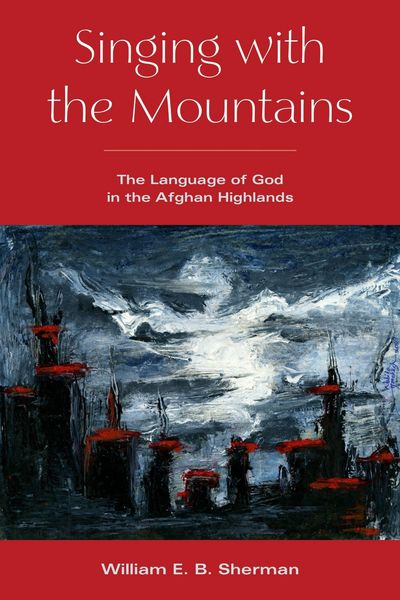
Singing with the Mountains The Language of God in the Afghan Highlands
-
- Hardcover ausgewählt
- Taschenbuch
- eBook
-
Sprache:Englisch
159,99 €
inkl. gesetzl. MwSt.,
Beschreibung
Produktdetails
Einband
Gebundene Ausgabe
Erscheinungsdatum
05.12.2023
Verlag
Fordham University PressSeitenzahl
320
Maße (L/B/H)
22,9/15,2/1,9 cm
Gewicht
544 g
Sprache
Englisch
ISBN
978-1-5315-0567-7
Winner, Carolina's Outstanding Contribution to Middle East and Islamic Studies Book Award
An illuminating story of a Sufi community that sought the revelation of God
In the Afghan highlands of the sixteenth century, the messianic community known as the Roshaniyya not only desired to find God's word and to abide by it but also attempted to practice God's word and to develop techniques of language intended to render their own tongues as the organs of continuous revelation. As their critics would contend, however, the Roshaniyya attempted to make language do something that language should not do-infuse the semiotic with the divine. Their story thus ends in a tower of skulls, the proliferation of heresiographies that detailed the sins of the Roshaniyya, and new formations of "Afghan" identity.
In Singing with the Mountains, William E. B. Sherman finds something extraordinary about the Roshaniyya, not least because the first known literary use of vernacular Pashto occurs in an eclectic, Roshani imitation of the Qur'an. The story of the Roshaniyya exemplifies a religious culture of linguistic experimentation. In the example of the Roshaniyya, we discover a set of questions and anxieties about the capacities of language that pervaded Sufi orders, imperial courts, groups of wandering ascetics, and scholastic networks throughout Central and South Asia.
In telling this tale, Sherman asks the following questions: How can we make language shimmer with divine truth? How can letters grant sovereign power and form new "ethnic" identities and ways of belonging? How can rhyme bend our conceptions of time so that the prophetic past comes to inhabit the now of our collective moment? By analyzing the ways in which the Roshaniyya answered these types of questions-and the ways in which their answers were eventually rejected as heresies-this book offers new insight into the imaginations of religious actors in the late medieval and early modern Persianate worlds.
Noch keine Bewertungen vorhanden
Verfassen Sie die erste Bewertung zu diesem Artikel
Helfen Sie anderen Kundinnen und Kunden durch Ihre Meinung.
Kurze Frage zu unserer Seite
Vielen Dank für Ihr Feedback
Wir nutzen Ihr Feedback, um unsere Produktseiten zu verbessern. Bitte haben Sie Verständnis, dass wir Ihnen keine Rückmeldung geben können. Falls Sie Kontakt mit uns aufnehmen möchten, können Sie sich aber gerne an unseren Kund*innenservice wenden.
zum Kundenservice