KI-Beratung Beta

Gutscheinbedingungen

**Gültig bis 30.11.2026 auf Spielzeug, Schreibwaren, Filme, Geschenke & Trends, Musik, tolino eReader & Zubehör, Hörbücher und Hörbuch-Downloads, nicht preisgebundene Bücher und Kalender online auf thalia.at und in der Thalia App. Einzelne Artikel können ausgeschlossen sein. Aufgrund der Buchpreisbindung sind deutschsprachige Bücher und eBooks ausgenommen. Zusätzlich ausgenommen sind Abos & Flatrates, Games, Geschenkkarten/-boxen, Shelfies, Software, Zeitschriften sowie einzelne Artikel von tonies®. Pro Einkauf einmal einlösbar. Nur gültig mit im Onlineshop hinterlegter Bonuscard. Click & Collect nur bei Onlinevorabzahlung möglich. Keine Barauszahlung. Nicht kombinierbar mit anderen Aktionen und Gutscheinen. Gutschein wird auf max. 500€ Bestellwert angerechnet. Nicht gültig für Versandkosten und Services.

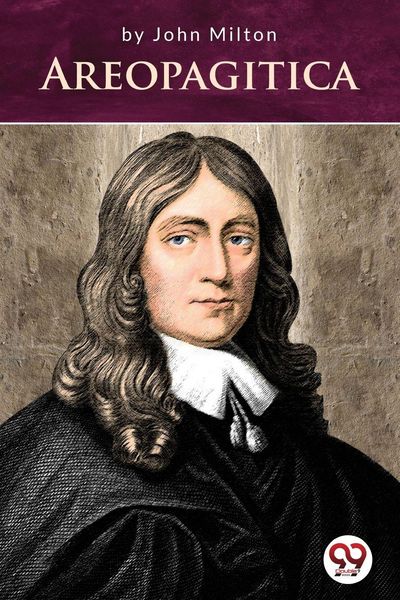
  • Produktbild: Areopagitica
  • Produktbild: Areopagitica

Areopagitica

16,99 €

inkl. gesetzl. MwSt., zzgl. Versandkosten


  • Kostenlose Lieferung ab 30 € Einkaufswert
  • Versandkostenfrei für Bonuscard-Kund*innen

Beschreibung

One of the earliest written works on the idea of freedom of speech and freedom of the press is John Milton's Areopagitica. It was written as a statement of opposition against the censoring of printed literature. Milton's main contention is that while censorship may be carried out under morally righteous...

Beschreibung

One of the earliest written works on the idea of freedom of speech and freedom of the press is John Milton's Areopagitica. It was written as a statement of opposition against the censoring of printed literature. Milton's main contention is that while censorship may be carried out under morally righteous pretexts, it may also serve as a gateway for abuse of government authority.Milton stated that people shouldn't be subject to punishment by the state just because they published debatable content. Milton avoided discussing whether or whether legislation pertaining to press freedom is constitutional. Instead, he made an effort to demonstrate how press and censorship regulations may be misused. His arguments were logical rather than legalistic in nature.Sir Thomas Milton criticized the Licensing Order of 1643 in 1643. He claimed that it was problematic to require book licenses before they were widely circulated. After their first work was licensed, it forbade writers from ever altering or extending it. It prevented the dissemination of fresh and original thoughts or viewpoints on a subject. Books that should have been censored were released despite some erroneous censoring.The Licensing Order may have resulted in the prohibition of many religious texts. Censorship, according to Milton, is incompatible with nationalism and patriotism.

Produktdetails

Einband

Taschenbuch

Erscheinungsdatum

22.04.2022

Verlag Double 9 Booksllp
Seitenzahl

46

Produktdetails

Einband

Taschenbuch

Erscheinungsdatum

22.04.2022

Verlag Double 9 Booksllp
Seitenzahl

46

Maße (L/B/H)

22,9/15,2/0,3 cm

Gewicht

83 g

Sprache

Englisch

ISBN

978-93-5656-982-9

Herstelleradresse

Libri GmbH
Europaallee 1
36244 Bad Hersfeld
DE

Email: gpsr@libri.de

Noch keine Bewertungen vorhanden

Verfassen Sie die erste Bewertung zu diesem Artikel

Helfen Sie anderen Kundinnen und Kunden durch Ihre Meinung.

Kundinnen und Kunden meinen

Bewertungen (0)

Weitere Artikel finden Sie in

Die Leseprobe wird geladen.
  • Produktbild: Areopagitica
  • Produktbild: Areopagitica