• Produktbild: Decolonizing Middle Level Literacy Instruction
  • Produktbild: Decolonizing Middle Level Literacy Instruction

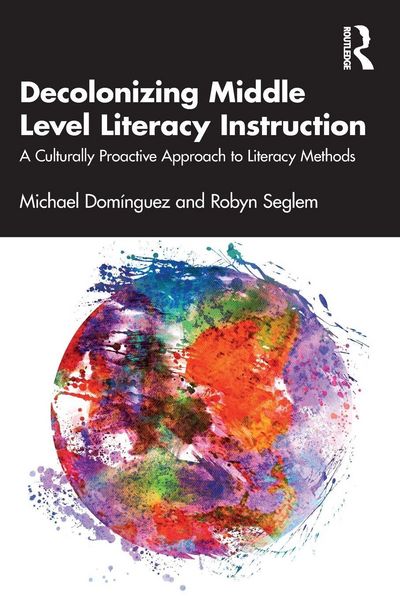
Decolonizing Middle Level Literacy Instruction A Culturally Proactive Approach to Literacy Methods

63,99 €

inkl. gesetzl. MwSt., Versandkostenfrei


Beschreibung

Produktdetails

Einband

Taschenbuch

Erscheinungsdatum

30.06.2023

Abbildungen

schwarz-weiss Illustrationen, Raster, schwarz-weiss, Zeichnungen, schwarz-weiss

Verlag

Taylor and Francis

Seitenzahl

182

Maße (L/B/H)

22,9/15,2/1,1 cm

Gewicht

320 g

Sprache

Englisch

ISBN

978-1-03-225188-2

Beschreibung

Produktdetails

Einband

Taschenbuch

Erscheinungsdatum

30.06.2023

Abbildungen

schwarz-weiss Illustrationen, Raster, schwarz-weiss, Zeichnungen, schwarz-weiss

Verlag

Taylor and Francis

Seitenzahl

182

Maße (L/B/H)

22,9/15,2/1,1 cm

Gewicht

320 g

Sprache

Englisch

ISBN

978-1-03-225188-2

Herstelleradresse

Libri GmbH
Europaallee 1
36244 Bad Hersfeld
DE

Email: gpsr@libri.de

Noch keine Bewertungen vorhanden

Verfassen Sie die erste Bewertung zu diesem Artikel

Helfen Sie anderen Kundinnen und Kunden durch Ihre Meinung.

Kundinnen und Kunden meinen

Bewertungen (0)

Die Leseprobe wird geladen.
  • Produktbild: Decolonizing Middle Level Literacy Instruction
  • Produktbild: Decolonizing Middle Level Literacy Instruction
  • Preface

    Part I: In Dialogue / Desconocimientos

    Chapter 1: Why Decolonize Our Classrooms?

    Coloniality and Decoloniality: A Primer

    Colonization v. Coloniality

    Thinking Differently as Decoloniality

    Questions to Consider in Reflecting on Coloniality

    Resources to Explore

    References

    Chapter 2: What Is Racial Literacy?

    Introduction

    What Is Race? A Quick Primer for Decolonial Educators

    Race and Middle Grades

    Racial, Ethnic, and Cultural Identity Development for BIPOC Youth

    Building Racial Literacies as Decolonial Praxis

    Making Decolonization Normal

    Questions to Consider While Planning for Racially Literate Praxis

    Resources to Explore

    References

    Part II: In Praxis / Travesias

    Chapter 3: Decolonized Classrooms...Nurture Introspection

    Introduction

    Complicated Racial Landscapes

    Reading Instruction to Trace Community Histories

    Writing Instruction to Practice Our Self-Narration

    Pushing Past Racial Discomfort

    Challenge in Practice

    Questions to Consider While Planning for Introspection

    Resources to Explore

    Assessment Alternatives

    Technology Spotlight

    References

    Chapter 4: Decolonized Classrooms...Connect Humans to One Another

    Introduction

    Abolishing Zero-Point Thinking

    Reading Instruction to Nurture Interconnection

    Writing Instruction to Foster Empathy

    Building a Holistic Ecology in the Classroom

    Challenge in Practice

    Questions to Consider While Planning for Human Connections

    Resources to Explore

    Assessment Alternatives

    Technology Spotlight

    References

    Chapter 5: Decolonized Classrooms...Position Everyone as Experts

    Instruction

    Disrupting Colonial Expertise

    Reading Instruction to Validate Youth Expertise

    Writing Instruction to Sustain Community Literacies

    Closing the Cultural Gaps Between Ourselves and Our Students

    Challenge in Practice

    Questions to Consider While Planning to Position Everyone as Experts

    Resources to Explore

    Assessment Alternatives

    Technology Spotlight

    References

    Chapter 6: Decolonized Classrooms...Ask Challenging Questions

    Introduction

    Challenging Reductive Knowledge

    Reading Instruction to Get at Big Ideas

    Writing Instruction to Engage with the World

    Making Classroom Literacy Consequential

    Challenge in Practice

    Questions to Consider While Planning for Challenging Questions

    Resources to Explore

    Assessment Alternatives

    Technology Spotlight

    References

    Chapter 7: Decolonized Classrooms...Disrupt Normal

    Introduction

    A New Way to Think of the Banking Method

    Reading and Speaking Instruction to Build Radical Consensus

    Disrupting the Activity System of Normalized Schooling

    Challenge in Practice

    Questions to Consider While Planning to Disrupt Normal

    Resources to Explore

    Assessment Alternatives

    Technology Spotlight

    References

    Chapter 8: Decolonized Classrooms...Leverage a Multilingual World

    Introduction

    Linguistic Hegemony and Coloniality

    Reading Instruction to Master Language Use

    Writing Instruction to Encourage Code-Meshing

    Language, Identity, and Decoloniality

    Challenge in Practice

    Questions to Consider While Planning for a Multilingual World

    Resources to Explore

    Assessment Alternatives

    Technology Spotlight

    References

    Chapter 9: Decolonized Classrooms...Nurture Cultural Change

    Introduction

    Reacting to Cultural Change

    Reading Instruction to Remix Futures

    Writing Instruction to Sustain Youth Creativity

    Honoring Middle-School Youth as the Creators of New Worlds

    Challenge in Practice

    Questions to Consider While Planning for Nurturing Cultural Change

    Resources to Explore

    Assessment Alternatives

    Technology Spotlight

    References

    Part III: Pragmatic Vision / Conocimientos

    Chapter 10: Decolonized Educators...Navigate Tight Spaces in a Changing Educational Landscape

    Introduction

    Teaching in a Neocolonial Climate of Fear

    Cultural Artifacts in Education

    Discourse in Education

    Identity in Education

    Challenge in Practice

    Questions to Consider While Navigating Tight Spaces

    Resources to Explore

    References

    Chapter 11: Decolonized Educators....Discover Ways to Sustain Their Practice

    Introduction

    Sustaining our Commitments to Decolonization through Interconnection

    Sustaining our Connections to Students and Community

    Learning about Student Practices: Community Ethnographies

    Learning about Community Dynamics: Power Analysis and Mapping

    Building Peer Networks to Sustain Decolonial Practice

    Challenge(s) in Practice

    Questions to Consider for Sustaining our Practice

    Resources to Explore

    References

    Chapter 12: A Few Last Thoughts on Our Decolonizing Efforts

    Introduction

    Make Maps, Not Tracings

    Epistemic Disobedience and Sustainability

    Pragmatic Vision and the Decolonial