
• Produktbild: America's National Debt
  • Produktbild: America's National Debt

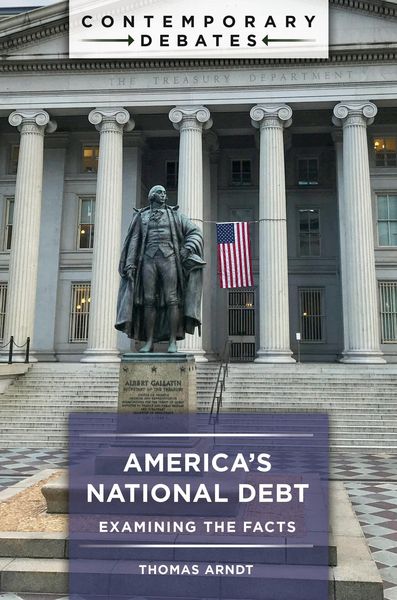
America's National Debt Examining the Facts

89,99 €

inkl. gesetzl. MwSt., Versandkostenfrei


Beschreibung

Produktdetails

Einband

Gebundene Ausgabe

Erscheinungsdatum

31.10.2022

Verlag

Bloomsbury Academic

Seitenzahl

208

Maße (L/B/H)

24/16,1/1,6 cm

Gewicht

560 g

Sprache

Englisch

ISBN

978-1-4408-7699-8

Beschreibung

Produktdetails

Einband

Gebundene Ausgabe

Erscheinungsdatum

31.10.2022

Verlag

Bloomsbury Academic

Seitenzahl

208

Maße (L/B/H)

24/16,1/1,6 cm

Gewicht

560 g

Sprache

Englisch

ISBN

978-1-4408-7699-8

Herstelleradresse

Libri GmbH
Europaallee 1
36244 Bad Hersfeld
DE

Email: gpsr@libri.de

Noch keine Bewertungen vorhanden

Verfassen Sie die erste Bewertung zu diesem Artikel

Helfen Sie anderen Kundinnen und Kunden durch Ihre Meinung.

Kundinnen und Kunden meinen

Bewertungen (0)

  • Produktbild: America's National Debt
  • Produktbild: America's National Debt
  • How to Use This Book

    1. America's National Debt throughout History
    Q1: Has the U.S. government always accumulated national debt?
    Q2: What has caused the national debt to rise so significantly in recent decades?
    Q3: Should Americans be concerned about the size of the national debt?
    Q4: What are the differences between deficits and debt?
    Q5: Why has the debt issue faded from news headlines and public attention in recent years?

    2. Thinking Critically about Debt
    Q6: How does the government actually borrow money and who does it owe?
    Q7: Is there anything good about deficit spending?
    Q8: How much of the U.S. government's spending is truly wasteful?
    Q9: Can the United States still consider itself the richest country in the world?

    3. Congress and the Power of the Purse
    Q10: Who has the power to decide how the public's tax dollars are spent?
    Q11: What are the biggest line items in the budget that Congress spends its money on?
    Q12: What is the debt ceiling and how often does it need to be raised?
    Q13: What are the roles of congressional committees, such as Ways and Means, Finance, Budget, and Appropriations?
    Q14: What are earmarks and how do they contribute to larger deficits?
    Q15: What is the significance of a "cbo score"?

    4. Taxing, Spending, and Debt as Public Policy Issues
    Q16: Why is there such a sharp clash of ideology when it comes to financial issues managed by Congress?
    Q17: How do politicians argue the so-called guns versus butter debate?
    Q18: How do tax increases and tax cuts affect the national debt?
    Q19: How much of the government's spending is secret and kept hidden from the public?
    Q20: Is Social Security going bankrupt and will it be viable for future generations?

    5. Government Shutdowns
    Q21: What is the process for reaching a budget deal between Congress and the president?
    Q22: How frequently have government shutdowns occurred?
    Q23: What happens to government services when there is a shutdown?
    Q24: How does partisan polarization over the debt issue affect the chances of a government shutdown?

    6. The Financial Crisis and Austerity Measures
    Q25: How did the 2007-08 financial crisis impact the federal government's approach to budgeting and managing the debt?
    Q26: Did the tarp bailout succeed in preventing an economic collapse?
    Q27: How did the tea party movement capitalize on the perception that the government spends too much money?
    Q28: What is sequestration and how did it impact the national debt issue?

    7. The Implications of Debt
    Q29: How much interest does the United States have to pay on the national debt?
    Q30: How does the national debt affect the economy, including things such as interest rates, inflation, and the stock market?
    Q31: Does a ballooning national debt compromise U.S. national security interests, especially if large sums are owed to China?
    Q32: Can lenders simply call in the debts owed to them by the U.S. government at a moment's notice?

    8. Reforms and the Landscape Ahead
    Q33: Will the national debt ever get paid off by future generations?
    Q34: What would be the result of the United States defaulting on its debt repayment obligations?
    Q35: What is the leading justification for a proposed balanced budget amendment?
    Q36: What other options for reducing the national debt have been considered?

    Index