Beschreibung
Produktdetails
Einband
Taschenbuch
Erscheinungsdatum
28.04.2023
Abbildungen
farbige Illustrationen, Raster, schwarz-weiss, Raster, farbig, Zeichnungen, farbig, Tabellen, farbig
Verlag
Taylor and FrancisSeitenzahl
548
Maße (L/B/H)
28/20,8/2,4 cm
Gewicht
1480 g
Auflage
5. Auflage
Sprache
Englisch
ISBN
978-0-367-67407-6
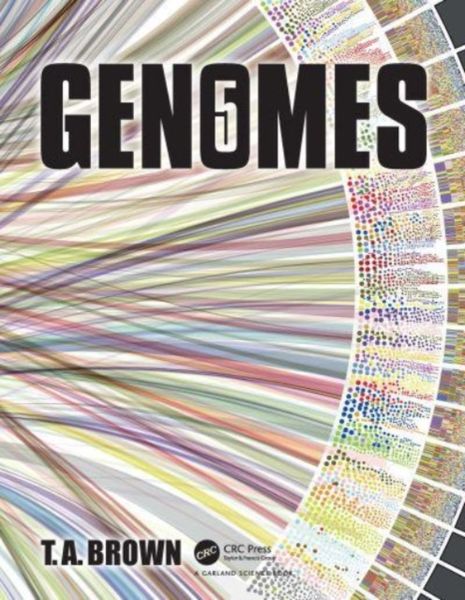
Genomes 5 has been completely revised and updated. It is a thoroughly modern textbook about genomes and how they are investigated. As with previous Genomes editions, techniques come first, then genome anatomies, followed by genome function, and finally genome evolution. The genomes of all types of organism are covered: viruses, bacteria, fungi, plants, and animals, including humans and other hominids.
Genome sequencing and assembly methods have been thoroughly revised to include new developments in long-read DNA sequencing. Coverage of genome annotation emphasizes genome-wide RNA mapping, with CRISPR-Cas 9 and GWAS methods of determining gene function covered. The knowledge gained from these techniques forms the basis of the chapters that describe the three main types of genomes: eukaryotic, prokaryotic (including eukaryotic organelles), and viral (including mobile genetic elements). Coverage of genome expression and replication is truly genomic, concentrating on the genome-wide implications of DNA packaging, epigenome modifications, DNA-binding proteins, non-coding RNAs, regulatory genome sequences, and protein-protein interactions. Also included are examples of the applications of metabolomics and systems biology. The final chapter is on genome evolution, including the evolution of the epigenome, using genomics to study human evolution, and using population genomics to advance plant breeding. Established methods of molecular biology are included if they are still relevant today and there is always an explanation as to why the method is still important.
Genomes 5 is the ideal text for upper-level courses focused on genomes and genomics.
Key Features
- A highly accessible and well-structured book with chapters organized into four parts to aid navigation
- Superb artwork illustrates the key concepts and mechanisms
- Each chapter has a set of short-answer questions and in-depth problems to test the reader's understanding of the material
- Thoroughly up to date with references to the latest research from the 2020s
Kundinnen und Kunden meinen
Verfassen Sie die erste Bewertung zu diesem Artikel
Helfen Sie anderen Kund*innen durch Ihre Meinung
Kurze Frage zu unserer Seite
Vielen Dank für Ihr Feedback
Wir nutzen Ihr Feedback, um unsere Produktseiten zu verbessern. Bitte haben Sie Verständnis, dass wir Ihnen keine Rückmeldung geben können. Falls Sie Kontakt mit uns aufnehmen möchten, können Sie sich aber gerne an unseren Kund*innenservice wenden.
zum Kundenservice