Gutscheinbedingungen

**Gültig bis 14.09.2026 auf Spielzeug, Schreibwaren, Filme, Geschenke & Trends, Musik, tolino eReader & Zubehör, Hörbücher, nicht preisgebundene Bücher und Kalender in der Thalia App. Einzelne Artikel können ausgeschlossen sein. Aufgrund der Buchpreisbindung sind deutschsprachige Bücher und eBooks ausgenommen. Zusätzlich ausgenommen sind Abos & Flatrates, Games, Geschenkkarten/-boxen, Shelfies, Software, Zeitschriften sowie einzelne Artikel von tonies®. Pro Einkauf einmal einlösbar. Nur gültig mit im Onlineshop hinterlegter Bonuscard. Click & Collect nur bei Onlinevorabzahlung möglich. Keine Barauszahlung. Nicht kombinierbar mit anderen Aktionen und Gutscheinen. Gutschein wird auf max. 500€ Bestellwert angerechnet. Nicht gültig für Versandkosten und Services.

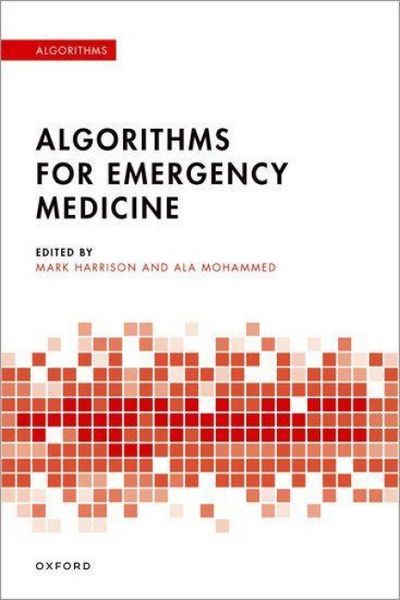
Produktbild: Algorithms for Emergency Medicine

Algorithms for Emergency Medicine

63,99 €

inkl. gesetzl. MwSt., Versandkostenfrei


Beschreibung

Produktdetails

Einband

Taschenbuch

Erscheinungsdatum

23.05.2023

Herausgeber

Mark Harrison + weitere

Verlag

Oxford Academic

Seitenzahl

272

Maße (L/B/H)

23,1/16/2 cm

Gewicht

476 g

Sprache

Englisch

ISBN

978-0-19-882913-3

Beschreibung

Produktdetails

Einband

Taschenbuch

Erscheinungsdatum

23.05.2023

Herausgeber

Verlag

Oxford Academic

Seitenzahl

272

Maße (L/B/H)

23,1/16/2 cm

Gewicht

476 g

Sprache

Englisch

ISBN

978-0-19-882913-3

Herstelleradresse

Libri GmbH
Europaallee 1
36244 Bad Hersfeld
DE

Email: gpsr@libri.de

Noch keine Bewertungen vorhanden

Verfassen Sie die erste Bewertung zu diesem Artikel

Helfen Sie anderen Kundinnen und Kunden durch Ihre Meinung.

Kundinnen und Kunden meinen

Bewertungen (0)

Die Leseprobe wird geladen.
  • Produktbild: Algorithms for Emergency Medicine
    • Practical procedures
    • 1: Basic life support
    • 2: Airway protection
    • 3: Rapid sequence induction
    • 4: Cricothyroidotomy
    • 5: Needle Thoracocentesis
    • 6: Pleural Aspiration
    • 7: Intercostal Drain - Seldinger
    • 8: Intercostal Drain - Open
    • 9: Arterial Blood Gas Sampling
    • 10: Peripheral Venous Cannulation
    • 11: Central Venous Cannulation
    • 12: Intraosseous Access
    • 13: Urinary Catheterisation
    • 14: Nasogastric Tube Insertion
    • 15: Arterial Cannulation and Arterial Pressure Monitoring
    • 16: Lumbar Puncture
    • 17: Abdominal Paracentesis / Ascetic Tap
    • 18: DC Cardioversion
    • 19: Temporary Pacing (External)
    • 20: Knee Aspiration
    • 21: Procedural sedation
    • 22: Fracture Manipulation
    • Airway and Breathing
    • 1: Anaphylaxis
    • 2: Apnoea, Stridor and Airway Obstruction
    • 3: Pneumothorax/Haemothorax
    • 4: Asthma/Chronic Obstructive Pulmonary Disease
    • 5: Pulmonary Embolism
    • 6: Acute Heart Failure
    • 7: Cough
    • 8: Cyanosis
    • Cardiovascular
    • 1: Cardio-Respiratory Arrest-ALS Algorithm
    • 2: Cardio-Respiratory Arrest-APLS Algorithm
    • 3: Chest Pain
    • 4: Palpitations
    • 5: Tachyarrythmias
    • 6: Bradyarrythmias
    • Abdominal
    • 1: Acute Abdominal Pain
    • 2: Rectal Bleeding
    • 3: Dehydration in Children
    • 4: Diarrhoea
    • 5: Dysuria
    • 6: Ectopic Pregnancy
    • 7: Haematemesis and Melaena
    • 8: Jaundice
    • 9: Nausea and Vomiting
    • Neurological
    • 1: The Unconscious Patient
    • 2: Aggressive/Disturbed Behaviour
    • 3: Alcohol and Substance Abuse
    • 4: Acute Confusion/Delirium
    • 5: Dizziness and Vertigo
    • 6: Fits/Seizures
    • 7: Headache
    • 8: Syncope and Pre-Syncope
    • 9: Weakness and Paralysis
    • 10: Stroke
    • 11: Sub-arachnoid Haemorrhage
    • Trauma
    • 1: Primary Survey
    • 2: Secondary Survey
    • 3: Head Injury
    • 4: Major Trauma-Chest Injuries
    • 5: Major Trauma-Abdominal Trauma
    • 6: Major Trauma-Spinal Injuries
    • 7: Major Trauma-Maxillofacial
    • 8: Major Trauma-Burns
    • 9: Traumatic Limb and Joint Injuries
    • 10: Wound Assessment and Management
    • 11: Shoulder Examination
    • 12: Elbow Examination
    • 13: Hand Examination
    • 14: Hip Examination
    • 15: Knee Examination
    • 16: Ankle Examination
    • Environmental Emergencies
    • 1: Heat Stroke and Heat Exhaustion
    • 2: Drug-Related Hyperthermias
    • 3: Hypothermia and Frostbite
    • 4: Electrical Burns/Electrocution
    • 5: Drowning
    • Other Medical
    • 1: The Septic Patient
    • 2: The Shocked Patient
    • 3: Abnormal Blood Glucose-Diabetic Keto-Acidosis
    • 4: Abnormal Blood Glucose-Hyperosmolar Hyperglycaemic State (HHS)
    • 5: Sickle Cell Crisis
    • 6: Anaemia
    • 7: Purpura and Bruising in Children
    • 8: Leukaemia/Lymphoma in Children
    • 9: Bruising and Spontaneous Bleeding
    • 10: Fever
    • 11: The Oliguric Patient
    • 12: Oncology Emergencies
    • 13: Poisoning/Self-Harm
    • 14: Rashes
    • 15: Acute Red Eye
    • 16: Acute Visual Loss
    • 17: Hyperkalaemia
    • 18: Rhabdomyolysis
    • 19: High INR
    • Other Surgical
    • 1: Acute Back Pain
    • 2: Epistaxis
    • 3: Falls
    • 4: Non-Traumatic Limb Pain and Swelling
    • 5: Acute Neck Pain
    • 6: Painful Ear
    • 7: Sore Throat
    • 8: Scrotal Pain
    • 9: Acute Urinary Retention
    • 10: Per-Vaginal Bleeding
    • Miscellaneous
    • 1: Suicidal Ideation
    • 2: Needlestick Injury
    • 3: Pain Management