KI-Beratung Beta

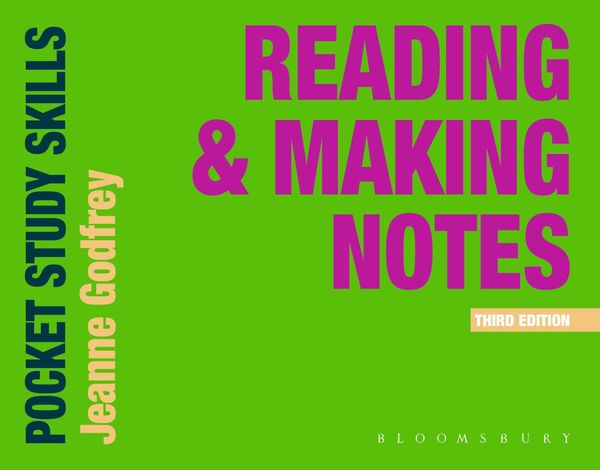
Produktbild: Reading and Making Notes
Band 23

Reading and Making Notes

Aus der Reihe Pocket Study Skills

14,99 €

inkl. gesetzl. MwSt., zzgl. Versandkosten


  • Kostenlose Lieferung ab 30 € Einkaufswert
  • Versandkostenfrei für Bonuscard-Kund*innen

Beschreibung

University students are typically exposed to a much wider variety of academic sources at university - including monographs, textbooks, journals, reports - and, crucially, a much larger proportion of their time is spent on independent academic reading, relative to their time in school. There are lots...

Beschreibung

University students are typically exposed to a much wider variety of academic sources at university - including monographs, textbooks, journals, reports - and, crucially, a much larger proportion of their time is spent on independent academic reading, relative to their time in school. There are lots of study skills texts which deal with academic writing in some form or other, but there are far fewer resources which provide helpful guidance about how to manage the early stages of an assignment. The quality of a student's written work reflects the quality of their reading and note-making skills. If students don't understand what their assignment is asking; if students don't take control of their reading list and consult the most appropriate sources; and if students don't end the process of reading with meaningful notes it's very unlikely that they will score high marks for their assignment. This book helps readers to take charge of their reading at university and provides succinct and practical guidance at key stages of the assignment. It helps students to understand what their assignment title means and how to identify useful, reliable academic sources. It helps students to apply different reading strategies, depending on the task at hand, and to approach texts actively so that they are questioning and evaluating materials as they go. In addition to reading strategies, the Pocket introduces readers to useful strategies and tips for note-making. The final part helps readers to make the most of their notes by engaging with and reviewing the material they've created. New for this edition: - A science-based example for STEM students - New section which helps readers think about what type of information and evidence they need to find - New tips on managing large volumes of reading - Updated material on note-making software and online tools to reflect latest technology

Produktdetails

Einband

Taschenbuch

Erscheinungsdatum

09.02.2023

Herausgeber Kate Williams
Verlag Bloomsbury USA

Produktdetails

Einband

Taschenbuch

Erscheinungsdatum

09.02.2023

Herausgeber Kate Williams
Verlag Bloomsbury USA
Seitenzahl

160

Maße (L/B/H)

13,8/10,8/1,1 cm

Gewicht

104 g

Auflage

3. Auflage

Sprache

Englisch

ISBN

978-1-350-32185-4

Herstelleradresse

Libri GmbH
Europaallee 1
36244 Bad Hersfeld
DE

Email: gpsr@libri.de

Noch keine Bewertungen vorhanden

Verfassen Sie die erste Bewertung zu diesem Artikel

Helfen Sie anderen Kundinnen und Kunden durch Ihre Meinung.

Kundinnen und Kunden meinen

Bewertungen (0)

Die Leseprobe wird geladen.
  • Produktbild: Reading and Making Notes
  • Acknowledgements
    Introduction
    1. Active reading and note making
    PART I: DECIDE WHAT YOU ARE GOING TO READ
    2. What your lecturers are looking for
    3. Understand your assignment title
    4. Take control of your reading list...
    5. ...and go beyond it?
    6. Reliable and academic sources
    7. Fine-tune your selection
    PART II: DECIDE HOW YOU ARE GOING TO READ
    8. Ways to read
    9. Finding time to read
    PART III: UNDERSTAND, QUESTION AND EVALUATE
    10. Understand the text accurately
    11. What to do if you get stuck
    12. Make up your own mind
    13. Get the wider picture
    PART IV: THE ESSENTIALS
    14. Active and purposeful notes
    15. Key features of effective notes
    PART V: DECIDE HOW YOU WILL MAKE NOTES
    16. Different note-making formats
    17. Making notes in lectures and seminars
    18. Tools and technology
    PART VI: MAKE THE MOST OF YOUR NOTES
    19. Review and rework your notes
    20. Using your notes in assignments
    Appendix 1: Examples of common abbreviations for note making
    Appendix 2: Definitions of words used in this guide
    References
    Useful resources
    Index