Gutscheinbedingungen

**Gültig bis 04.08.2026 ab einem Mindestbestellwert von 30€ auf Spielzeug, Schreibwaren, Filme, Geschenke & Trends, Musik, tolino eReader & Zubehör, Hörbücher und Hörbuch-Downloads (außer Abo), nicht preisgebundene Bücher und Kalender online auf thalia.at und in der Thalia App. Einzelne Artikel können ausgeschlossen sein. Aufgrund der Buchpreisbindung sind deutschsprachige Bücher und eBooks ausgenommen. Zusätzlich ausgenommen sind preisgebundene Artikel, Abos & Flatrates, eBooks, Games, Geschenkkarten/-boxen, Shelfies, Software, Zeitschriften sowie einzelne Artikel von tonies®. Pro Einkauf einmal einlösbar. Click & Collect nur bei Onlinevorabzahlung möglich. Keine Barauszahlung. Nicht kombinierbar mit anderen Aktionen und Gutscheinen. Gutschein wird auf max. 500€ Bestellwert angerechnet. Nicht gültig für Versandkosten und Services. Preisgebundene Artikel sind vom Mindestbestellwert ausgeschlossen.

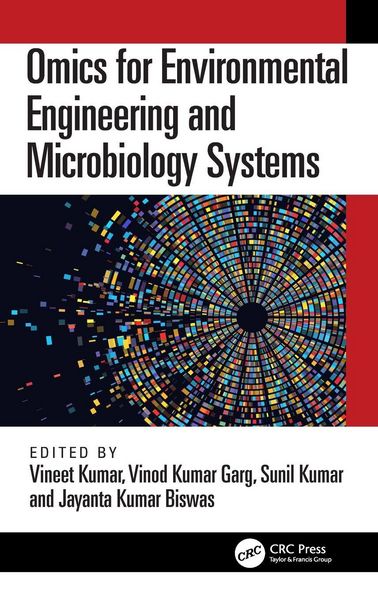
Produktbild: Omics for Environmental Engineering and Microbiology Systems

Omics for Environmental Engineering and Microbiology Systems

252,99 €

inkl. gesetzl. MwSt., Versandkostenfrei


Beschreibung

Produktdetails

Einband

Gebundene Ausgabe

Erscheinungsdatum

07.11.2022

Abbildungen

schwarz-weiss Illustrationen, Raster, schwarz-weiss, Zeichnungen, schwarz-weiss, Tabellen, schwarz-weiss

Herausgeber

Kumar Vineet + weitere

Verlag

Taylor & Francis

Seitenzahl

550

Maße (L/B/H)

24/16,1/3,4 cm

Gewicht

875 g

Sprache

Englisch

ISBN

978-1-03-216283-6

Beschreibung

Produktdetails

Einband

Gebundene Ausgabe

Erscheinungsdatum

07.11.2022

Abbildungen

schwarz-weiss Illustrationen, Raster, schwarz-weiss, Zeichnungen, schwarz-weiss, Tabellen, schwarz-weiss

Herausgeber

Verlag

Taylor & Francis

Seitenzahl

550

Maße (L/B/H)

24/16,1/3,4 cm

Gewicht

875 g

Sprache

Englisch

ISBN

978-1-03-216283-6

Noch keine Bewertungen vorhanden

Verfassen Sie die erste Bewertung zu diesem Artikel

Helfen Sie anderen Kundinnen und Kunden durch Ihre Meinung.

Kundinnen und Kunden meinen

Bewertungen (0)

Die Leseprobe wird geladen.
  • Produktbild: Omics for Environmental Engineering and Microbiology Systems
  • 1. Omics to Field Bioremediation: Current Status, Challenges, and Future Opportunities

    2. Role of Genomics, Metagenomics, and Other Meta-Omics Approaches for Expunging the Environmental Contaminants by Bioremediation

    3. Functional Metagenomics: A Methodological Approach to View the Microbial World: A Review

    4. Analysis of Emerging Microbial Contaminants through Next-Generation Sequencing (NGS)

    5. Quorum Sensing: A Potential Mechanism Toward Microbial Activity and Biofilm Formation

    6. Integrated Omics Approaches to Understand and Improve Wastewater Remediation

    7. Omics Insights into Quorum Sensing and Biofilm Formation

    8. Genome Editing Tools: Increasing Efficiency of Microbes for Remediating Contaminated Environment

    9. Recent Advancements in Microbial Degradation of Xenobiotics by Using Proteomics Approaches

    10. Importance of Genetically Engineered Microbes (GEMs) In Bioremediation of Environmental Pollutants: Recent Advances and Challenges

    11. Role of Indigenous Microbial Community in Bioremediation: Recent Advances, Challenges, and Future Outlook

    12. Functional Metagenomics in Environmental Bioremediation: Recent Advances, Challenges and Future Outlook

    13. The Use of Microalgae and Cyanobacteria for Wastewater Treatment and the Sustainable Production of Biomass

    14. Bioprospecting of Microbial Diversity for Sustainable Agriculture and Environment

    15. A Consortium of Sulfate-Reducing Bacteria Used for Lead, Copper, and Cadmium Bioremediation

    16. Omics Reflection on the Bacterial Escape from the Toxic Trap of Metal(loid)s: Cracking the Code of Contaminants Stress, Resistance Repertoire, and Remediation

    17. Omics Approaches for Microalgal Remediation of Wastewater: Recent Advances, Challenges, and Future Outlook

    18. Disturbance and Stress in Coastal Ecosystems: Quantifying Responses at Multiple Levels of Biological Organization

    19. Impact of Cadmium Toxicity on Environment and Its Remedy

    20. Metal(loid)-Microbe Interactions: Trading on Tolerance and Transformation for Environmental Remediation

    21. Insights into Pathways of Biodegradation of Endocrine Disrupting Chemicals by Microbes

    22. New Insights into Horizontal Gene Transfer among Bacterial Pathogens to Acquire Antibiotic Resistance and Culture-Independent Techniques to Study ARG Dissemination

    23. Genetically Engineered Microorganisms: A Promising Approach for Bioremediation

    24. Microbial Biofilm in Remediation of Environmental Contaminants from Wastewater: Mechanisms, Opportunities, Challenges, and Future Perspectives

    25. Artificial Intelligence in Waste Management/Wastewater Treatment