
KI-Beratung Beta

Gutscheinbedingungen

**Gültig bis 30.11.2026 auf Spielzeug, Schreibwaren, Filme, Geschenke & Trends, Musik, tolino eReader & Zubehör, Hörbücher und Hörbuch-Downloads, nicht preisgebundene Bücher und Kalender online auf thalia.at und in der Thalia App. Einzelne Artikel können ausgeschlossen sein. Aufgrund der Buchpreisbindung sind deutschsprachige Bücher und eBooks ausgenommen. Zusätzlich ausgenommen sind Abos & Flatrates, Games, Geschenkkarten/-boxen, Shelfies, Software, Zeitschriften sowie einzelne Artikel von tonies®. Pro Einkauf einmal einlösbar. Nur gültig mit im Onlineshop hinterlegter Bonuscard. Click & Collect nur bei Onlinevorabzahlung möglich. Keine Barauszahlung. Nicht kombinierbar mit anderen Aktionen und Gutscheinen. Gutschein wird auf max. 500€ Bestellwert angerechnet. Nicht gültig für Versandkosten und Services.

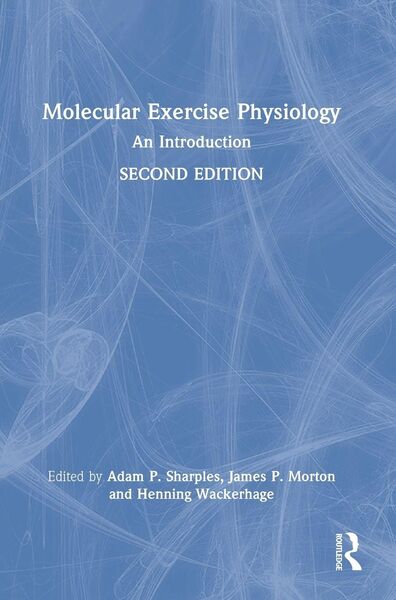
  • Produktbild: Molecular Exercise Physiology
  • Produktbild: Molecular Exercise Physiology

Molecular Exercise Physiology An Introduction

229,99 €

inkl. gesetzl. MwSt., Versandkostenfrei


Beschreibung

Fully revised and expanded, the second edition of Molecular Exercise Physiology offers a student-friendly introduction. It introduces a history documenting the emergence of molecular biology techniques to investigate exercise physiology, the methodology used, exercise genetics and epigenetics, and the...

Beschreibung

Fully revised and expanded, the second edition of Molecular Exercise Physiology offers a student-friendly introduction. It introduces a history documenting the emergence of molecular biology techniques to investigate exercise physiology, the methodology used, exercise genetics and epigenetics, and the molecular mechanisms that lead to adaptation after different types of exercise, with explicit links to outcomes in sport performance, nutrition, physical activity and clinical exercise.

Structured around key topics in sport and exercise science and featuring contributions from pioneering scientists, such as Nobel Prize winners, this edition includes new chapters based on cutting-edge research in epigenetics and muscle memory, satellite cells, exercise in cancer, at altitude, and in hot and cold climates. Chapters include learning objectives, structured guides to further reading, review questions, overviews of work by key researchers and box discussions from important pioneers in the field, making it a complete resource for any molecular exercise physiology course. The book includes cell and molecular biology laboratory methods for dissertation and research projects in molecular exercise physiology and muscle physiology.

This book is essential reading for upper-level undergraduate or postgraduate courses in cellular and molecular exercise physiology and muscle physiology. It is a valuable resource for any student with an advanced interest in exercise physiology in both sport performance and clinical settings.

Produktdetails

Einband

Gebundene Ausgabe

Erscheinungsdatum

12.05.2022

Abbildungen

97 SW-Abb., 17 SW-Fotos, 80 SW-Zeichn., 14 Tabellen

Herausgeber Adam Sharples + weitere

Produktdetails

Einband

Gebundene Ausgabe

Erscheinungsdatum

12.05.2022

Abbildungen

97 SW-Abb., 17 SW-Fotos, 80 SW-Zeichn., 14 Tabellen

Herausgeber
Verlag Taylor & Francis
Seitenzahl

360

Maße (L/B/H)

25/17,5/2,4 cm

Gewicht

743 g

Auflage

2. Auflage

Sprache

Englisch

ISBN

978-1-138-08687-6

Herstelleradresse

Libri GmbH
Europaallee 1
36244 Bad Hersfeld
DE

Email: gpsr@libri.de

Noch keine Bewertungen vorhanden

Verfassen Sie die erste Bewertung zu diesem Artikel

Helfen Sie anderen Kundinnen und Kunden durch Ihre Meinung.

Kundinnen und Kunden meinen

Bewertungen (0)

Die Leseprobe wird geladen.
  • Produktbild: Molecular Exercise Physiology
  • Produktbild: Molecular Exercise Physiology
  • 1. Introduction to molecular exercise physiology

    2. Methods in molecular exercise physiology

    3. Genetics and exercise: an introduction

    4. Genetics of muscle mass and strength

    5. Genetics of endurance

    6. Epigenetics of exercise

    7. Signal transduction and exercise

    8. Molecular adaptation to resistance exercise

    9. Molecular adaptations to endurance exercise and skeletal muscle fibre plasticity

    10. Molecular sport nutrition

    11. Altitude, temperature, circadiun rhythms and exercise

    12. Cancer and exercise

    13. Satellite cells and exercise