KI-Beratung Beta

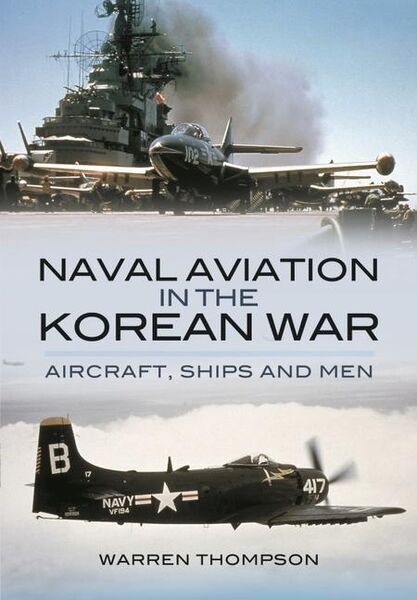
Produktbild: Naval Aviation in the Korean War

Naval Aviation in the Korean War Reflections of War - Vol1- Cover of Darkness

24,99 €

inkl. gesetzl. MwSt., zzgl. Versandkosten


  • Kostenlose Lieferung ab 30 € Einkaufswert
  • Versandkostenfrei für Bonuscard-Kund*innen

Beschreibung

The first part of this book covers the role of US aircraft carriers and aircraft in stopping the North Korean initial push to the south and also their role in the famous Inchon Landing and Pusan Perimeter Break out. The last part of the first chapter deals with naval operations during the Marine's Chosin...

Beschreibung

The first part of this book covers the role of US aircraft carriers and aircraft in stopping the North Korean initial push to the south and also their role in the famous Inchon Landing and Pusan Perimeter Break out. The last part of the first chapter deals with naval operations during the Marine's Chosin Reservoir march to the sea in December 1950. The book goes on to describe the stabilization of the front lines after the Chinese had entered the war during 1951. At this time, the emphasis for naval air operations is centered on interdiction behind the lines. The focus is on trying to stop road and rail traffic from resupplying the communist troops and allowing them to build up to a major offensive. Also, it includes the entry of the F2H Banshee into carrier operations which gave the USA four major types of aircraft to wage the war. During 1952 most carrier air groups spend their time off the coast of North Korea while hitting targets up along the Yalu River. This puts them well within the range of the MiG-15's. Navy F9F Panthers were used as top cover while the Corsairs and Skyraiders went after major targets such as the dam complexes up river and marshaling yards north of Pyongyang. During 1953 naval air operations were stepped up in an effort to get the communists back to the truce talks. The number of MiG-15's had grown to a figure many times that of the UN for overhead protection. The deep missions were more dangerous than ever and the Chinese brought in state of the art anti-aircraft automatic weapons. The number of sorties flown by the US Naval aircraft increased over the previous year's record numbers. The war ended on July 27, 1953.

Produktdetails

Einband

Taschenbuch

Erscheinungsdatum

27.01.2022

Abbildungen

3x16pp colour plates 250 75% colour 25% mono INTEGRATED

Verlag Pen & Sword Books Ltd

Produktdetails

Einband

Taschenbuch

Erscheinungsdatum

27.01.2022

Abbildungen

3x16pp colour plates 250 75% colour 25% mono INTEGRATED

Verlag Pen & Sword Books Ltd
Seitenzahl

176

Maße (L/B/H)

24,3/17/1,5 cm

Gewicht

654 g

Sprache

Englisch

ISBN

978-1-399-08515-1

Herstelleradresse

Libri GmbH
Europaallee 1
36244 Bad Hersfeld
DE

Email: gpsr@libri.de

Noch keine Bewertungen vorhanden

Verfassen Sie die erste Bewertung zu diesem Artikel

Helfen Sie anderen Kundinnen und Kunden durch Ihre Meinung.

Kundinnen und Kunden meinen

Bewertungen (0)

Die Leseprobe wird geladen.
  • Produktbild: Naval Aviation in the Korean War