Gutscheinbedingungen

**Gültig bis 14.09.2026 auf Spielzeug, Schreibwaren, Filme, Geschenke & Trends, Musik, tolino eReader & Zubehör, Hörbücher, nicht preisgebundene Bücher und Kalender in der Thalia App. Einzelne Artikel können ausgeschlossen sein. Aufgrund der Buchpreisbindung sind deutschsprachige Bücher und eBooks ausgenommen. Zusätzlich ausgenommen sind Abos & Flatrates, Games, Geschenkkarten/-boxen, Shelfies, Software, Zeitschriften sowie einzelne Artikel von tonies®. Pro Einkauf einmal einlösbar. Nur gültig mit im Onlineshop hinterlegter Bonuscard. Click & Collect nur bei Onlinevorabzahlung möglich. Keine Barauszahlung. Nicht kombinierbar mit anderen Aktionen und Gutscheinen. Gutschein wird auf max. 500€ Bestellwert angerechnet. Nicht gültig für Versandkosten und Services.

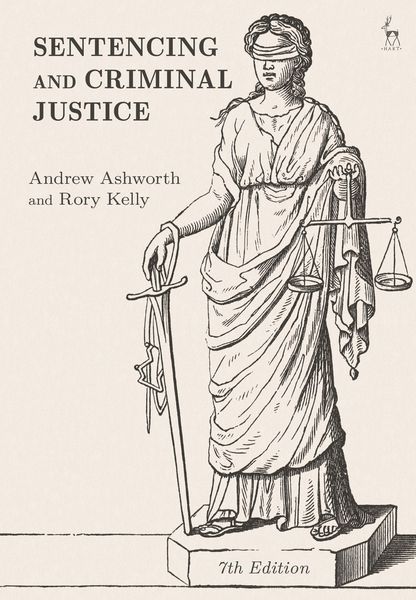
Produktbild: Sentencing and Criminal Justice

Sentencing and Criminal Justice

69,99 €

inkl. gesetzl. MwSt., Versandkostenfrei


Beschreibung

Produktdetails

Einband

Taschenbuch

Erscheinungsdatum

04.11.2021

Verlag

Bloomsbury

Seitenzahl

536

Maße (L/B/H)

24,3/17,1/3,3 cm

Gewicht

921 g

Auflage

7th edition

Sprache

Englisch

ISBN

978-1-5099-3628-1

Beschreibung

Produktdetails

Einband

Taschenbuch

Erscheinungsdatum

04.11.2021

Verlag

Bloomsbury

Seitenzahl

536

Maße (L/B/H)

24,3/17,1/3,3 cm

Gewicht

921 g

Auflage

7th edition

Sprache

Englisch

ISBN

978-1-5099-3628-1

Herstelleradresse

Libri GmbH
Europaallee 1
36244 Bad Hersfeld
DE

Email: gpsr@libri.de

Noch keine Bewertungen vorhanden

Verfassen Sie die erste Bewertung zu diesem Artikel

Helfen Sie anderen Kundinnen und Kunden durch Ihre Meinung.

Kundinnen und Kunden meinen

Bewertungen (0)

Die Leseprobe wird geladen.
  • Produktbild: Sentencing and Criminal Justice
  • 1. An Introduction to English Sentencing
    1.1. Courts and Crimes
    1.2. The Available Sentences
    1.3. The General Statistical Background
    1.4. What is Sentencing?
    1.5. The Principal Sources of Sentencing Law
    1.6. Conclusions
    2. Sentencing, the Sentencing Council and the Constitution
    2.1. The Separation of Powers in Sentencing
    2.2. The Constitutional Position of the Sentencing Council
    2.3. The Judiciary, the Executive and Sentencing Policy
    2.4. The Judicial College
    2.5. The Position of the Magistracy
    2.6. European Union Law
    2.7. The European Convention on Human Rights
    2.8. Conclusions
    3. Sentencing Aims, Principles and Policies
    3.1. The Aims of the Criminal Justice System
    3.2. The Role of the State
    3.3. The Rationales of Sentencing
    3.4. Some Principles and Policies
    3.5. Sentencing Rationales in Practice: Deterrence
    3.6. The Role of Public Opinion
    3.7. Conclusions
    4. Proportionality and Seriousness
    4.1. The Proportionality Principle
    4.2. Opinions about Offence-seriousness
    4.3. Developing Parameters of Ordinal Proportionality
    4.4. Offence-seriousness in Practice
    4.5. Individual Culpability
    4.6. Proportionality and Offence-seriousness
    5. Aggravation and Mitigation
    5.1. Some Preliminary Problems of Principle
    5.2. Aggravation as Increased Seriousness
    5.3. Mitigation as Diminished Seriousness
    5.4. Personal Mitigation
    5.5. Assisting the Criminal Justice System
    5.6. Mitigation and Aggravation in Practice
    5.7. Conclusions
    6. Equality Before the Law
    6.1. The Principle and its Challengers
    6.2. Race
    6.3. Gender
    6.4. Employment Status
    6.5. Financial Circumstances
    6.6. Social Status
    6.7. Equality, Parsimony and Risk
    7. Custodial Sentencing
    7.1. The State of the Prisons
    7.2. The Use of Imprisonment
    7.3. Principles for the Use of Custodial Sentences
    7.4. On the Cusp of Custody
    7.5. Medium-to-Long Custodial Sentences: Release on Licence
    7.6. Long Custodial Sentences
    7.7. Conclusions
    8. Non-custodial Sentencing
    8.1. A Brief History
    8.2. The Absolute Discharge
    8.3. Conditional Discharges and Bind-overs
    8.4. Compensation Orders
    8.5. Fines
    8.6. The Community Sentence
    8.7. Deferment of Sentence
    8.8. Conclusions
    9. Persistence, Prevention and Dangerousness
    9.1. Historical Introduction
    9.2. Four Approaches to Punishing Persistence
    9.3. Previous Convictions and the Current Law
    9.4. The Problem of 'Professional' Criminals
    9.5. Persistent Petty Offenders
    9.6. Behaviour Orders
    9.7. Minimum Sentences
    9.8. Sentencing 'Dangerous Offenders'
    9.9. Conclusion
    10. Multiple Offenders and Totality
    10.1. Charging the Multiple Offender
    10.2. The Problems of Sentencing Multiple Offenders
    10.3. Guidelines on Sentencing Multiple Offenders
    10.4. Totality: Time for a Fresh Start?
    11. Behaviour Orders and Ancillary Orders
    11.1. Outlining the Current Law
    11.2. Prevention, Punishment and the ASBO
    11.3. Behaviour Orders on Conviction
    11.4. Behaviour Orders on Application
    11.5. Ancillary Orders
    11.6. Revisiting the Nature of the Orders
    11.7. Sentencing for Breach of a Behaviour Order
    12. Special Sentencing Powers
    12.1. Young Offenders
    12.2. Young Adult Offenders
    12.3. Mentally Disordered Offenders
    13. Procedural Issues at Sentencing
    13.1. The Factual Basis for Sentencing
    13.2. The Defendant's Record
    13.3. The Role of the Prosecution
    13.4. Pre-sentence Reports
    13.5. Defence Speech in Mitigation
    13.6. The Obligation to Give Reasons for Sentence
    13.7. The Role of the Victim
    14. Sentencing, Guidelines and the Punitive State
    14.1. The Responsibility of Sentencing
    14.2. Rule-of-law Values, Discretion and Guidelines
    14.3. Guidelines and Penal Moderation
    14.4. Risk, Prevention and Public Protection
    14.5. Stepping Back from the Punitive State