Gutscheinbedingungen

**Gültig bis 28.07.2026 auf Spielzeug, Schreibwaren, Filme, Geschenke & Trends, Musik, tolino eReader & Zubehör, Hörbücher und Hörbuch-Downloads (außer Abo), nicht preisgebundene Bücher und Kalender in der Thalia App. Einzelne Artikel können ausgeschlossen sein. Aufgrund der Buchpreisbindung sind deutschsprachige Bücher und eBooks ausgenommen. Zusätzlich ausgenommen sind preisgebundene Artikel, Abos & Flatrates, eBooks, Games, Geschenkkarten/-boxen, Shelfies, Software, Zeitschriften sowie einzelne Artikel von tonies®. Pro Einkauf einmal einlösbar. Click & Collect nur bei Onlinevorabzahlung möglich. Keine Barauszahlung. Nicht kombinierbar mit anderen Aktionen und Gutscheinen. Gutschein wird auf max. 500€ Bestellwert angerechnet. Nicht gültig für Versandkosten und Services.

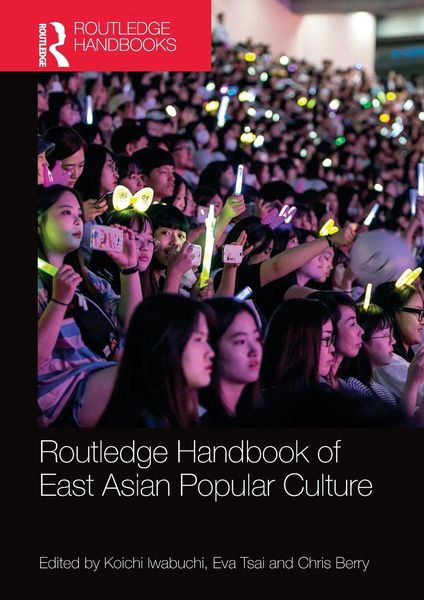
  • Produktbild: Routledge Handbook of East Asian Popular Culture
  • Produktbild: Routledge Handbook of East Asian Popular Culture

Routledge Handbook of East Asian Popular Culture

82,99 €

inkl. gesetzl. MwSt., Versandkostenfrei


Beschreibung

Produktdetails

Einband

Taschenbuch

Erscheinungsdatum

30.06.2020

Herausgeber

Iwabuchi Koichi + weitere

Verlag

Taylor & Francis

Seitenzahl

294

Maße (L/B/H)

24,6/17,4/1,7 cm

Gewicht

570 g

Sprache

Englisch

ISBN

978-0-367-58141-1

Beschreibung

Produktdetails

Einband

Taschenbuch

Erscheinungsdatum

30.06.2020

Herausgeber

Verlag

Taylor & Francis

Seitenzahl

294

Maße (L/B/H)

24,6/17,4/1,7 cm

Gewicht

570 g

Sprache

Englisch

ISBN

978-0-367-58141-1

Herstelleradresse

Libri GmbH
Europaallee 1
36244 Bad Hersfeld
DE

Email: Libri GmbH

Noch keine Bewertungen vorhanden

Verfassen Sie die erste Bewertung zu diesem Artikel

Helfen Sie anderen Kundinnen und Kunden durch Ihre Meinung.

Kundinnen und Kunden meinen

Bewertungen (0)

Die Leseprobe wird geladen.
  • Produktbild: Routledge Handbook of East Asian Popular Culture
  • Produktbild: Routledge Handbook of East Asian Popular Culture
  • Introduction: Critical approaches to East Asian pop culture


    Part I: Historicization and Spatialization of East Asian pop culture


    1. Historicizing East Asian Pop Culture,


    2. East Asian popular culture and inter-Asian referencing


    3. Hybridity, Korean Wave and Asian Media


    4. Been informal and formal cultural economy: Chinese subtitle groups and flexible accumulation in the age of online viewing


    5. Digital Diaspora, Mobility and Home


    Part II: The development of national production and its regional circulation/connection


    6. Films


    6a. Ways of S. Korean Cinema: Phantom, Trans –Cinema and Korean Blockbusters


    6b. Welcome to Chollywood: Chinese Language Cinema as a Transborder Assemblage


    6c. Globalism, New Media, and Cinematically Imagining the Inescapable Japan


    7. TV dramas


    7a. Bordercrossing, Local Modification and Transnational Transaction of TV Dramas in East Asia


    7b. Confucian Heroes in Popular Asian Dramas in the Age of Capitalism


    8. Pop Music


    8a. K-pop, the Sound of Subaltern Cosmopolitanism?


    8b. The legendary live venues and the changing music scenes in Taipei and Beijing: Underworld and D22

    9. Social media and popular activism


    9a. Social Media and Popular Activism in a Korean Context


    9b. Mobilizing Discontent: Social Media and Networked Activism since the Great East Japan Earthquake


    9c. Social media in China: between an emerging civil society and commercialization


    View III: Gender. Sexuality and Asian celebrity


    10. East Asian stars, - public space and star studies


    11. Ribbons and Frills: Shōjo Sensibility and the Transnational Imaginary


    12. Queer Pop Culture in the Sinophone Mediasphere


    13. Male and Female Idols of the Chinese Pornosphere


    14. Soft, Smooth with Chocolate Abs: Performance of a Korean Masculinity in Taiwanese Men’s Fashion


    Part IV: Politics of the commons


    15. Shanzhai culture, Dafen art and Copyrights


    16. Regional soft power/creative industries competition


    17. Popular Culture and Historical Memories of War in Asia


    18. Film Festivals and Regional Cosmopolitanism in East Asia: the case of Busan International Film Festival


    19. Trans-East-Asia as method