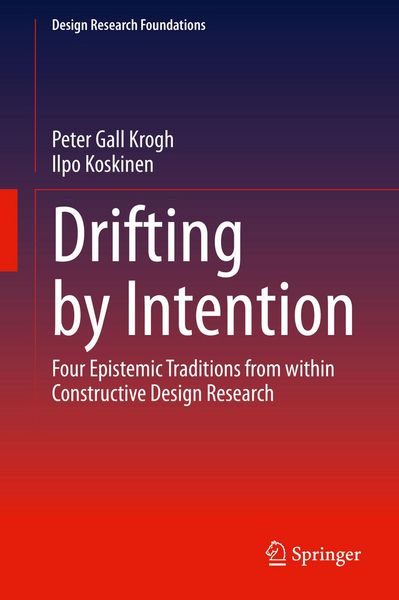
Drifting by Intention Four Epistemic Traditions from within Constructive Design Research
-
- Hardcover
- Taschenbuch
- eBook ausgewählt
-
Form:Einzelkauf Download
-
Sprache:Englisch
109,99 €
inkl. gesetzl. MwSt.Beschreibung
Produktdetails
Format
Kopierschutz
Nein
Family Sharing
Nein
Text-to-Speech
Nein
Erscheinungsdatum
11.03.2020
Verlag
SpringerSeitenzahl
146 (Printausgabe)
Dateigröße
3647 KB
Sprache
Englisch
EAN
9783030378967
Constructive design research, is an exploratory endeavor building exemplars, arguments, and evidence. In this monograph, it is shown how acts of designing builds relevance and articulates knowledge in combination. Using design acts to build new knowledge, invite reframing of questions and new perceptions to build up. Respecting the emergence of new knowledge in the process invite change of cause and action. The authors' term for this change is drifting; designers drift; and they drift intentionally, knowing what they do. The book details how drifting is a methodic practice of its own and provides examples of how and where it happens. This volume explores how to do it effectively, and how it depends on the concept of knowledge.
The authors identify four epistemic traditions in constructive design research. By introducing a Knowledge/Relevance model they clarify how design experiments create knowledge and what kinds of challenges and contributions designers face when drifting. Along the lines of experimental design work the authors identify five main ways in which constructive experiments drift. Only one of them borrows its practices from experimental science, others build on precedents including arts and craft practices. As the book reveals, constructive design research builds on a rich body of research that finds its origins in some of the most important intellectual movements of 20th century. This background further expands constructive design research from a scientific model towards a more welcoming understanding of research and knowledge.
This monograph provides novel actionable models for steering and navigating processes of constructive design research. It helps skill the design researcher in participating in the general language games of research and helps the design researcher build research relations beyond the discipline.
Noch keine Bewertungen vorhanden
Verfassen Sie die erste Bewertung zu diesem Artikel
Helfen Sie anderen Kundinnen und Kunden durch Ihre Meinung.
Kurze Frage zu unserer Seite
Vielen Dank für Ihr Feedback
Wir nutzen Ihr Feedback, um unsere Produktseiten zu verbessern. Bitte haben Sie Verständnis, dass wir Ihnen keine Rückmeldung geben können. Falls Sie Kontakt mit uns aufnehmen möchten, können Sie sich aber gerne an unseren Kund*innenservice wenden.
zum Kundenservice