Acknowledgments
Introduction
Beate Neumeier
Section 1: Politics of the Land and Indigenous Knowledge
1 The Museumesque in Pristine Wilderness
Alexis Wright
2 The Smooth Spaceof theNomads: IndigenousOutopia, IndigenousHeterotopia
and the Exampleof Australia
Norbert Finzsch
3 From Reverence to Rampage: Care for Country vs. Ruthless Exploitation
Catherine Laudine
Section 2: Colonial Legacies and Current Environmental Concerns
4 Australian Conservation Policies and the Owls of Lord Howe Island
Helen Tiffin
5Biological Colonisation in the Land of Flowers
Anna Haebich
6 Moving Trees and Trading Melons: Reconstructing Local Knowledge and Settler Practices in 1840s South Australia
Eva Bischoff
Section 3: Ecocriticism and Fieldwork
7 Ecologies of the Otherwise: Glimpses of Australia after the Resources Boom
Carsten Wergin
8 On The Beaten Track: Ambiguous Wilderness in the Tourist Space of Indigenous Australia Anke Tonnaer
9 Yan-nha?u Language of the Crocodile Islands: Anchoredness, Kin, and Country
Dany Adone, Melanie Brück, Bentley James
Section 4: Ecocritical Approaches to Colonial Art
10 Reconstructing Representations: 'Australia' as Ecocritical Andragogy
CA Cranston
11 Killing and Sentiment in the Colonial Australian Kangaroo Hunt Narrative
Ken Gelder and Rachael Weaver
12 Marriage, Mining and Environmental Destruction in Nineteenth-Century Fiction about Australia
Philip Mead
Section 5: Ecocritical Concerns Across Contemporary Arts: Indigenous Voices in Fiction, Poetry and Performing Arts
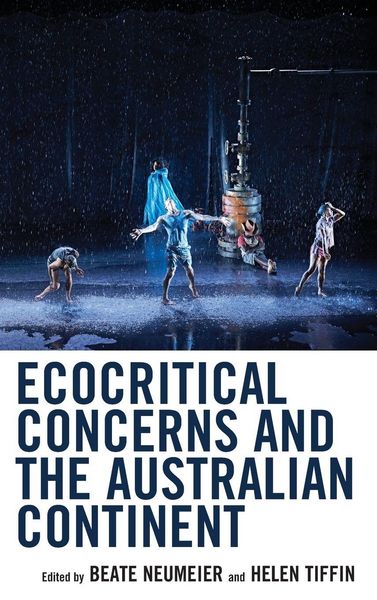
13 Performing the Anthropocene: Marrugeku's Cut the Sky
Helen Gilbert
14 Corporate Interest and the Power of Mines in Indigenous Writing and Film:
Alexis Wright's Carpentaria (2006) and Ivan Sen's Goldstone (2016)
Victoria Herche and David Kern
15 Defying the 'Ecological Indian': The Urban Ecopoetry of Samuel Wagan Watson
Katrin Althans
Section 6: Coda - Crossing Boundaries
16 Australia's Great Barrier Reef: Two Personal Accounts
Helen Tiffin and Sandra Williams
About the Contributors