Gutscheinbedingungen

**Gültig bis 06.07.2026 auf fremdsprachige Bücher online auf thalia.at, in der Thalia App ab einem Mindestbestellwert von 30€ und in allen Thalia Buchhandlungen in Österreich. In den Buchhandlungen nur gültig auf lagernde Ware. Einzelne Artikel können ausgeschlossen sein. Ausgenommen sind preisgebundene Artikel & eBooks. Pro Einkauf einmal einlösbar. Nur gültig gegen Vorlage oder im Onlineshop hinterlegter Bonuscard. Infos zur Einlösung in der Buchhandlung sind auf der Bonuscard-Vorteilspreisseite zu finden. Click & Collect nur bei Onlinevorabzahlung möglich. Keine Einlösung bei Scan & Go-Bezahlung. Keine Barauszahlung. Nicht kombinierbar mit anderen Aktionen und Gutscheinen. Gutschein wird auf max. 500€ Bestellwert angerechnet. Nicht gültig für Versandkosten und Services.

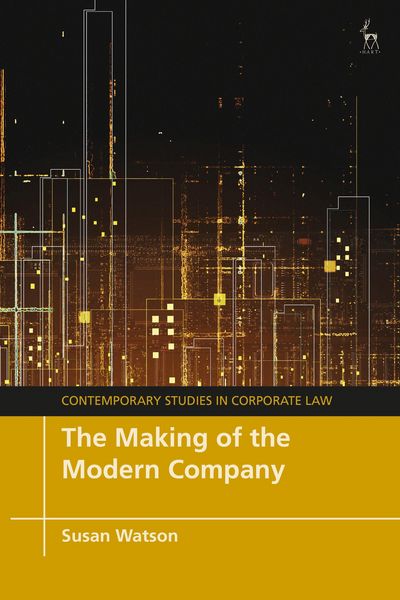
Produktbild: The Making of the Modern Company

The Making of the Modern Company

141,99 €

inkl. gesetzl. MwSt., Versandkostenfrei


Beschreibung

Produktdetails

Einband

Gebundene Ausgabe

Erscheinungsdatum

02.06.2022

Verlag

Hart Publishing

Seitenzahl

336

Maße (L/B/H)

24/16,1/2,3 cm

Gewicht

669 g

Sprache

Englisch

ISBN

978-1-5099-2362-5

Beschreibung

Produktdetails

Einband

Gebundene Ausgabe

Erscheinungsdatum

02.06.2022

Verlag

Hart Publishing

Seitenzahl

336

Maße (L/B/H)

24/16,1/2,3 cm

Gewicht

669 g

Sprache

Englisch

ISBN

978-1-5099-2362-5

Herstelleradresse

Libri GmbH
Europaallee 1
36244 Bad Hersfeld
DE

Email: gpsr@libri.de

Noch keine Bewertungen vorhanden

Verfassen Sie die erste Bewertung zu diesem Artikel

Helfen Sie anderen Kundinnen und Kunden durch Ihre Meinung.

Kundinnen und Kunden meinen

Bewertungen (0)

Die Leseprobe wird geladen.
  • Produktbild: The Making of the Modern Company
  • 1. Introduction
    I. Introduction
    II. Key Features
    III. Property versus Social Entity
    IV. The Agency Problem
    V. The Making of the Modern Company

    PART ONE
    DEVELOPMENT OF THE MODERN COMPANY
    2. Persona Ficta and Joint Stock
    I. Two Kinds of Legal Organisation
    II. Early Corporate Enterprises
    III. Early Funds
    IV. Contractual Joint Stock Companies
    V. Business Corporations
    VI. Separate Legal Entity
    VII. Persona Ficta
    VIII. Conclusion

    3. The Transition to Permanent Capital in the English East India Company
    I. Introduction
    II. The First Twenty Years
    III. The Second Twenty Years
    IV. The Third Twenty Years
    V. The 1657 Charter

    4. Corporate Governance in the English East India Company
    I. Introduction
    II. Development of Governance Structures in Early Business Corporations
    III. Shareholder Activism in the English East India Company
    IV. Maurice Thomson and the Emergence of Directors' Duties

    5. The Rise and Fall of the English East India Company
    I. The English East India Company with Permanent Capital
    II. The Impact of the Legal Structure
    III. Private Trade in the English East India Company
    IV. The Fall of the English East India Company
    V. Conclusion - The English East India Company in Context

    6. The Early Emergence of Directors' Duties
    I. Introduction
    II. Emerging Obligations of the Governing Body of the English East India Company
    III. Role of the Oath in the Obligations of Governing Bodies
    IV. Charitable Corporation v Sutton
    V. Development of Duties Around Conflict of Interest

    7. Liability of Shareholders of Business Corporations
    I. Introduction
    II. Liability of Shareholders to Third-Party Creditors
    III. Could Shareholders be Compelled to Contribute Capital to the Company?
    IV. Shift in Focus to the Contractual Joint Stock Company

    8. The Significance of the Deed of Settlement Company
    I. Introduction
    II. The Bubble Act
    III. The Deed of Settlement Company
    IV. The Efficacy of the Deed of Settlement Company
    V. The Business Corporation in the Eighteenth Century
    VI. The Relative Adoption of the Two Corporate Forms
    VII. Corporate Governance in Deed of Settlement Companies
    VIII. Conclusion

    9. General Incorporation Statutes
    I. Introduction
    II. The Joint Stock Companies Act 1844
    III. The Joint Stock Companies Act 1856
    IV. Limited Liability
    V. Was the Modern Company a Partnership or a Corporation?
    VI. Salomon v Salomon & Co Ltd

    10. Key Milestones in the Development of the Modern Company
    I. Introduction
    II. Double-Entry Bookkeeping
    III. The Floating Charge
    IV. Company Law
    V. The Significance of Salomon
    VI. Conclusion

    PART TWO
    CONSEQUENCES OF THE MODERN COMPANY
    11. England Compared with Other Jurisdictions
    I. Introduction
    II. United States and Germany Compared with England
    III. 'Quaker' Companies
    IV. The Early US Corporation
    V. Germany
    VI. Conclusion

    12. The Transition to the Modern Company in England
    I. Introduction
    II. Slow Adoption of the Corporate Form
    III. Financing Structure
    IV. Financing after the General Incorporation Statutes
    V. Contemporaneous Commentary on English Financing of Companies
    VI. The Private Company
    VII. Founders and Families Retaining Control
    VIII. Delays in Management Power Shifting from Shareholders to the Board
    IX. Conclusion

    13. Conceptions of the Components and Characteristics of the Company
    I. The Corporate Fund and Entity Shielding
    II. The Corporate Fund in History
    III. The Corporate Fund and Creditors
    IV. The Corporate Fund as a Concept
    V. Understanding the Corporate Fund through the Floating Charge
    VI. Property Rights in the Company
    VII. Conceptions of the Company
    VIII. The Nature of Legal Personhood
    IX. The Modern Company as a Legal Fiction
    X. The Persona Ficta Modified
    XI. The Significance of the Persona Ficta
    XII. Separate Legal Entity and Legal Personhood
    XIII. Conclusion

    14. The Modern Company as an Entity
    I. Introduction
    II. The Role of Real Entity Theory
    III. The Contribution of Real Entity Theory to the Understanding of the Modern Company
    IV. The Modern Company as a Real Entity
    V. The Persona of the Corporate Entity
    VI. The Modern Company as a Firm
    VII. The Modern Company as an Organisation
    VIII. The Modern Company as an Entity
    IX. The Accounting Entity

    15. Corporate Governance
    I. Introduction
    II. Are Directors the Legal Agents of Shareholders?
    III. Are Directors the Economic Agents of Shareholders?
    IV. Berle and Means
    V. Entity Primacy
    VI. Should Companies Maximise Wealth for Shareholders?
    VII. Obligations of Directors
    VIII. Operationalising Entity Primacy
    IX. Conclusion

    16. The Modern Company: Perils and Potential
    I. Corporate Morality
    II. Sustainability Realised
    III. Personal Capitalism
    IV. The Modern Company