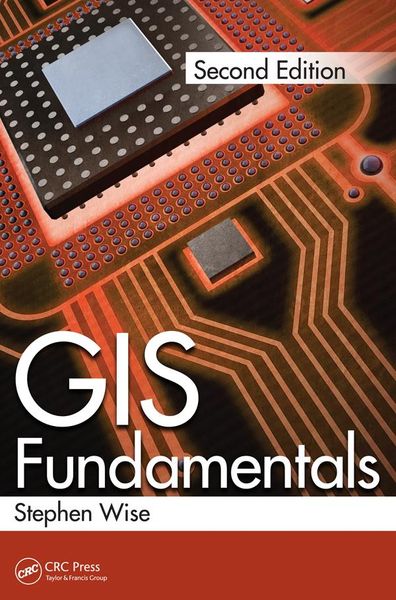
GIS Fundamentals
-
- Taschenbuch
- eBook ausgewählt
-
Form:Einzelkauf Download
-
Sprache:Englisch
-
eBook Format:PDF
- ePUB 3 76,10 €
- PDF 76,10 € ausgewählt
76,10 €
inkl. gesetzl. MwSt.Beschreibung
Produktdetails
Format
Kopierschutz
Ja
Family Sharing
Nein
Text-to-Speech
Nein
Erscheinungsdatum
03.09.2018
Verlag
Taylor & Francis eBooksSeitenzahl
338 (Printausgabe)
Dateigröße
7808 KB
Auflage
2. Auflage
Sprache
Englisch
EAN
9781315363066
With GIS technology increasingly available to a wider audience on devices from apps on smartphones to satnavs in cars, many people routinely use spatial data in a way which used to be the preserve of GIS specialists. However spatial data is stored and analyzed on a computer still tends to be described in academic texts and articles which require specialist knowledge or some training in computer science. Developed to introduce computer science literature to geography students, GIS Fundamentals, Second Edition provides an accessible examination of the underlying principles for anyone with no formal training in computer science.
See What's New in the Second Edition:
- Coverage of the use of spatial data on the Internet
- Chapters on databases and on searching large databases for spatial queries
- Improved coverage on route-finding
- Improved coverage of heuristic approaches to solving real-world spatial problems
- International standards for spatial data
The book begins with a brief but detailed introduction to how computers work and how they are programmed, giving anyone with no previous computer science background a foundation to understand the remainder of the book. As with all parts of the book there are also suggestions for further sources of reading. The book then describes the ways in which vector and raster data can be stored and how algorithms are designed to perform fundamental operations such as detecting where lines intersect. From these simple beginnings the book moves into the more complex structures used for handling surfaces and networks and contains a detailed account of what it takes to determine the shortest route between two places on a network. The final sections of the book review problems, such as the "Travelling Salesman" problem, which are so complex that it is not known whether an optimum solution exists.
Using clear, concise language, but without sacrificing technical rigour, the book gives readers an understanding of what it takes to produce systems which allow them to find out where to make their next purchase and how to drive to the right place to collect it.
Kundinnen und Kunden meinen
Verfassen Sie die erste Bewertung zu diesem Artikel
Helfen Sie anderen Kund*innen durch Ihre Meinung
Kurze Frage zu unserer Seite
Vielen Dank für Ihr Feedback
Wir nutzen Ihr Feedback, um unsere Produktseiten zu verbessern. Bitte haben Sie Verständnis, dass wir Ihnen keine Rückmeldung geben können. Falls Sie Kontakt mit uns aufnehmen möchten, können Sie sich aber gerne an unseren Kund*innenservice wenden.
zum Kundenservice