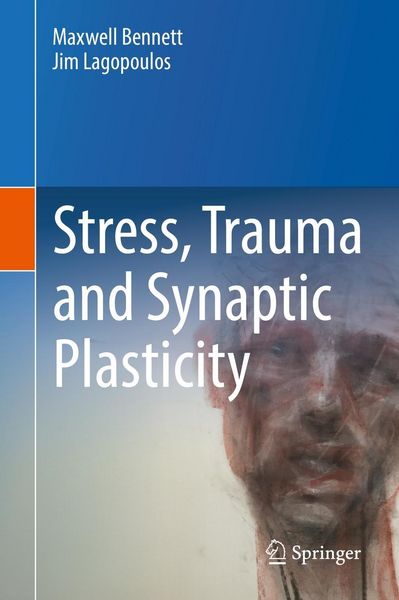
Stress, Trauma and Synaptic Plasticity
153,99 €
inkl. gesetzl. MwSt.Beschreibung
Produktdetails
Format
Kopierschutz
Nein
Family Sharing
Nein
Text-to-Speech
Nein
Erscheinungsdatum
01.02.2019
Verlag
SpringerSeitenzahl
231 (Printausgabe)
Dateigröße
5877 KB
Sprache
Englisch
EAN
9783319911168
This book presents the latest state of knowledge on grey matter changes in the brain following stress and trauma. Where do these changes take place and what are the underlying molecular mechanisms? These questions are addressed in several sections, providing detailed insights into the cellular and molecular alterations that occur in the brain after stress and trauma.
The changes to the grey matter in certain areas of the brain are similar in stressed humans and animals, with the most likely basis for these changes being the degeneration of synaptic connections. In the book's first sections the reader will learn about the core network of synaptic connections that are affected by stress and trauma disorders. These synaptic connections are modulated by dopamine, serotonin and Brain Derived Neurotrophic Factor (BDNF). In subsequent chapters, the NMDA-receptor mediated plasticity of these synapses is discussed, with particular attention given to how glucocorticoids can interfere with the function of BDNF and thereby affect the synapse's physical stability. Furthermore, the reader will learn about the importance of the genetics of the glucocorticoid gene and the epigenetic control of BDNF in connection with synaptic plasticity. The authors conclude by integrating the observations summarized in the previous sections so as to present plausible hypotheses regarding the identity of the networks, synapses and molecular pathways that support fear and extinction.
Providing an up-to-date overview of the mechanisms of synaptic plasticity and physiological changes in the stressed and traumatized brain, this book will appeal to researchers, clinicians and students in the neurosciences.
M. R. Bennett AO is an internationally renowned neuroscientist. He is a professor of Neuroscience & University Chair at the University of Sydney, the founding director of the 'Brain and Mind Research Institute' and has been the president and organizer of many societies and symposia. His research has led to groundbreaking revelations in understanding synaptic functioning. He is the author of numerous papers and books, including 'Philosophical Foundations of Neuroscience' (2003 with Peter Hacker) and the recent works 'Virginia Woolf and Neuropsychiatry' (2013), 'History of Cognitive Neuroscience (2008 with Peter Hacker) and 'Neuroscience and Philosophy: Brain, Mind and Language (2006 with Daniel Dennett, John Searle and Peter Hacker). Prof. Bennett has received the leading award in biology and medicine in Australia (the Macfarlane Burnet Medal) as well as being made an 'Office of the Order of Australia' for his outstanding 'service to the biological sciences, particularly in the field of neurosciences'.
Professor J. Lagopoulos is the inaugural director of the Sunshine Coast Mind and Neuroscience - Thompson Institute, which focuses on mental health and neurological research, clinical services and teaching. He is an expert in magnetic resonance imaging (MRI) and has been involved in neuroimaging for over 20 years. His work focuses on youth mental health, post-traumatic stress disorders, traumatic brain injury and healthy brain ageing and dementia. Prof. Lagopoulos is a leading academic and medical specialist who has published more than 170 peer-reviewed papers and contributed to several books. He is member of numerous international societies, including the 'International Society for Magnetic Resonance in Medicine' and the 'Organization of Human Brain Mapping'. He has received several awards, including the 'Westmead Foundation Prize'.
Noch keine Bewertungen vorhanden
Verfassen Sie die erste Bewertung zu diesem Artikel
Helfen Sie anderen Kundinnen und Kunden durch Ihre Meinung.
Kurze Frage zu unserer Seite
Vielen Dank für Ihr Feedback
Wir nutzen Ihr Feedback, um unsere Produktseiten zu verbessern. Bitte haben Sie Verständnis, dass wir Ihnen keine Rückmeldung geben können. Falls Sie Kontakt mit uns aufnehmen möchten, können Sie sich aber gerne an unseren Kund*innenservice wenden.
zum Kundenservice