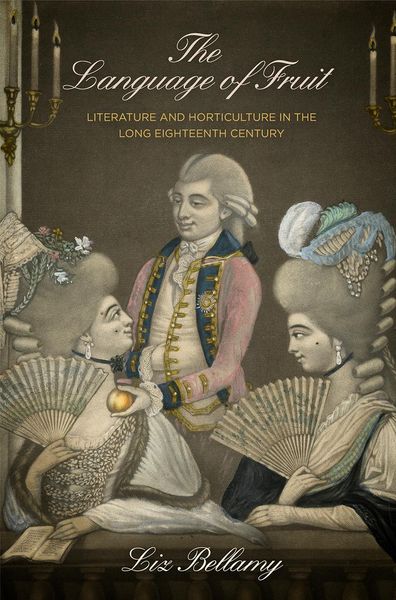
The Language of Fruit Literature and Horticulture in the Long Eighteenth Century
81,39 €
inkl. gesetzl. MwSt.Beschreibung
Produktdetails
Format
ePUB
Kopierschutz
Nein
Family Sharing
Nein
Text-to-Speech
Ja
Erscheinungsdatum
25.01.2019
Verlag
Manchester University PressSeitenzahl
256 (Printausgabe)
Dateigröße
6163 KB
Sprache
Englisch
EAN
9780812295832
In The Language of Fruit, Liz Bellamy explores how poets, playwrights, and novelists from the Restoration to the Romantic era represented fruit and fruit trees in a period that saw significant changes in cultivation techniques, the expansion of the range of available fruit varieties, and the transformation of the mechanisms for their exchange and distribution. Although her principal concern is with the representation of fruit within literary texts and genres, she nevertheless grounds her analysis in the consideration of what actually happened in the gardens and orchards of the past.
As Bellamy progresses through sections devoted to specific literary genres, three central "characters" come to the fore: the apple, long a symbol of natural abundance, simplicity, and English integrity; the orange, associated with trade and exchange until its "naturalization" as a British resident; and the pineapple, often figured as a cossetted and exotic child of indulgence epitomizing extravagant luxury. She demonstrates how the portrayal of fruits within literary texts was complicated by symbolic associations derived from biblical and classical traditions, often identifying fruit with female temptation and sexual desire. Looking at seventeenth-century poetry, Restoration drama, eighteenth-century georgic, and the Romantic novel, as well as practical writings on fruit production and husbandry, Bellamy shows the ways in which the meanings and inflections that accumulated around different kinds of fruit related to contemporary concepts of gender, class, and race.
Examining the intersection of literary tradition and horticultural innovation, The Language of Fruit traces how writers from Andrew Marvell to Jane Austen responded to the challenges posed by the evolving social, economic, and symbolic functions of fruit over the long eighteenth century.
Noch keine Bewertungen vorhanden
Verfassen Sie die erste Bewertung zu diesem Artikel
Helfen Sie anderen Kundinnen und Kunden durch Ihre Meinung.
Kurze Frage zu unserer Seite
Vielen Dank für Ihr Feedback
Wir nutzen Ihr Feedback, um unsere Produktseiten zu verbessern. Bitte haben Sie Verständnis, dass wir Ihnen keine Rückmeldung geben können. Falls Sie Kontakt mit uns aufnehmen möchten, können Sie sich aber gerne an unseren Kund*innenservice wenden.
zum Kundenservice