• Produktbild: Cultural Proficiency
  • Produktbild: Cultural Proficiency

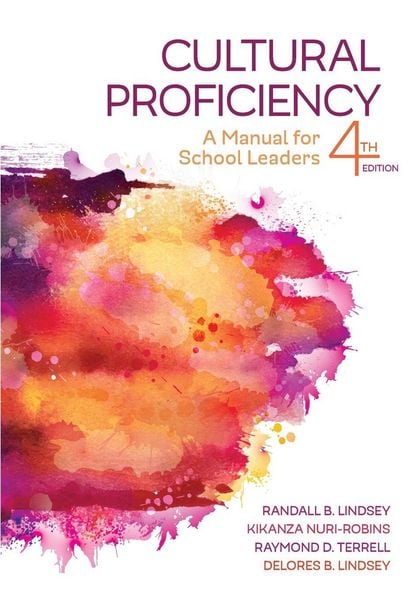
Cultural Proficiency A Manual for School Leaders

54,99 €

inkl. gesetzl. MwSt., Versandkostenfrei


Beschreibung

Produktdetails

Einband

Taschenbuch

Erscheinungsdatum

27.08.2018

Verlag

Sage Publications

Seitenzahl

360

Maße (L/B/H)

25,4/17,8/2 cm

Gewicht

680 g

Auflage

4. überarbeitete Auflage

Sprache

Englisch

ISBN

978-1-5063-9054-3

Beschreibung

Produktdetails

Einband

Taschenbuch

Erscheinungsdatum

27.08.2018

Verlag

Sage Publications

Seitenzahl

360

Maße (L/B/H)

25,4/17,8/2 cm

Gewicht

680 g

Auflage

4. überarbeitete Auflage

Sprache

Englisch

ISBN

978-1-5063-9054-3

Herstelleradresse

Libri GmbH
Europaallee 1
36244 Bad Hersfeld
DE

Email: Libri GmbH

Noch keine Bewertungen vorhanden

Verfassen Sie die erste Bewertung zu diesem Artikel

Helfen Sie anderen Kundinnen und Kunden durch Ihre Meinung.

Kundinnen und Kunden meinen

Bewertungen (0)

  • Produktbild: Cultural Proficiency
  • Produktbild: Cultural Proficiency
  • Preface to the Fourth Edition
    Foreword to the Third Edition
    Foreword to the Second Edition
    Foreword to the First Edition
    Acknowledgments
    About the Authors
    PART I. UNDERSTANDING CULTURAL PROFICIENCY
    1. Cultural Proficiency
    Cultural Proficiency: An Inside-Out Approach to Difference
    The Four Tools
    A Historical Context
    Why Would I or My School Want to Engage?
    Learning and Educating Effectively
    Living in a Global Community
    Participating in the Community
    Culturally Proficient Leadership: Diversity "Is"
    Resources for Developing Culturally Proficient Leaders
    Read the Text First
    Cultural Proficiency Books' Essential Questions
    Going Deeper: Reflection
    Going Deeper: Dialogic Questions
    2. A Cultural and Historical Context for Our Unfolding Democracy
    An Inside-Out Approach
    What It Takes
    Culture Is . . .
    What Happened to Race?
    The Legacy of Segregation and Exclusion
    A History of Caste in the United States
    Labels for Historically Oppressed People
    From Segregation to Cultural Proficiency
    Culture and History Provide Perspective
    Going Deeper: Reflection
    Going Deeper: Dialogic Questions
    3. Leadership for Today's Schools
    Our Journey With Culturally Proficient Leaders
    Culturally Proficient Leadership: Exploring Deeply Held Values for Equity
    Shared Vision
    Long-Term, Systemic Change: Finding Leverage Points for Acti
    Limitations of Local School Change Initiatives
    Inside-Out Approach to Change: Why Leaders Ask Why?
    Cultural Proficiency as a Frame for Change
    Reflection
    Culturally Proficient Leadership Is Transformative
    Continuum as a Guide: Creating Initial Awareness Is Cultural Precompetence
    Tools for Change
    Formal and Nonformal Leaders
    Reflection
    Culturally Proficient Leaders Focus on Inequities
    Going Deeper: Reflection
    Going Deeper: Dialogic Questions
    4. Framing Your Work With the Tools of Cultural Proficiency
    The Important First Step: Inside-Out Change
    Cultural Proficiency Conceptual Framework
    The Four Tools of Cultural Proficiency
    Going Deeper: Reflection
    Going Deeper: Dialogic Questions
    PART II. USING THE TOOLS OF CULTURAL PROFICIENCY
    5. The Tool: Overcoming Barriers
    Barriers to Cultural Proficiency
    This Chapter Is for Everyone
    Caveat: Systemic Oppression
    Caveat: Privilege and Entitlement
    Caveat: Unawareness of the Need to Adapt
    Changing Educational Practices
    Culturally Proficient Educators
    Overcoming Resistance
    Very Good News
    Going Deeper: Reflection
    Going Deeper: Dialogic Questions
    6. The Tool: The Guiding Principles of Cultural Proficiency
    Cultural Proficiency as an Expression of Values
    Principle: Culture Is Ever Present
    Principle: People Are Served in Varying Degrees by the Dominant Culture
    Principle: People Have Group Identities and Personal Identities
    Principle: Diversity Within Cultures Is Important
    Principle: Each Group Has Unique Cultural Needs That Must Be Respected
    Principle: The Family, as Defined by Each Culture, Is the Primary System of Support in the Education of Children
    Principle: People Who Are Not a Part of the Dominant Culture Have to Be at Least Bicultural
    Principle: Inherent in Cross-Cultural Interactions Are Social and Communication Dynamics That Must Be Acknowledged, Adjusted to, and Accepted
    Principle: The School System Must Incorporate Cultural Knowledge Into Practice and Policymaking
    Make It Count
    Going Deeper: Reflection
    Going Deeper: Dialogic Questions
    7. The Tool: The Cultural Proficiency Continuum
    Macro- and Microaggressions
    The Continuum
    Going Deeper: Reflection
    Going Deeper: Dialogic Questions
    8. The Tool: The Essential Elements
    The Essential Elements of Cultural Proficiency
    Finding Leverage for School Leadership
    Going Deeper: Reflection
    Going Deeper: Dialogic Questions
    PART III. MAKING THE COMMITMENT TO CULTURAL PROFICIENCY
    9. Commit to Action
    So Where Do You Start?
    You Are Here
    Action Through Transformative Collaborative Inquiry
    Design the Inquiry
    Going Deeper: Reflection
    Going Deeper: Dialogic Questions
    10. A Note to Those Preparing School Leaders
    Preamble
    Introduction
    Historical Overview
    Legacy in Part
    Transformative Leadership Is Inclusive Leadership
    Systemic Leadership and Tools of Cultural Proficiency
    Achievement Gaps, Disproportionality, and Our Preparation Programs
    Call to Action
    References
    Resources
    Introduction to Learning Strategies
    Do Your Own Work
    Believe It
    Be Able to Work Without the Script
    Set the Tone
    Take Time to Process
    Use Small Groups
    Work in Teams
    Develop Your Own Style
    Be Prepared for Trouble
    Have Fun
    Resource A: Understanding Diversity
    Learning Strategy 1: Telling Your Stories
    Learning Strategy 2: Diversity in Your Life
    Learning Strategy 3: Stand Up
    Learning Strategy 4: Line Up
    Resource B: Getting to Know Myself
    Learning Strategy 1: Journaling
    Learning Strategy 2: Diversity Lifeline
    Learning Strategy 3: Name Five Things
    Learning Strategy 4: Who Are You?
    Learning Strategy 5: Who Am I?
    Learning Strategy 6: Cultural Portrait
    Learning Strategy 7: Identities
    Learning Strategy 8: Group Stereotypes
    Learning Strategy 9: The Process of Personal Change
    Learning Strategy 10: Seven Dynamics of Change
    Learning Strategy 11: Paradigms
    Learning Strategy 12: Strength Bombardment
    Resource C: Getting to Know Your Colleagues and Your Organization
    Learning Strategy 1: Introductory Grid
    Learning Strategy 2: Cultural Perceptions
    Learning Strategy 3: What's in a Name?
    Learning Strategy 4: Totems or Crests
    Learning Strategy 5: Family Portrait
    Learning Strategy 6: Group Stereotypes
    Learning Strategy 7: Circle of History
    Learning Strategy 8: Storytelling
    Learning Strategy 9: Voices That Resonate
    Learning Strategy 10: Needs Assessment
    Resource D: Understanding Power and Privilege
    Learning Strategy 1: Barriers to Cultural Proficiency
    Learning Strategy 2: Describe a Culturally Incompetent Organization
    Learning Strategy 3: A Survey of Privilege and Entitlement
    Learning Strategy 4: Listening and Hearing
    Learning Strategy 5: Seven-Minute Day
    Resource E: Going Deeper With the Principles
    Learning Strategy 1: Guiding Principles Discussion Starters
    Learning Strategy 2: Family Values
    Learning Strategy 3: My Work Values
    Learning Strategy 4: Examining Your Organizational Values
    Resource F: Going Deeper With the Continuum
    Learning Strategy 1: Cultural Proficiency Continuum
    Learning Strategy 2: Exploring Behaviors Along the Continuum
    Resource G: Going Deeper With the Essential Elements
    Learning Strategy 1: Using the Essential Elements
    Learning Strategy 2: Essential Elements of Culturally Proficient Leaders
    Learning Strategy 3: Cultural Competence Self-Assessment
    Resource H: Book Study Guide
    Resource I: Cultural Proficiency Books' Essential Questions
    Suggested Foundational Readings
    References
    Index