KI-Beratung Beta

  • Produktbild: Reading with Writing in Mind
  • Produktbild: Reading with Writing in Mind

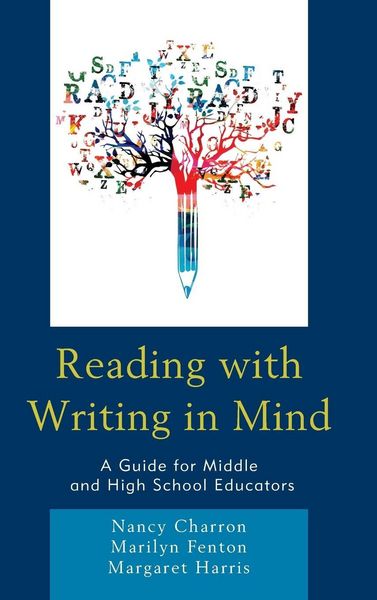
Reading with Writing in Mind A Guide for Middle and High School Educators

109,99 €

inkl. gesetzl. MwSt., Versandkostenfrei


Beschreibung

Produktdetails

Einband

Gebundene Ausgabe

Erscheinungsdatum

30.11.2017

Verlag

Rowman & Littlefield

Seitenzahl

142

Maße (L/B/H)

23,5/15,7/1,2 cm

Gewicht

367 g

Sprache

Englisch

ISBN

978-1-4758-4004-9

Beschreibung

Produktdetails

Einband

Gebundene Ausgabe

Erscheinungsdatum

30.11.2017

Verlag

Rowman & Littlefield

Seitenzahl

142

Maße (L/B/H)

23,5/15,7/1,2 cm

Gewicht

367 g

Sprache

Englisch

ISBN

978-1-4758-4004-9

Herstelleradresse

Libri GmbH
Europaallee 1
36244 Bad Hersfeld
DE

Email: gpsr@libri.de

Noch keine Bewertungen vorhanden

Verfassen Sie die erste Bewertung zu diesem Artikel

Helfen Sie anderen Kundinnen und Kunden durch Ihre Meinung.

Kundinnen und Kunden meinen

Bewertungen (0)

Weitere Artikel finden Sie in

Die Leseprobe wird geladen.
  • Produktbild: Reading with Writing in Mind
  • Produktbild: Reading with Writing in Mind
  • Preface
    Introduction
    Chapter 1: Reading to Improve Student Writing
    Activity 1.1: Take Time to Notice-Looking and Learning
    Activity 1.2: Take Time to Notice-An Artist's Choices
    Activity 1.3: Take Time to Notice-Comparison of Two Works of Art
    Activity 1.4: Noticing the Writer's Choices-Reading Poems
    Activity 1.5: Noticing the Writer's Choices-Reading Fiction
    Activity 1.6: Noticing the Writer's Choices-Reading Nonfiction
    Activity 1.7: Determining Connotation vs. Denotation-Taking the Temperature of Words
    Activity 1.8: Identifying Three Kinds of Questions
    Activity 1.9: Using the I-Search Paper
    Chapter 2: Reading and Writing in the Content Areas
    Activity 2.1: Using the SOAPSTone Strategy
    Activity 2.2: Role-playing
    Activity 2.3: Using Primary Documents
    Activity 2.4: Using Letters, Diaries, and Other Primary Sources
    Activity 2.5: Applying the Concept of Essential Questions in Content Areas
    Activity 2.6: Implementing Socratic Seminars
    Activity 2.7: Reviewing the Textbook
    Activity 2.8: Journaling
    Activity 2.9: Authentic Content Area Writing
    Chapter 3: Developing Focus and Logic through the Essay
    Activity 3.1: How Meaning is Constructed in E.B. White's "Once More to the Lake"
    Activity 3.2: Form Supports Meaning
    Activity 3.3: Conversion of a Narrative to an Essay
    Activity 3.4: Finding Significance in Literature
    Activity 3.5: Brainstorming in Response to Essential Questions
    Chapter 4: Reading for Persuasive Writing: The Argument
    Activity 4.1: Checklist for Close-Reading
    Activity 4.2: The Face-Off
    Activity 4.3: The Scaffolded Oral Presentation
    Activity 4.4: A Panel Discussion
    Activity 4.5: Staging the Trial
    Activity 4.6: Defending Preference
    Chapter 5: Learning to Write by Reading Poetry
    Activity 5.1: Less is More
    Activity 5.2: "Found" Poetry
    Activity 5.3: From Prose to Poetry
    Activity 5.4: Playing with Meter
    Activity 5.5: Learning from e.e. cummings
    Activity 5.6: Poems Using Metaphor
    Activity 5.7: Letter Poem
    Activity 5.8: History and Poetry
    Activity 5.9: Songs as Poetry
    Activity 5:10: Inference
    Chapter 6: Providing Literacy Access to All Students
    Chapter 7: Reading and Reflecting on One's Own Writing
    Chapter 8: Closing the Literacy Loop
    References
    About the Authors