Gutscheinbedingungen

**Gültig nur für Bestellungen an die Wunsch-Poststation bis 10.06.2026 auf Spielzeug, Schreibwaren, Filme, Geschenke & Trends, Musik, tolino eReader & Zubehör, Hörbücher und Hörbuch-Downloads (außer Abo), nicht preisgebundene Bücher und Kalender online auf thalia.at und in der Thalia App. Einzelne Artikel können ausgeschlossen sein. Aufgrund der Buchpreisbindung sind deutschsprachige Bücher und eBooks ausgenommen. Zusätzlich ausgenommen sind preisgebundene Artikel, Abos & Flatrates, eBooks, Games, Geschenkkarten/-boxen, Shelfies, Software, Zeitschriften sowie einzelne Artikel von tonies®. Pro Einkauf einmal einlösbar. Kein Click & Collect möglich. Keine Barauszahlung. Nicht kombinierbar mit anderen Aktionen und Gutscheinen. Gutschein wird auf max. 500€ Bestellwert angerechnet. Nicht gültig für Versandkosten und Services.

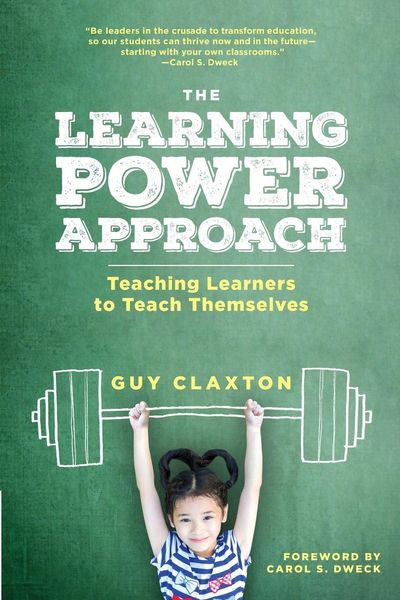
  • Produktbild: The Learning Power Approach
  • Produktbild: The Learning Power Approach

The Learning Power Approach Teaching Learners to Teach Themselves

49,99 €

inkl. gesetzl. MwSt., Versandkostenfrei


Beschreibung

Produktdetails

Einband

Taschenbuch

Erscheinungsdatum

18.10.2017

Verlag

Sage Publications

Seitenzahl

290

Maße (L/B/H)

22,9/15,2/1,6 cm

Gewicht

424 g

Sprache

Englisch

ISBN

978-1-5063-8870-0

Beschreibung

Produktdetails

Einband

Taschenbuch

Erscheinungsdatum

18.10.2017

Verlag

Sage Publications

Seitenzahl

290

Maße (L/B/H)

22,9/15,2/1,6 cm

Gewicht

424 g

Sprache

Englisch

ISBN

978-1-5063-8870-0

Herstelleradresse

Libri GmbH
Europaallee 1
36244 Bad Hersfeld
DE

Email: gpsr@libri.de

Kundinnen und Kunden meinen

0 Bewertungen

Informationen zu Bewertungen

Zur Abgabe einer Bewertung ist eine Anmeldung im Konto notwendig. Die Authentizität der Bewertungen wird von uns nicht überprüft. Wir behalten uns vor, Bewertungstexte, die unseren Richtlinien widersprechen, entsprechend zu kürzen oder zu löschen.

Die Bewertungen sind nach Format, Anzahl Sterne und Datum sortiert.

Verfassen Sie die erste Bewertung zu diesem Artikel

Helfen Sie anderen Kund*innen durch Ihre Meinung

Kundinnen und Kunden meinen

0 Bewertungen filtern

Die Leseprobe wird geladen.
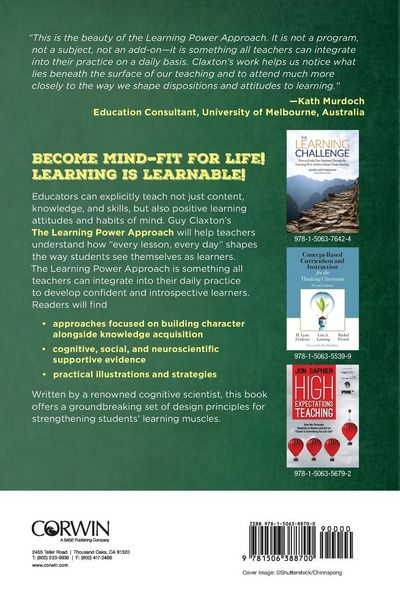
  • Produktbild: The Learning Power Approach
  • Produktbild: The Learning Power Approach
  • Foreword
    Acknowledgments
    About the Author
    Chapter 1. The Origins of the Learning Power Approach
    Nuclear Family
    Godparents
    Friends and Neighbors
    Near Misses
    A Socket Set
    Chapter 2. What Is Learning?
    Why Do We Learn?
    When Do We Learn?
    What Is the Launchpad for Learning?
    What Do Learners Actually Do?
    The Beginnings of Learning Power
    So Can You Get Better at Learning?
    What Kinds of Learning Are Going On in Classrooms?
    Chapter 3. What Exactly Is the Aim of the Learning Power Approach?
    Diving In: The Aim of the Learning Power Approach
    Some Flesh on the Bones
    Chapter 4. How Do I Get Started? Some Quick Wins
    The LPA Menu du Jour
    Curious, Adventurous, Determined, Collaborative: A Starter Kit of Learning Dispositions
    A Reflective Exercise
    Chapter 5. Why Does Learning Power Matter? 10 Good Reasons for Pumping Those Learning Muscles
    1. Because Life Is Complicated
    2. Because Learning Power Makes the World a Safer Place
    3. Because We Won't Always Be There
    4. Because Good Learners Are More Successful in Life
    5. Because Employers Want to Hire Powerful Learners
    6. Because Powerful Learners Do Better in School
    7. Because Powerful Learners Do Better in College
    8. Because It Makes Teaching Easier and More Rewarding
    9. Because People Are Happier When They Are Learning
    10. Because Young People's Mental Health Depends Upon Their Learning Power
    Chapter 6. What Is Learning Power Made Of?
    The Elements of Learning Power
    Chapter 7. Learning Power in Action: Some Classroom Illustrations
    Chapter 8. Design Principles of the LPA Classroom
    1. Create a Feeling of Safety
    2. Distinguish Between Learning Mode and Performance Mode
    3. Organize Compelling Things to Learn
    4. Make Ample Time for Collaboration and Conversation
    5. Create Challenge
    6. Make Difficulty Adjustable
    7. Show the Innards of Learning
    8. Make Use of Protocols, Templates, and Routines
    9. Use the Environment
    10. Develop Craftsmanship
    11. Allow Increasing Amounts of Independence
    12. Give Students More Responsibility
    13. Focus on Improvement, Not Achievement
    14. Lead by Example
    Chapter 9. What Is the Evidence for the Learning Power Approach?
    Does Curiosity Affect Learning?
    What About Concentration?
    Can Learners' Resilience Be Deliberately Increased?
    Does Resilience Contribute to Raising Achievement in School?
    Does Imagination Improve Learning and Creativity, and Can People Get Better at Imagining?
    Do Deliberate Attempts to Teach Students to Think Clearly Work? And Do They Improve School Performance?
    What About Collaboration?
    Does the Same Apply to Empathy?
    Does Reflection Aid Learning?
    Does Learning Power Developed in One Context Transfer to Other Contexts?
    Chapter 10. Distinctions and Misconceptions
    Focus on Learning Power, Not Just Learning
    Learning, Not Thinking
    Learning Dispositions Are Malleable, Not Fixed
    Is the LPA "Traditional" or "Progressive"?
    Evidence, Not Measurement
    Precision About Language
    Learning Muscles and the Mind Gym
    Pedagogy Rules
    It's Not Just Classrooms; It's the Ethos of the Whole School
    Provisional and Growing, Not Set in Stone
    Chapter 11. Joining the Culture Club
    Bibliography and References
    Resources and Further Reading
    Index