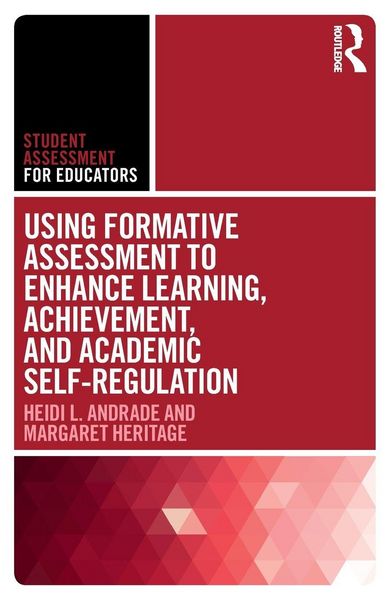
Using Formative Assessment to Enhance Learning, Achievement, and Academic Self-Regulation
-
- Taschenbuch ausgewählt
- eBook
-
Sprache:Englisch
37,99 €
inkl. gesetzl. MwSt.,
Beschreibung
Produktdetails
Einband
Taschenbuch
Erscheinungsdatum
10.07.2017
Abbildungen
7 SW-Abb., 1 SW-Fotos, 6 SW-Zeichn., 12 Tabellen
Verlag
Taylor & FrancisSeitenzahl
142
Maße (L/B/H)
19,8/12,9/0,8 cm
Gewicht
160 g
Sprache
Englisch
ISBN
978-1-138-65303-0
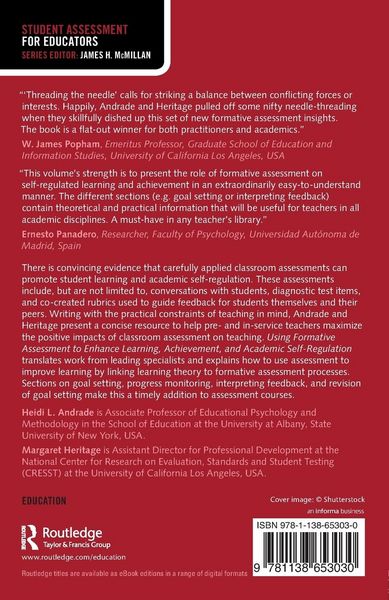
There is convincing evidence that carefully applied classroom assessments can promote student learning and academic self-regulation. These assessments include, but are not limited to, conversations with students, diagnostic test items, and co-created rubrics used to guide feedback for students themselves and their peers. Writing with the practical constraints of teaching in mind, Andrade and Heritage present a concise resource to help pre- and in-service teachers maximize the positive impacts of classroom assessment on teaching. Using Formative Assessment to Enhance Learning, Achievement, and Academic Self-Regulation translates work from leading specialists and explains how to use assessment to improve learning by linking learning theory to formative assessment processes. Sections on goal setting, progress monitoring, interpreting feedback, and revision of goal setting make this a timely addition to assessment courses.
Noch keine Bewertungen vorhanden
Verfassen Sie die erste Bewertung zu diesem Artikel
Helfen Sie anderen Kundinnen und Kunden durch Ihre Meinung.
Kurze Frage zu unserer Seite
Vielen Dank für Ihr Feedback
Wir nutzen Ihr Feedback, um unsere Produktseiten zu verbessern. Bitte haben Sie Verständnis, dass wir Ihnen keine Rückmeldung geben können. Falls Sie Kontakt mit uns aufnehmen möchten, können Sie sich aber gerne an unseren Kund*innenservice wenden.
zum Kundenservice