KI-Beratung Beta

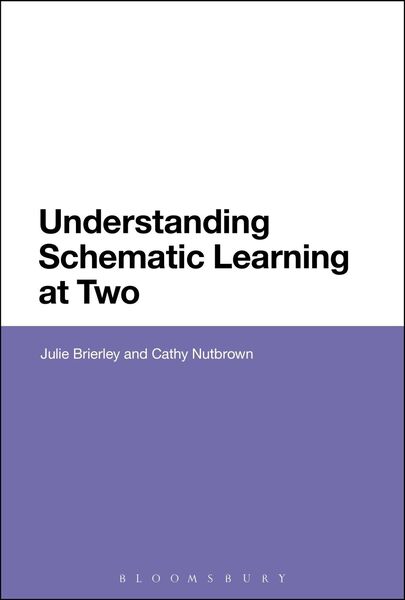
Produktbild: Understanding Schematic Learning at Two

Understanding Schematic Learning at Two

42,20 €

inkl. gesetzl. MwSt.

Beschreibung

Providing a deeper understanding of how two-year-old children learn, Understanding Schematic Learning at Two highlights how a schematic pedagogy can be used to recognise and support two-year-old children's thinking and understanding of the world around them. Over a 16-week period four children's individual...

Beschreibung

Providing a deeper understanding of how two-year-old children learn, Understanding Schematic Learning at Two highlights how a schematic pedagogy can be used to recognise and support two-year-old children's thinking and understanding of the world around them. Over a 16-week period four children's individual experiences and stories are constructed, providing detailed written and photographic evidence of the unfolding schematic learning journeys of each. Following the children from nursery setting to their home environments, readers gain a greater understanding of how, even at such a young age, children are intrinsically motivated to select resources from the environment to support their schematic pursuits. The book focuses on the importance of an appropriate environment and informed pedagogy to support two-year-old children's schematic explorations and the significant role adults play in developing these.
Beginning by highlighting the important links between learning opportunities, environment and the role of the adults, Brierley and Nutbrown briefly trace the origins of schema and provide an overview of some definitions and characteristics of schemas. This leads to an exploration of how the early years landscape has been influenced through a research, practice and government policy initiatives, concluding that future focus must foreground how children learn. Understanding Schematic Learning at Two highlights how recognising and valuing young children's schemas can provide their supportive adults with the opportunity and ability to acknowledge two-year-old children's capability to actively construct and develop an understanding of the world they live in.

Produktdetails

Format

PDF

Kopierschutz

Ja

Family Sharing

Nein

Text-to-Speech

Nein

Produktdetails

Format

PDF

Format

eBooks im PDF-Format haben eine festgelegte Seitengröße und eignen sich daher nur bedingt zum Lesen auf einem tolino eReader oder Smartphone. Für den vollen Lesegenuss empfehlen wir Ihnen bei PDF-eBooks die Verwendung eines Tablets oder Computers.

Kopierschutz

Ja

Kopierschutz

Zum Lesen dieses eBooks auf eReadern außerhalb der tolino Familie sowie am PC benötigen Sie eine Adobe ID. Weitere Hinweise zum Lesen von kopiergeschützten eBooks finden Sie unter Hilfe/Downloads.

Family Sharing

Nein

Family Sharing

Mit Family Sharing können Sie eBooks innerhalb Ihrer Familie (max. sechs Mitglieder im gleichen Haushalt) teilen. Sie entscheiden selbst, welches Buch Sie mit welchem Familienmitglied teilen möchten. Auch das parallele Lesen durch verschiedene Familienmitglieder ist durch Family Sharing möglich. Um eBooks zu teilen oder geteilt zu bekommen, muss jedes Familienmitglied ein Konto bei Thalia oder einem anderen tolino-Buchhändler haben. Weitere Informationen finden Sie unter Hilfe/Family-Sharing.

Text-to-Speech

Nein

Text-to-Speech

Bedeutet Ihnen Stimme mehr als Text? Mit der Funktion Text-to-Speech können Sie sich im tolino webReader und in der aktuellen Thalia – Lesen & Hören App das eBook vorlesen lassen. Weitere Informationen finden Sie unter Hilfe/Text-to-Speech.

Erscheinungsdatum

23.03.2017

Verlag Bloomsbury eBooks UK
Seitenzahl

208 (Printausgabe)

Auflage

1. Auflage

Sprache

Englisch

EAN

9781474257558

Barrierefreiheit
  • keine Information zur Barrierefreiheit bekannt

Noch keine Bewertungen vorhanden

Verfassen Sie die erste Bewertung zu diesem Artikel

Helfen Sie anderen Kundinnen und Kunden durch Ihre Meinung.

Kundinnen und Kunden meinen

Bewertungen (0)

Weitere Artikel finden Sie in

Die Leseprobe wird geladen.
  • Produktbild: Understanding Schematic Learning at Two