Gutscheinbedingungen

**Gültig bis 25.06.2026 auf fremdsprachige Bücher online auf thalia.at und in der Thalia App. Einzelne Artikel können ausgeschlossen sein. Ausgenommen sind preisgebundene Artikel & eBooks. Pro Einkauf einmal einlösbar. Click & Collect nur bei Onlinevorabzahlung möglich. Keine Barauszahlung. Nicht kombinierbar mit anderen Aktionen und Gutscheinen. Gutschein wird auf max. 500€ Bestellwert angerechnet. Nicht gültig für Geschenkkarten, Versandkosten und Services.

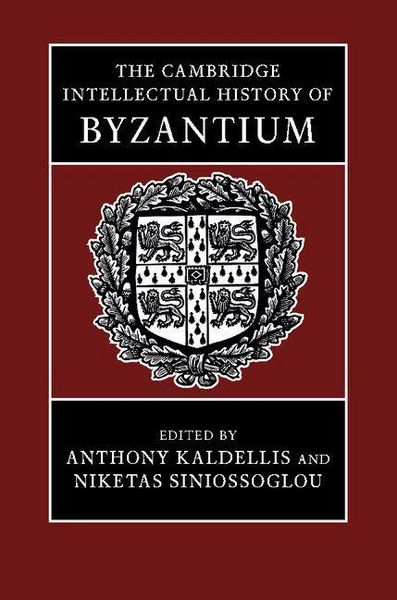
Produktbild: The Cambridge Intellectual History of Byzantium

The Cambridge Intellectual History of Byzantium

239,99 €

inkl. gesetzl. MwSt., Versandkostenfrei


Beschreibung

Produktdetails

Einband

Gebundene Ausgabe

Erscheinungsdatum

12.02.2019

Herausgeber

Kaldellis Anthony + weitere

Verlag

Cambridge Academic

Seitenzahl

800

Maße (L/B/H)

23,5/15,7/4,7 cm

Gewicht

1370 g

Sprache

Englisch

ISBN

978-1-107-04181-3

Beschreibung

Produktdetails

Einband

Gebundene Ausgabe

Erscheinungsdatum

12.02.2019

Herausgeber

Verlag

Cambridge Academic

Seitenzahl

800

Maße (L/B/H)

23,5/15,7/4,7 cm

Gewicht

1370 g

Sprache

Englisch

ISBN

978-1-107-04181-3

Herstelleradresse

Libri GmbH
Europaallee 1
36244 Bad Hersfeld
DE

Email: gpsr@libri.de

Kundinnen und Kunden meinen

0 Bewertungen

Informationen zu Bewertungen

Zur Abgabe einer Bewertung ist eine Anmeldung im Konto notwendig. Die Authentizität der Bewertungen wird von uns nicht überprüft. Wir behalten uns vor, Bewertungstexte, die unseren Richtlinien widersprechen, entsprechend zu kürzen oder zu löschen.

Die Bewertungen sind nach Format, Anzahl Sterne und Datum sortiert.

Verfassen Sie die erste Bewertung zu diesem Artikel

Helfen Sie anderen Kund*innen durch Ihre Meinung

Kundinnen und Kunden meinen

0 Bewertungen filtern

Die Leseprobe wird geladen.
  • Produktbild: The Cambridge Intellectual History of Byzantium
  • Introduction Niketas Siniossoglou and Anthony Kaldellis; Part I. The Transmission of Knowledge: 1. Institutional settings: the court, schools, church, and monasteries Jonathan Harris; 2. Byzantine books Inmaculada Pérez Martín; 3. Questions and answers Stephanos Efthymiades; 4. Classical scholarship: the Byzantine contribution Eleanor Dickey; 5. Intellectual exchanges with the Arab world Dimitris Gutas, Anthony Kaldellis and Brian Long; Part II. Sciences of the Word: 6. Rhetoric and rhetorical theory Stratis Papaioannou; 7. Byzantine literary criticism and the classical heritage Manolis Bourbouhakis; 8. Theories of art Charles Barber; 9. Legal thought Bernard Stolte; Part III. Sciences of the World: 10. Conceptions of science in Byzantium Dominic O'Meara; 11. Astronomy Anne Tihon; 12. Astrology Paul Magdalino; 13. Magic and the occult sciences Richard Greenfield; 14. Alchemy Gerasimos Merianos; 15. Medical thought and practice Timothy S. Miller; Part IV. Philosophy and Theology in Middle Byzantium: 16. Philosophy and 'Byzantine philosophy' Dimitris Gutas and Niketas Siniossoglou; 17. The formation of the Patristic Tradition John A. McGuckin; Section 1. Platonic Themes: 18. The Byzantine reception of Neoplatonism Tuomo Lankila; 19. Platonism from Maximos the Confessor to the Palaiologan period Andrew Louth; 20. Fate, free choice, and divine providence from the Neoplatonists to John of Damascus Ken Parry; Section 2. Aristotelian Themes: 21. Logic in Byzantium Christophe Erismann; 22. The presence of Aristotle in Byzantine theology David Bradshaw; 23. Reading and commenting on Aristotle Michele Trizio; Section 3. Individuals in Context: 24. Maximos the Confessor Phil Booth; 25. John of Damascus' philosophy of the individual and the theology of icons Anna Zhyrkova; 26. Michael Psellos David Jenkins; 27. Trials of philosophers and theologians under the Komnenoi Michele Trizio; Part V. Philosophy and Theology in Late Byzantium: 28. Theological debates with the West, 1054-1300 Tia Kolbaba; 29. The Hesychast controversy Norman Russell; 30. Orthodox mystical theology and its intellectual roots Andrew Louth; 31. Kabbalah in Byzantium Moshe Idel; 32. Aquinas in Byzantium Marcus Plested; 33. Theology, philosophy, and politics at Ferrara-Florence Marie-Hélène Blanchet; Part VI. Politics and History: 34. Basileia: the idea of monarchy in Byzantium, 600-1200 Paul Magdalino; 35. Historiography as political debate Dimitris Krallis; 36. Theories of decline from Metochites to Ibn Khaldun Teresa Shawcross; 37. Plethon, Scholarios, and the late Byzantine state of emergency Niketas Siniossoglou; 38. The Byzantine legacy in early modern political thought Paschalis M. Kitromilides; Bibliography; Index of names; Subject index.